When it comes to Brazil, people often have a lot to say. Brazil has great football, and its coffee is among the world’s top-producing countries. Its beans have mild acidity and a smooth, easy-drinking flavor. Brazilian beans are often used in blends to make espresso, offering a light acidity with nutty notes and a long finish. Today, let’s talk about the Brazilian coffee-growing region.
Brazil is known as the kingdom of coffee and is the world’s largest producer and exporter, accounting for over 30% of global coffee production—about one-sixth of the world’s coffee is grown here. Brazil is also the second-largest coffee-consuming country after the United States. Around 300,000 farmers are engaged in coffee cultivation, but coffee is mainly grown in the southern regions of Brazil. Compared to other Central and South American coffee-producing countries, most of Brazil’s coffee is planted on flat land, at significantly lower altitudes, generally around 600–1,000 meters. Even in regions like Sul de Minas, Cerrado, and Mogiana, elevations rarely exceed 1,300 meters. This is why Brazilian beans are generally softer in texture—they lack the hardness and intense acidity of high-altitude coffee. As a result, most Brazilian beans are medium in acidity, with a smooth and mild taste, good body, and ample sweetness. Even when blended with other beans, their flavor profile remains relatively consistent.
An Introduction to Brazilian Coffee-Growing Regions
Brazil has 26 states, 17 of which produce coffee, but seven of them account for the majority of production, contributing 98% of the national total.
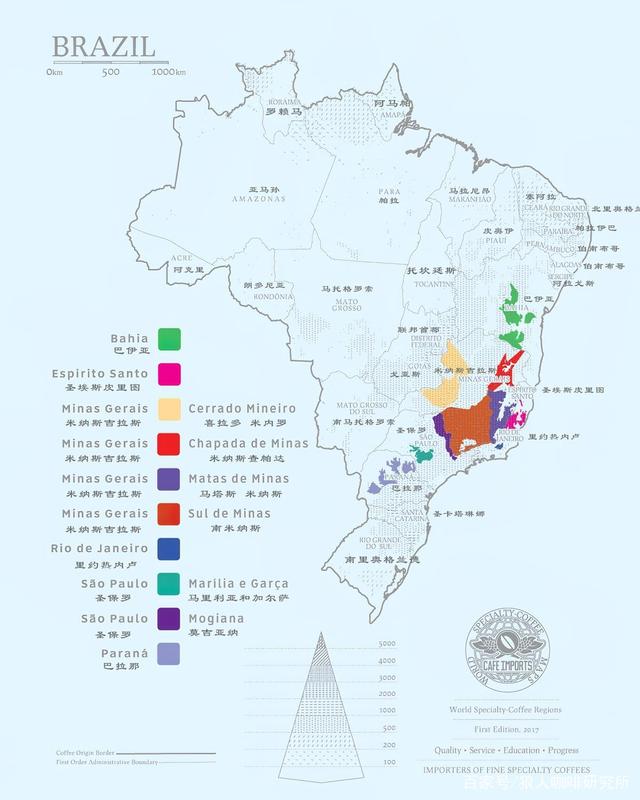
São Paulo State (Mogiana, Centro-Oeste)
Paraná State (Norte Pionerio do Paraná)
Bahia State (Planalto da Bahia, Cerrado da Bahia, Atlantico Baiano)
Espírito Santo State (Montanhas do Espírito Santo, Conilon Capixaba)
Minas Gerais State (Sul de Minas, Cerrado Mineiro, Chapada de Minas, Matas de Minas)
Rondônia State
Rio de Janeiro State
Among these, the states of Paraná, São Paulo, Minas Gerais, and Espírito Santo account for 80% of total production, with Minas Gerais alone producing an astonishing 30%. The well-known Santos and Mogiana varieties come from São Paulo, while Minas Gerais’s Cerrado and Sul de Minas produce high-quality Brazilian beans due to their higher altitudes. Cerrado is located in the western part of Minas Gerais, a flat plateau with elevations between 750m and 1,200m.
⟦NL"https://v3.coffeecdn.cn/uploadfile/ueditor/image/202407/17204959384b0095.jpg" width="600" title="Brazil Coffee 2679" alt="Brazil Coffee 2679"/>
São Paulo State – Mogiana
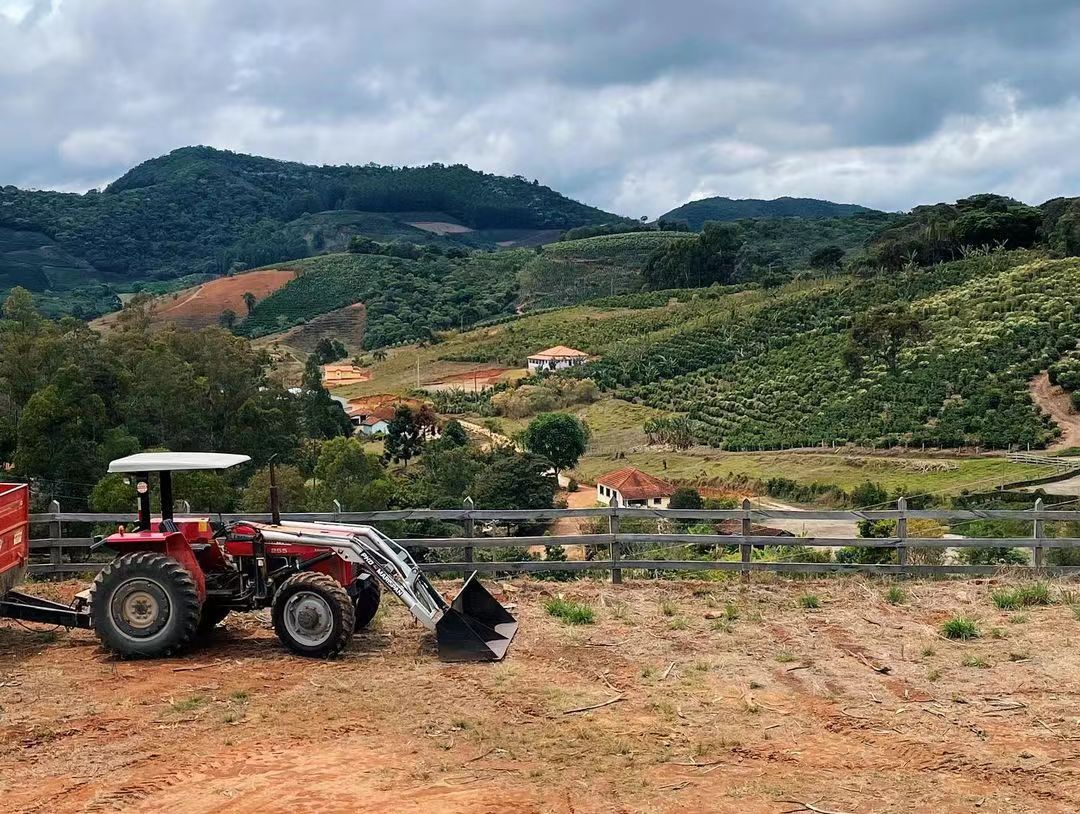
This area is very close to the southern part of Minas. Coffee is grown among shrubs, grasslands, and other vegetation. There are many farming families in this region, some operating in traditional large-scale farm models, while others run small-scale modern operations. The combination of modern technology with mountainous coffee-growing traditions produces high-quality green coffee beans.
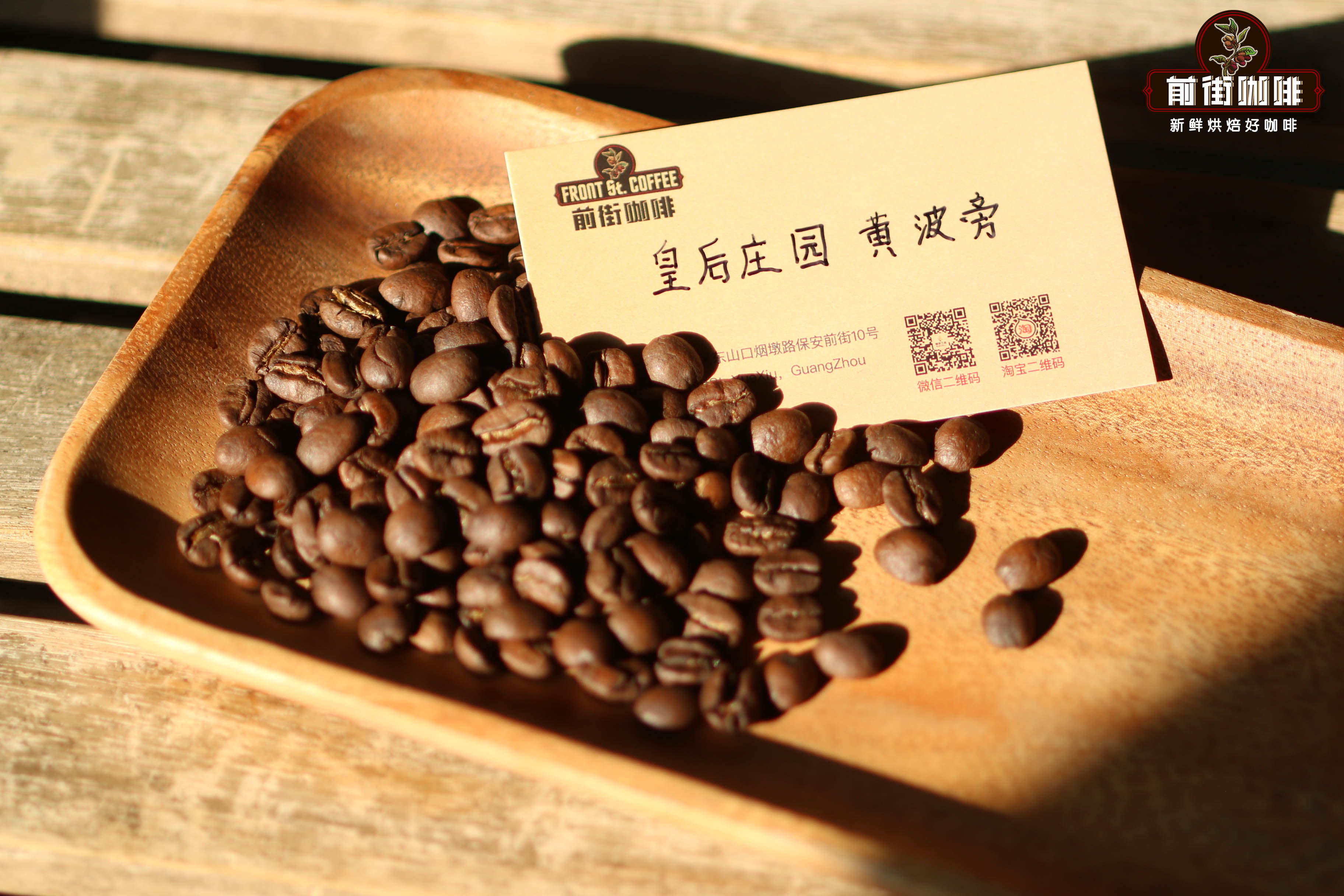
São Paulo State includes the well-known Brazilian coffee region of Mogiana, whose name comes from the Mogiana Railroad Company, the firm that built the “Coffee Railway” in 1883. This also led to better transportation and further expansion of coffee production. The Mogiana region sits at an altitude of 900–1100 meters, with an average annual temperature of around 20°C. Its hilly terrain gives the coffee good sweetness and balance, and due to the terrain, harvesting is mostly done manually. The Queen Estate coffee on the Front Street bean list comes from Mogiana—sweet, clean, well-balanced, with tropical fruit notes.
Central-West / Central-West
In this region, coffee is generally grown on large estates using traditional production lines. Although production may seem to be decreasing, there is a greater focus on producing higher-quality green beans.
About Brazilian Santos
Santos coffee has a mellow, neutral flavor, suitable for single-origin drinking, and also works well in blended coffee. Santos doesn’t have particularly outstanding advantages, but it also lacks obvious flaws. It has a mild and smooth taste, low acidity, moderate body, and a faint sweetness. The subtle blend of these soft flavors makes it a true test for the palate—this is also why many Santos fans love this coffee.
Santos coffee grows in the São Paulo area and is named after the export port of Santos. It is a descendant of Arabica trees brought from the Bourbon Island in the 18th century, belonging to the Bourbon variety (var. Bourbon). Before reaching three to four years of age, Bourbon coffee trees produce small, twisted beans known as “Bourbon Santos,” which are a higher-grade Brazilian bean, often simply called “Brazil” in coffee shops. After three or four years, Bourbon coffee trees only produce large, flat beans called “Flat Bean Santos,” which have a mild flavor and lower price.
Paraná State (Northern Pioneer Region of Paraná)
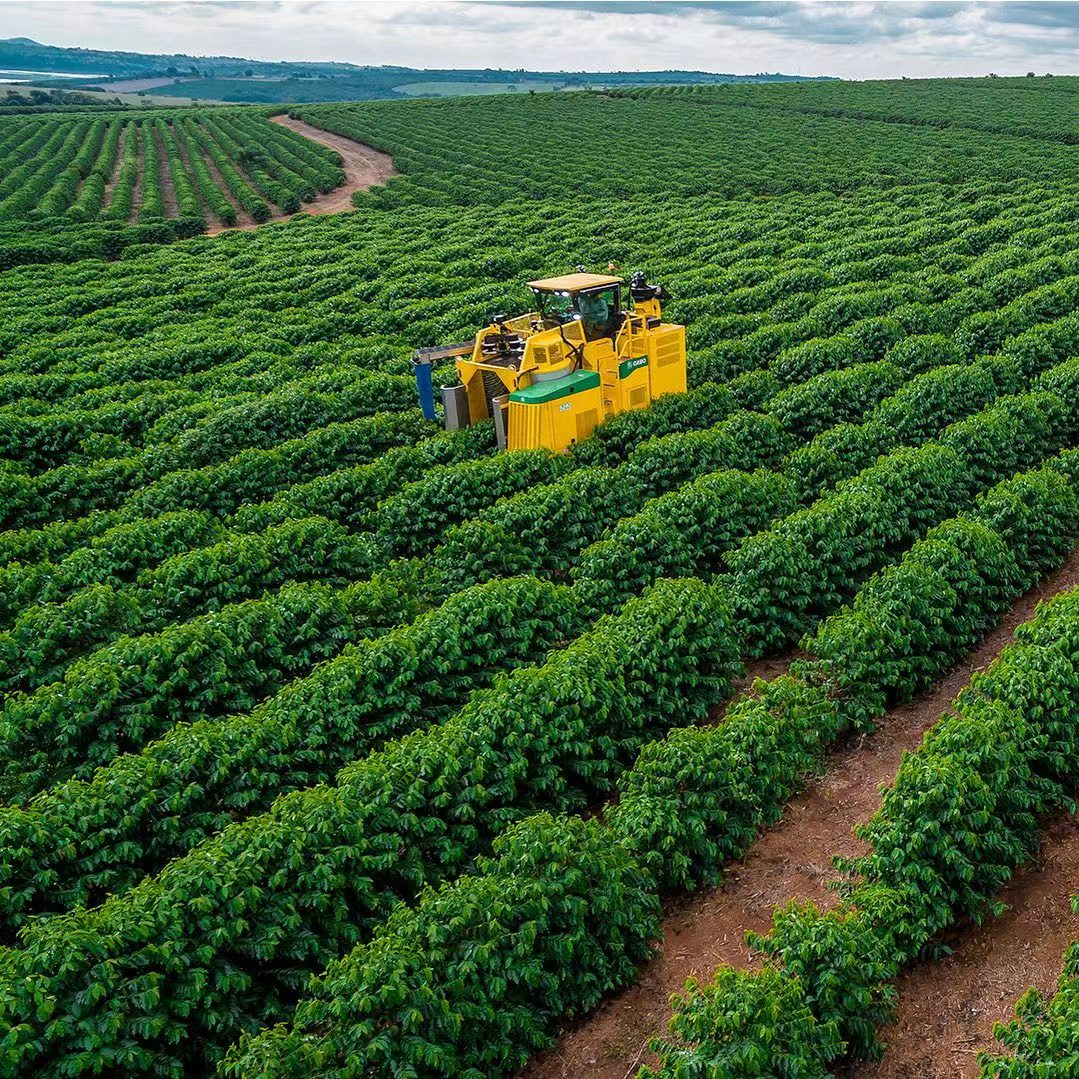
This state was once Brazil’s largest coffee-producing region and now features its own unique production technologies. After discovering a decline in yield per unit of coffee plantations, producers in Paraná created a new “closed planting system.” Currently, a large number of coffee trees allow seedlings per hectare to better withstand cold winds while ensuring more regular yields.
⟦NL"https://v3.coffeecdn.cn/uploadfile/ueditor/image/202407/17204961390fe89e.jpg" width="600" title="Brazilian Coffee 2675" alt="Brazilian Coffee 2675" style="text-wrap: wrap;"/>Cerrado / Cerrado MineiroCoffee cultivation in Cerrado (also known as Savanna) represents a triumph of Brazilian coffee technology. An increasing number of large-scale coffee farms in Cerrado utilize high-tech production methods, a practice rare in most regions. The plateau climate features distinct seasons, ensuring stable fruit ripening with absolutely no rain during harvest season. Savanna coffees are generally processed using the natural method, which also aligns with current processing trends.
Chapada de Minas / Chapada de MinasLocated in the northern part of Minas Gerais, it covers a very small area but produces green beans of world-class quality. Matas de Minas / Matas de Minas
An extremely large region with highly diverse ecosystems, it is also Brazil’s oldest coffee-growing area. Its highest-altitude zones are the best for coffee processing.
This region mainly produces Robusta coffee.
Rio de Janeiro / Rio de Janeiro Primarily grows Arabica. Compared to other producing regions, it has the advantage of excellent port transportation infrastructure.
Brazilian Coffee Varieties
Brazil currently focuses on Red Bourbon, Yellow Bourbon, Mundo Novo, and Catuai as its main varieties. Cultivars such as Caturra, Acaia, Obatã, Aramosa, and Bourbon Pointu are also grown and researched. The Campinas Agricultural Institute in São Paulo is Brazil’s renowned hub for coffee variety improvement, and the world’s most widely planted Catimor is the result of joint efforts by Portuguese and Brazilian scientists.
Brazilian Green Coffee Processing Methods
Due to its vast territory and massive production, Brazil has long relied primarily on the natural (dry) method for processing. The washed method cannot support such large-scale coffee bean production, which has also contributed to the industry’s longstanding perception of Brazilian coffee as being crudely made (though this does not mean all Brazilian coffee is cheap—coffee from famous estates can be of very high quality).

After 1990, Brazil promoted the pulped natural method (also called semi-washed), which involves removing defective and floating beans via water tanks, then using machines to strip the skin, pulp, and part of the mucilage before washing and finally drying the beans either in the sun or in drying rooms. Compared to the washed method, the pulped natural method saves water and labor, leading to a significant leap in the quality of Brazilian coffee and reversing years of criticism about its coarse natural processing.
Brazilian Coffee Grading System Due to its massive production and numerous producing regions, grading Brazilian coffee is quite complex, and a single grading standard is unsuitable. As a result, Brazilian coffee employs multiple grading methods, incorporating factors such as defect ratio, bean size, and cupping flavor. Local graders use a “deduction” system to assign grades. A 300g sample of green beans is evaluated for defect ratio to determine the grade.

For example, the bag of Brazilian Cerrado green coffee purchased by Nanchang Bean lists “Brazil NY.2SC – 17/18 FC Cerrado,” indicating it is from Brazil’s Cerrado region, with bean size between 17–18 mesh (1 mesh = 1/24 inch), SC standing for Strictly Soft (indicating very smooth taste), FC for Fine Cup (indicating high cupping quality), and the defect rate grade being NY.2.Defect Grading Method: NY.2 refers to the New York grading standard, where defect ratios are categorized as NY2, NY2/3, NY3, NY3/4… The smaller the number, the lower the defect ratio and the higher the grade. Batches with deductions under 4 points fall under NY2, the highest grade. Since NY.1 means zero defects, such meticulously selected batches cannot be stably supplied, so Brazil designates NY.2 as the top grade.Bean Size: 17/18 means the green beans are sized between 17–18 mesh.Flavor and taste also have corresponding standards: based on cupping, various descriptors are used—Strictly Soft, Soft, Softish, Hard, Rioy. SC (Strictly Soft) indicates the best, smoothest taste. Cupping flavors are divided into Fine Cup, Good Cup, Fair Cup, Poor Cup, and Bad Cup, with Fine Cup being the highest quality, followed by Good Cup.
Flavor Characteristics of Brazilian Coffee Beans
Specialty-grade Brazilian coffee beans are characterized by low acidity and high body. After roasting, they exhibit flavors of nuts, cocoa, chocolate, and toast, with a smooth, balanced, and clean taste. As a result, they are often used in espresso blends to provide a mellow, balancing effect.
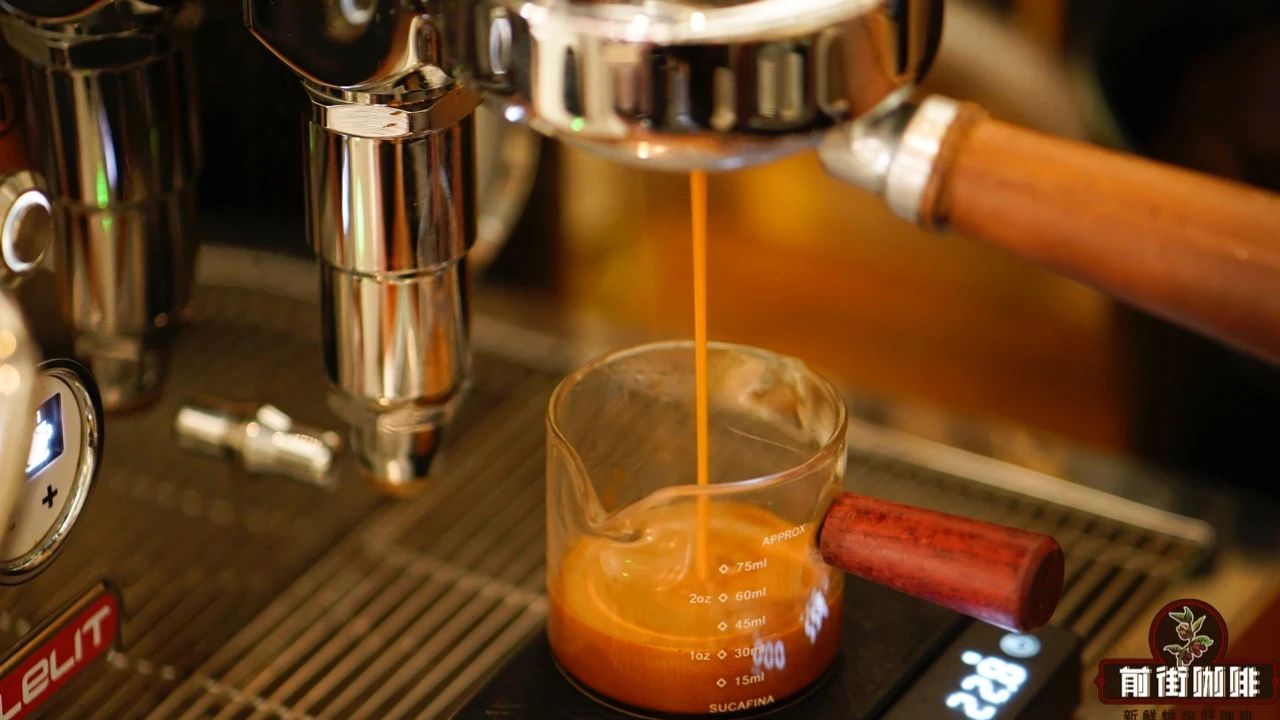 Front Street’s coffee menu includes four espresso beans, three of which are based on Brazilian coffee blends, resulting in espresso shots rich in golden crema and intense roasted hazelnut aroma. When brewed as Americano, it is rich and mellow, and when combined with milk to make latte, it presents a creamy, silky texture.