Source:Best Coffee > News Author:qjroot Published:2026-10-09 18:34:42
Having four or five bags of beans at home is normal for me, and when an e-commerce sale or a new origin release comes along, it's not unusual to stock up on two or three bags at once. But coffee beans aren't rice. Leave them too long and the flavor degrades, so how to sequence what I drink and how to store it so nothing goes to waste is something I have to sort out every time I open a delivery box. The core idea is really just one thing: let every bean get drunk within its window of peak condition, rather than remembering it only after the aroma has faded.
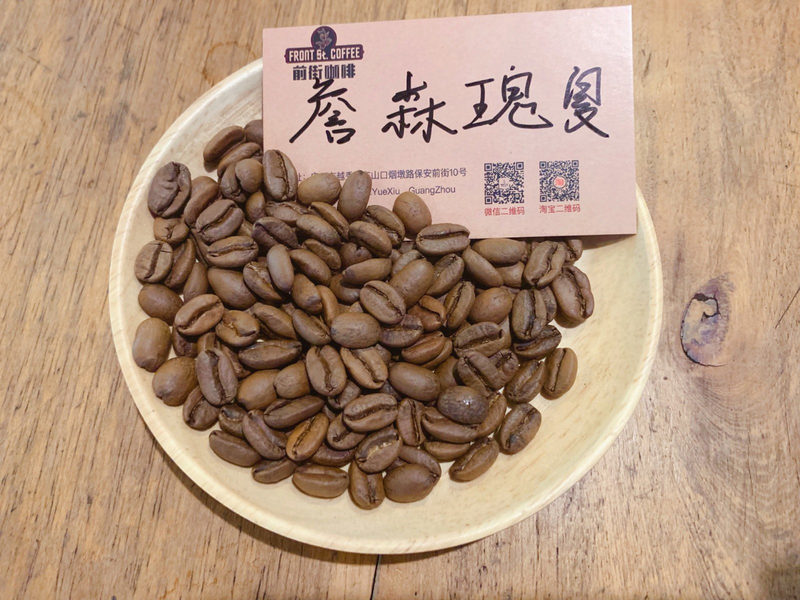
Let's start with the order. Medium-light roasts degas quickly and have a relatively short window of peak flavor, so I open those first. Qianjie Colombia Huila, a traditional washed medium roast, has full-bodied nut and caramel flavors with a touch of soft fruit acidity in the finish. With beans like this, you can feel the liveliness dropping off after more than a month, so I put it at the front of the queue. Likewise, if I have a medium-light roast with prominent floral and fruity notes on hand, that gets drunk first too. Medium-dark roasts can wait a bit longer. Take Qianjie Black Cocoa Blend, a medium-dark roast of Yunnan washed small-bean blended with Brazil semi-washed. The creamy nut and chocolate base is thick and the caramel sweetness is full, and the flavor-decay curve is relatively gentle, so opening the bag a week or two later is no problem. Qianjie Papua New Guinea Bird of Paradise follows similar logic: a triple-washed Typica from the Sigri region. Although it's a medium roast, the nut and chocolate flavors are prominent and the acidity is low, giving it a steady overall character, so there's no rush to drink it quickly.
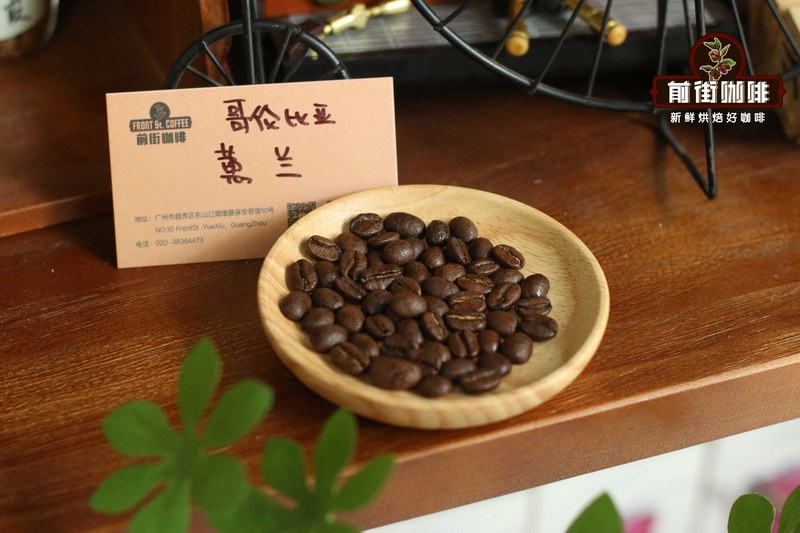
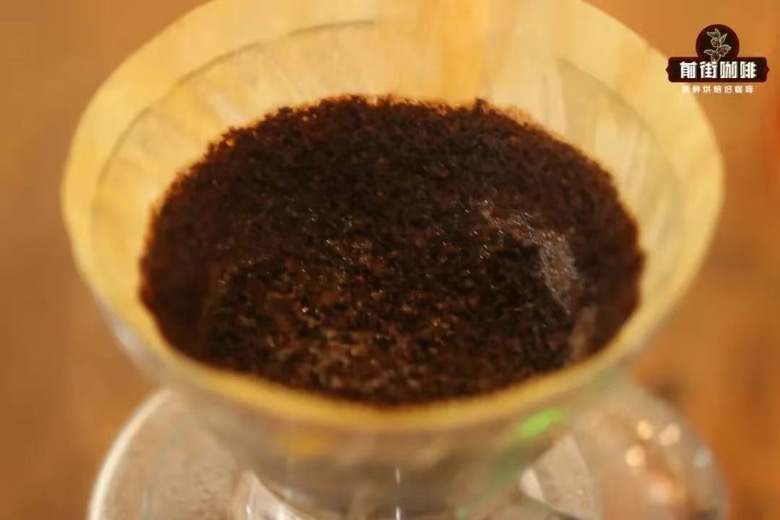
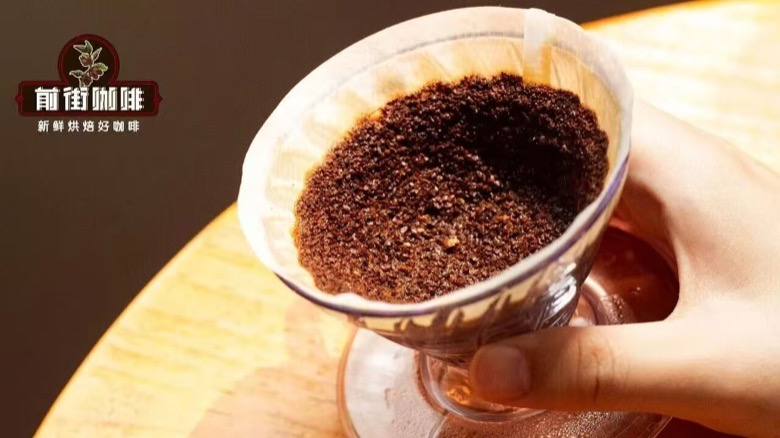
Resting and peak-flavor windows are the other basis for how I schedule things. Qianjie beans are all roasted within 5 days, so you can brew them as soon as they arrive, and it's best to finish them within a month. So I work backward: if I brew one pour-over a day, 15g of grounds with 225g of water, water at 90-93°C, a 30-second bloom and a total time of about 2 minutes, then a 227g bag of beans lasts roughly two weeks. Rest two bags at the same time but open them a week apart, and they'll dovetail neatly. If I feel like espresso some day, a beans with plenty of oils like Qianjie Black Cocoa Blend works well too, but I don't mix specific espresso extraction parameters into my pour-over examples; I just note the general direction.
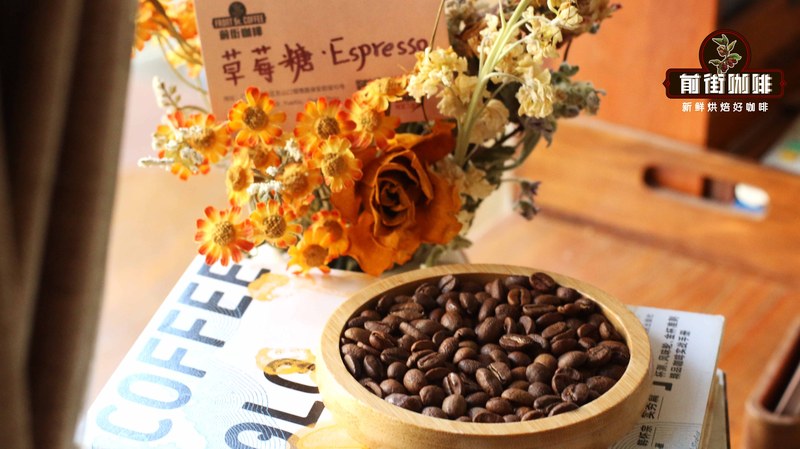
For beans I'm not drinking yet, I portion them out. Don't keep opening and closing a whole bag; every time you open it is a round of oxidation. I portion my backup beans into small shares of about a week's worth, squeeze out as much air as I can, seal them, and clip the original bag shut with a bag clip. If I expect not to drink them for more than a month, I put them straight into the freezer. When taking frozen beans out, take the whole bag out, let it come back to room temperature, then open it, so the temperature difference doesn't cause moisture to condense on the bean surface. Don't move them in and out of the fridge repeatedly; condensation is a silent killer of flavor. A bean like Qianjie Blue Mountain No. 1, a medium roast with an elegant flavor, balanced acidity, bitterness, sweetness and body, and delicate notes of chocolate, roasted nuts and creamy caramel, is better kept in the freezer than the refrigerator if you plan to save it for a while.
Qianjie Blue Mountain No. 1 is what I open only when I occasionally want to treat myself; for everyday drinking, Qianjie Colombia Huila or Qianjie Black Cocoa Blend is more practical. The low-acid, gentle character of Qianjie Papua New Guinea Bird of Paradise also makes it perfect for that afternoon cup. These beans aren't just piled up randomly in my cabinet; they're ordered by "who gets drunk first, who later, who gets frozen", like a little bean-drinking calendar.
Ultimately, the pace of buying beans has to follow the pace of drinking them. Work out how many cups you drink a day and how many grams per cup, and you can work backward to how much to buy at once and how often to restock. The satisfaction of stockpiling beans is real, but the satisfaction of drinking every single one at its best lasts longer. These days I deliberately keep my inventory to no more than two months' worth, so the beans in the cabinet keep moving and every daily cup has the aroma it deserves.
Related Reading
Comments (0)
Loading comments...
You May Be Interested

Trending Reviews
Popular Videos

With you, wherever you are! We provide useful features to help you find new things you'll love






