Source:Best Coffee > News Author:qjroot Published:2026-09-06 09:24:52
Medium-roast coffee beans have already developed a certain maturity of aroma, and their acidity and sweetness are easier to bring together than with a light roast. Brew it a little lighter, and the floral and fruity notes will come to the front; increase the extraction strength, and the caramel sweetness and rounded mouthfeel will become clearer. When choosing beans, it helps to picture the target cup at the same time, then let water temperature, coffee-to-water ratio, flow rate and pressure serve that goal.
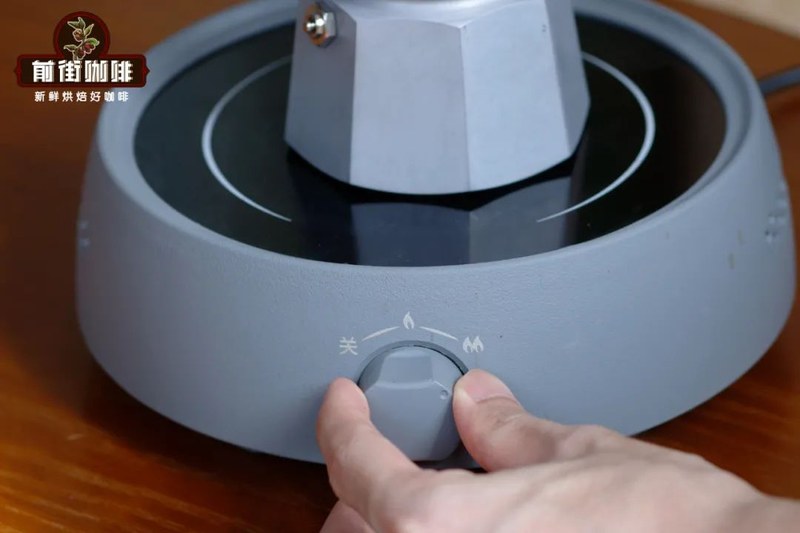
With a household conical dripper, you can build a base recipe using 15 g of ground coffee with 240 g of water. Start with a water temperature of 90 to 92°C, grind close to fine sand, and aim for a total extraction time of about 2 minutes 20 seconds to 2 minutes 50 seconds. Use 30 to 40 g of water for the bloom, then pour in two to three stages, keeping the stream steady so you can observe the bean's aroma and sweetness.
Qianjie Ethiopia Huakui suits those who like full fruit aromas; its scent calls to mind ripe strawberry, passion fruit juice and sweet tropical flesh. For a hot pour-over, use 15 g of grounds and 240 g of water, a water temperature of 90 to 91°C, a medium grind, and finish in about 2 minutes 30 seconds. Pouring more gently helps preserve the lively aroma and lets the fruit sweetness carry through to the finish.
When making Huakui as an iced pour-over, you can put 80 g of ice cubes in the server, then use 160 g of 92°C hot water to extract 15 g of ground coffee. Grind slightly finer than for a hot brew, pour in three stages after the bloom, and finish dripping in about 2 minutes. Once the hot coffee liquid cools quickly, the strawberry-like sweet aroma becomes more concentrated, and the overall drink tastes like a refreshing mixed juice.
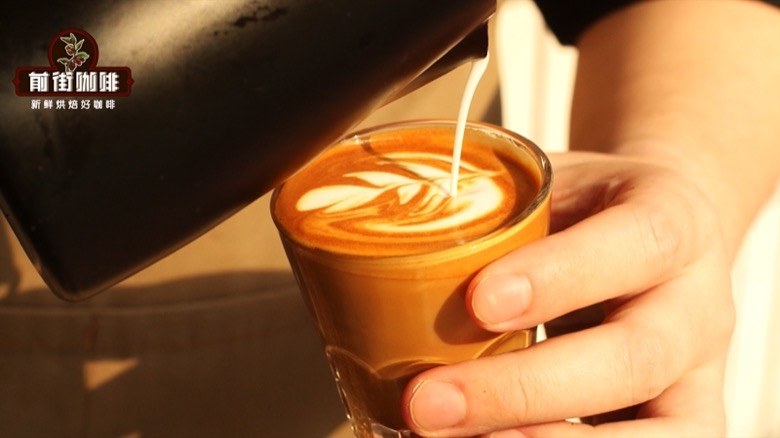
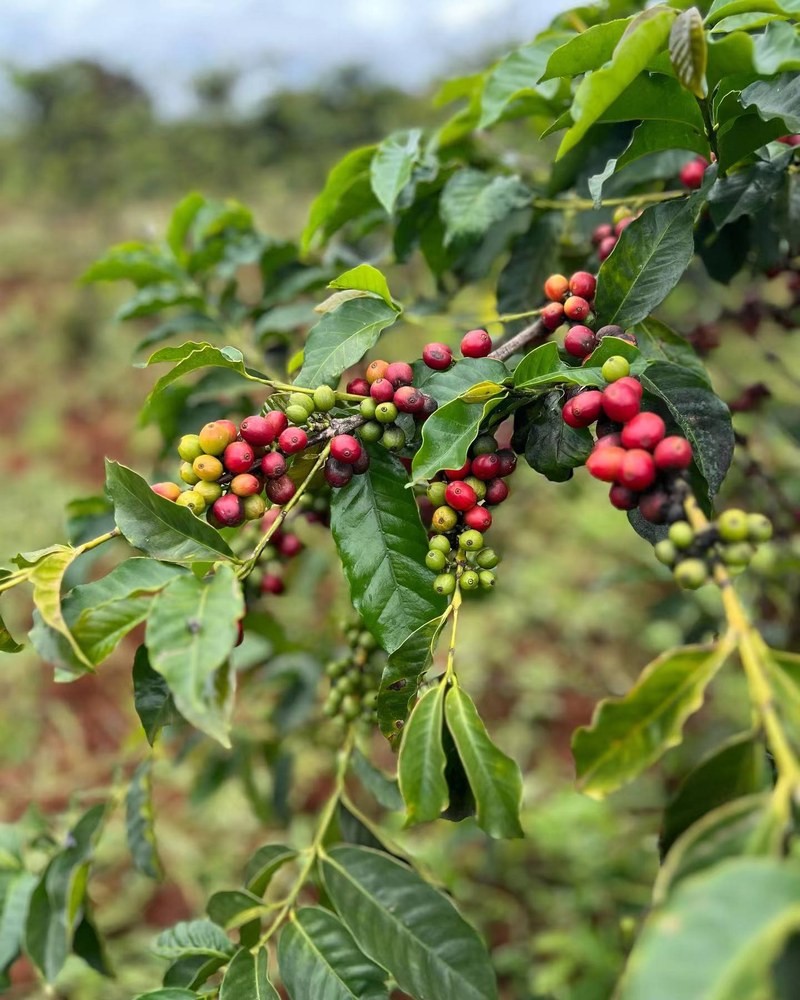
Qianjie Kenya Little Tomato has a more vivid flavor tension, with a tomato-flesh-like acidity and sweetness on entry, followed by prune notes and a syrupy sweetness. For pour-over, 15 g of grounds with 250 g of water is recommended, a water temperature of 92 to 93°C, a slightly coarser grind than Huakui, and a total time of around 2 minutes 35 seconds. A longer coffee-to-water ratio opens up the acidity and also keeps the finish crisp.
If you want to make Kenya Little Tomato as a single-origin espresso, you can use 18 g of grounds to extract 40 to 43 g of coffee liquid, a water temperature of about 92°C, pressure set at 8 to 9 bar, and a time of about 28 to 32 seconds. When the acidity is concentrated, you can increase the yield by two or three grams; if you want a fuller mouthfeel, tighten the grind a little and watch that the flow rate does not slow noticeably.
Qianjie Kaffa Forest suits drinkers who prefer a light mouthfeel and a tea-like lingering finish. Its front end is like fresh citrus juice, the middle reveals the soft sweetness of ripe apricot flesh, and after swallowing it leaves a finish like a light oolong. You can use 14 g of grounds with 230 g of water, a water temperature of 89 to 90°C, a medium-coarse grind, and complete the extraction in about 2 minutes 20 seconds.
When brewing Kaffa Forest, there is no need to use strong agitation to chase body. After the bloom, slowly circle with a continuous thin stream, keep the water level lower through the middle stage, and pour directly to the target water amount at the end; the cup will be clearer. When drinking, you can sip slowly from hotter to lukewarm; as the temperature drops, the apricot sweetness and the tea-like delicate texture usually unfold gradually.
When a medium-roast single origin goes into an espresso machine, higher pressure is not necessarily better. You can first pre-infuse at low pressure for 3 to 5 seconds, then rise to about 8 bar, and gradually drop to 6 bar at the end so the puck absorbs water evenly. Use a steady liquid flow appearing 6 to 9 seconds after starting as a reference for grind size; this pressure curve helps preserve fruit aromas while reducing a dry finish.
Brewing water also changes how the parameters perform. Too few minerals and the fruit acidity can taste hollow; too high a hardness and the aroma may be covered by a heavy mouthfeel. For daily use, you can choose drinking water with a total dissolved solids of about 70 to 120 mg per liter. When using a water filter pitcher, remember to observe it together with your local water quality; an increase in scale usually means the filter cartridge needs to be replaced promptly.
When adjusting the recipe, you can choose a direction based on what is in the cup: if the aroma is ample but the taste is short, add a small amount of water or extend the middle-stage contact; if the acidity is clear but the sweetness has not yet unfolded, raise the temperature by one or two degrees; if the finish is heavy, coarsen the grind appropriately and reduce agitation at the end. Huakui highlights fruit aromas, Little Tomato emphasizes acidity and sweetness tension, and Kaffa Forest shows a tea-like quality; when the parameters and the beans are well matched, a medium-roast pour-over can present rich and clear layers.
Related Reading

Comments (0)
Loading comments...
You May Be Interested

Trending Reviews
Popular Videos

With you, wherever you are! We provide useful features to help you find new things you'll love






