Source:Best Coffee > News Author:qjroot Published:2022-02-24 14:29:44
Many well-known coffee-producing countries are members of the International Coffee Organization (ICO), including major players such as Brazil, Vietnam, Colombia, and Ethiopia. The ICO is a leading international intergovernmental organization for coffee, with a membership comprising both exporting and importing countries, working through international cooperation to address challenges facing the global coffee industry.
However, Uganda, the world’s eighth-largest coffee producer and fourth-largest producer of Robusta, withdrew from the International Coffee Organization (ICO) starting February 2 of this year. In fact, Uganda had already expressed its intention to leave the ICO as early as September last year.
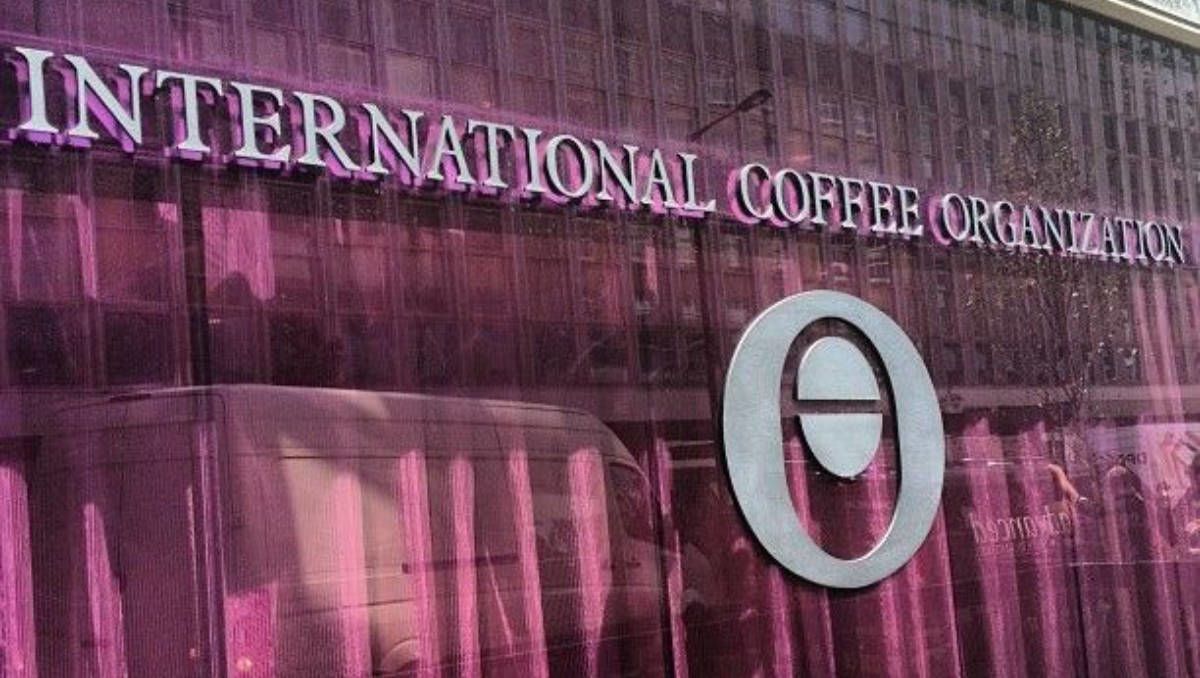
Uganda is the third country to withdraw from the ICO in recent years. In 2018, the United States, a major financial partner of the ICO, withdrew under the Trump administration. In 2020, Guatemala, another major coffee-producing country, also left the ICO.
Uganda’s withdrawal from the ICO is now final. As of February 1, 2022, the Uganda Coffee Development Authority (UCDA) is no longer authorized to issue ICO origin certificates, and any ICO origin certificates issued after that date are considered invalid.
Local Ugandan media outlet ChimpReports commented on UCDA’s exit from the ICO, stating that the ICO, established in 1963, was not designed to promote coffee trade but rather to control global coffee prices and production activities. As a producing country, Uganda has no seat at the table of global decision-makers.
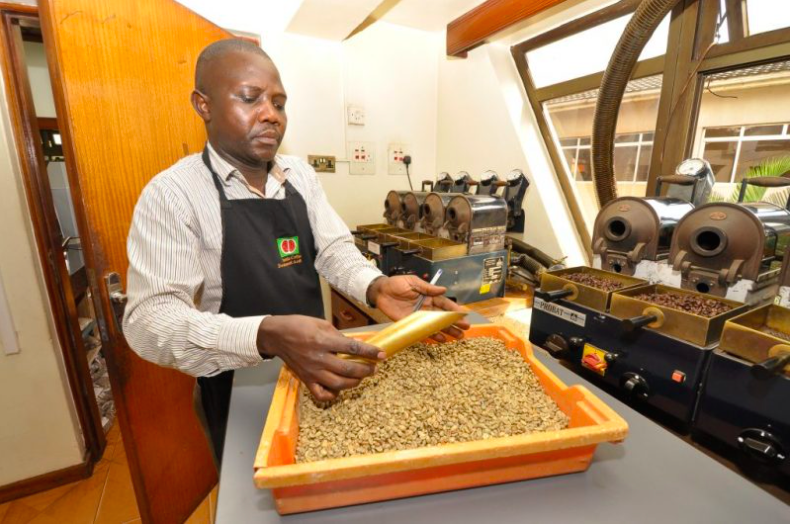
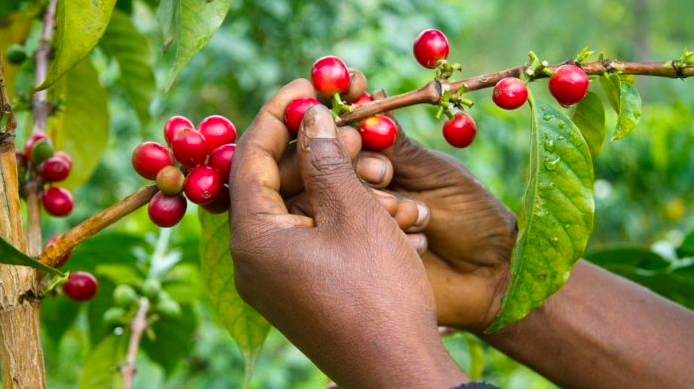
Coffee is currently Uganda’s second-largest source of foreign exchange earnings, after gold. Even though coffee is key to Uganda’s transition to a middle-income economy, it won’t help unless the dynamics of Uganda’s coffee trade are changed to increase the value of Ugandan coffee and make it competitive in the global market. Coffee roasting is the missing link in Uganda’s coffee trade.
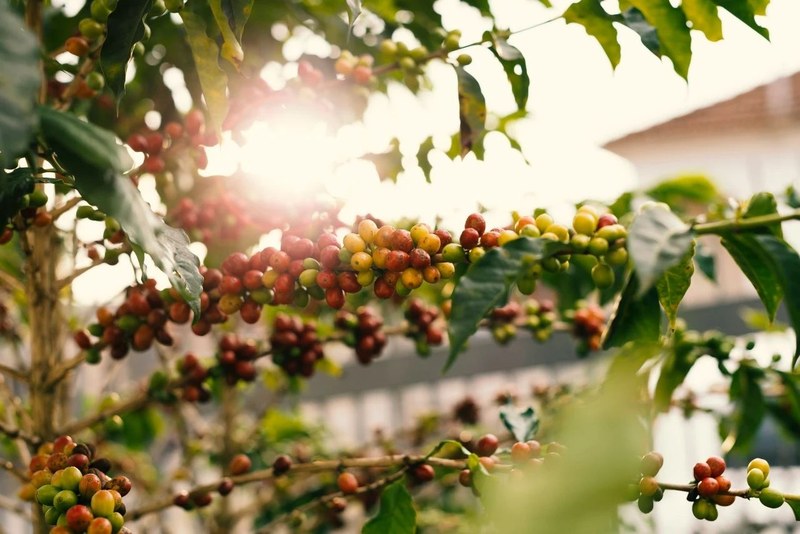
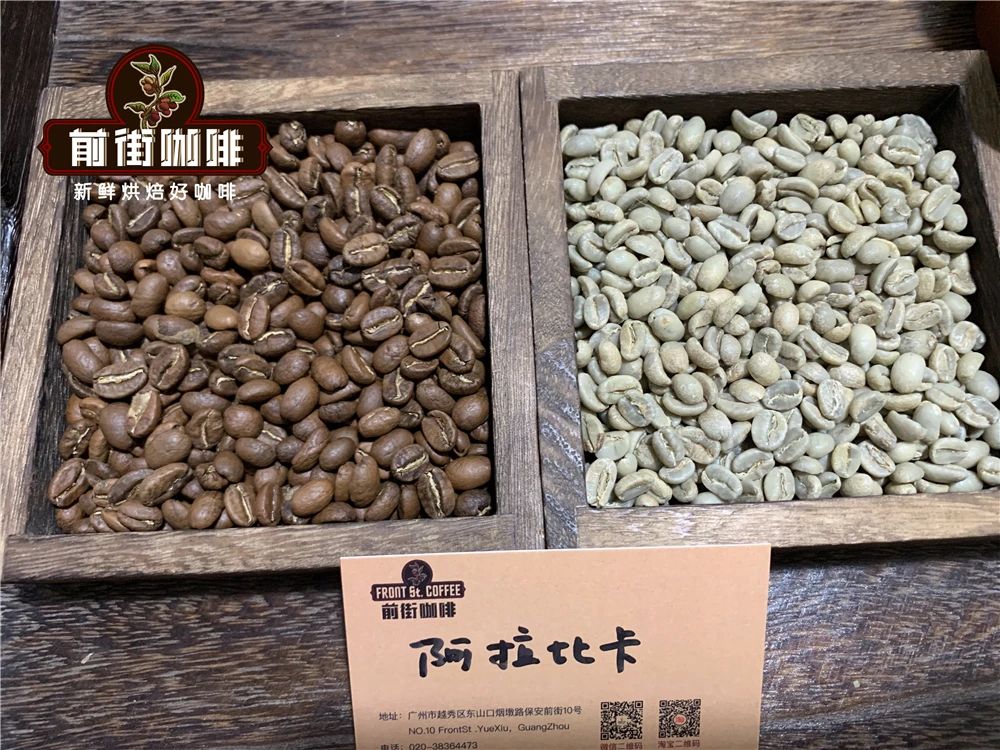
As a raw material, green coffee beans are typically sold by producers at low prices. After roasting, the beans are sold at a much higher price to downstream consumers. Throughout this supply chain, the producers at the very top receive the least benefit.
Uganda is not alone—many coffee-producing countries, especially in Africa, face the same issue. Due to policies in certain regions, such as the European Union, many African countries are forced to sell unroasted green coffee beans to avoid a 7.5% tariff, thereby stifling local industrial development and negatively impacting the economies of several African nations.
Related Reading





Comments (0)
Loading comments...
You May Be Interested




Trending Reviews
Popular Videos

With you, wherever you are! We provide useful features to help you find new things you'll love






