Source:Best Coffee > News Author:qjroot Published:2026-09-24 17:39:32
Sweating profusely, you push open the door, pour a glass of ice-cold cold brew from the fridge, and gulp it down - your mouth fills with a clear, sweet fruity taste, a kind of refreshment that is hard to put into words. Many people think making cold brew is just tossing coffee grounds into cold water and letting it sit. In fact, to make a cup of iced coffee that is full of sweetness and completely free of rough astringency, the key lies in the balance between extraction yield and concentration. Once you understand them, you can easily make good flavors.
The flavor compounds in coffee are dissolved by water in batches. High temperatures accelerate dissolution, and burnt bitterness and astringency are easily drawn out; cold water soaking slows the release of aromatic molecules, and tannic acid is almost insoluble at low temperatures, so it naturally avoids sharp acidity and bitterness. Water temperature lowers the extraction yield, so we need to extend the soaking time, giving the water molecules ample time to slowly wrap around and draw out those alluring clear sweetness and fruity notes in the coffee beans.
Concentration refers to how much flavor solid is dissolved in the entire cup of coffee, while extraction yield is how much of the coffee bean's inner content has actually been pulled out. If it tastes very watery and the flavor feels fleeting, it is often because the coffee-to-water ratio is too wide or the extraction is insufficient; if the mouthfeel is too heavy or even dry and astringent, it means the grind is too fine, causing localized over-extraction. Grind size determines the contact area between grounds and water, and it is also the core dial we use to adjust how smooth the whole cup of coffee is.
When exploring a new bean, you can also first use classic pour-over to get a baseline: weigh 15g of grounds, pour 225ml of hot water at a 1:15 coffee-to-water ratio, first bloom with 30ml of water for 30 seconds, then pour in stages, keeping the total time at around 2 minutes, for example finishing the drip at 2 minutes 05 seconds. This lets you clearly perceive the bean's essential sweetness and acidic aroma, and then use that as a baseline to decide whether to push for higher concentration or a cleaner, lighter cold brew.

When making cold brew with the same bag of beans, small adjustments can bring surprising changes. If you feel the flavor is thin, you can fine-tune the grind half a step finer, or narrow the coffee-to-water ratio from the common 1:15 to 1:12; if your throat feels tight and slightly astringent after drinking, the grind should be coarser, like coarse granulated sugar, so the water flow and gaps are more relaxed. Once you understand this pattern, whether you want a bold type or a refreshing type, you can freely control it to a smooth, easy-drinking state.

When choosing beans, you should also consider whether this bag of beans is better suited to being brewed strong or light. Some beans have a light, nimble aroma, and become especially charming when made into a delicate tea-like cup, such as Qianjie Washed Gudingding Cooperative. This bean from Ethiopia has elegant jasmine florals and clear citrus sweetness. Soak it in the fridge with a 1:14 coffee-to-water ratio, and what you pour out is a glass of iced drink with a long green tea finish, very thirst-quenching on a hot summer day.
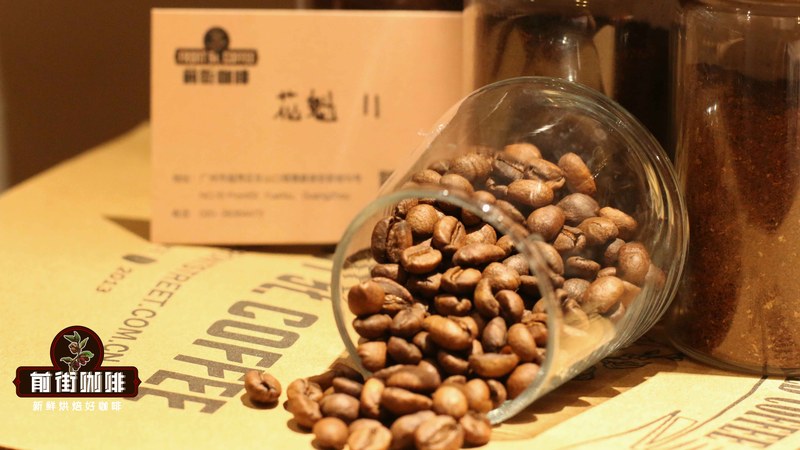
If you prefer a rich, juicy feel, Qianjie Huakui, which suits medium-concentration extraction, is a very good match. The natural process gives it deep berry notes and an alluring fermented passion fruit aroma. Slow cold extraction fully brings out its full-bodied berry sweetness, and the resulting cold brew liquid is clear and bright; drinking it feels like sipping a glass of iced mixed berry juice, with intertwined sweetness and acidity and a rounded texture. One glass in the afternoon and your whole body relaxes.
If you like intense flavors, or even plan to drink it over ice, it is best to choose a type with bold aromatics. Qianjie Colombia Sidra carries the vinous charm of passion fruit and orange; while Qianjie Mozart, under low-temperature slow extraction, blooms even more with rich layers of grape juice, osmanthus and pineapple. Make these two beans into a high-concentration cold brew concentrate at 1:11 or 1:12, pour it over old ice cubes and let it slowly melt, and the aroma becomes especially three-dimensional.
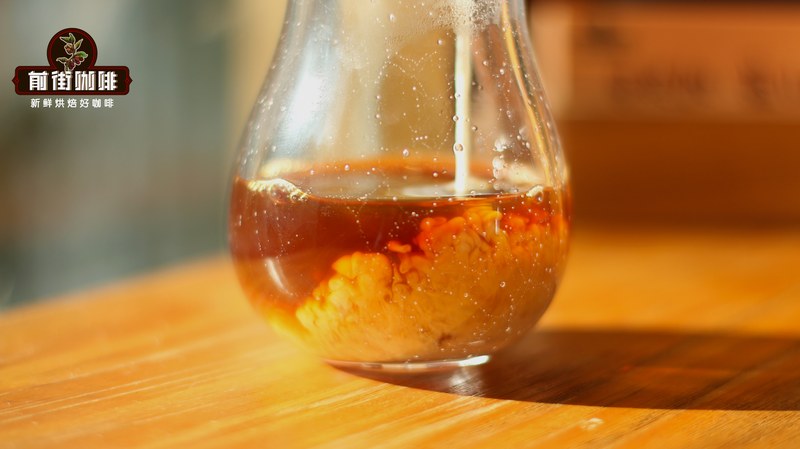
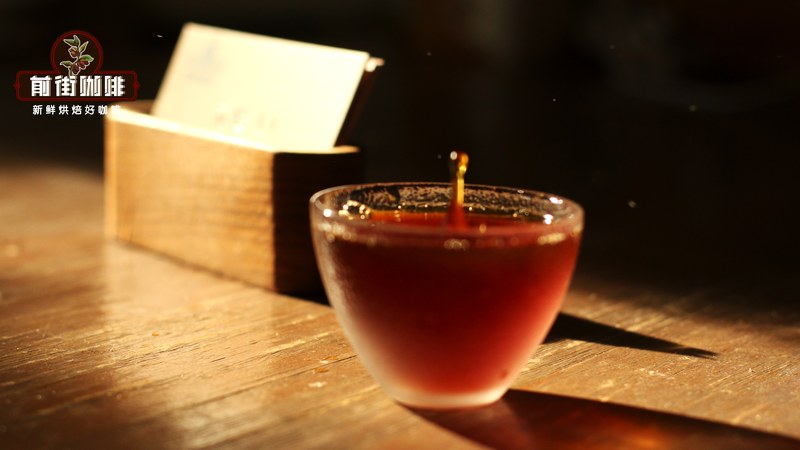
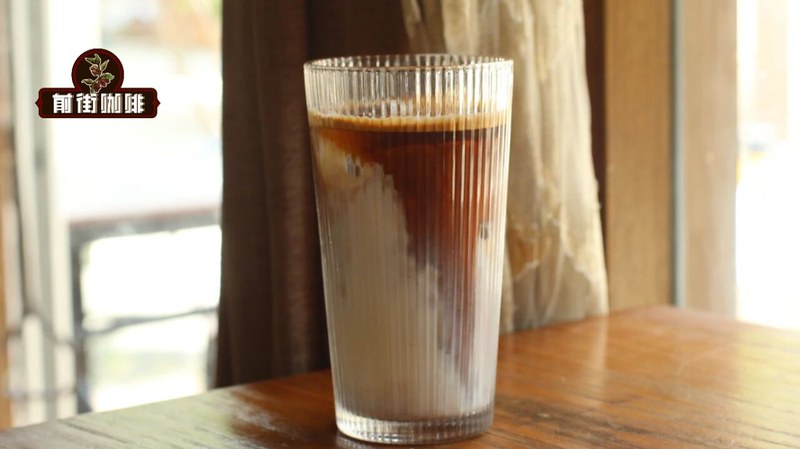
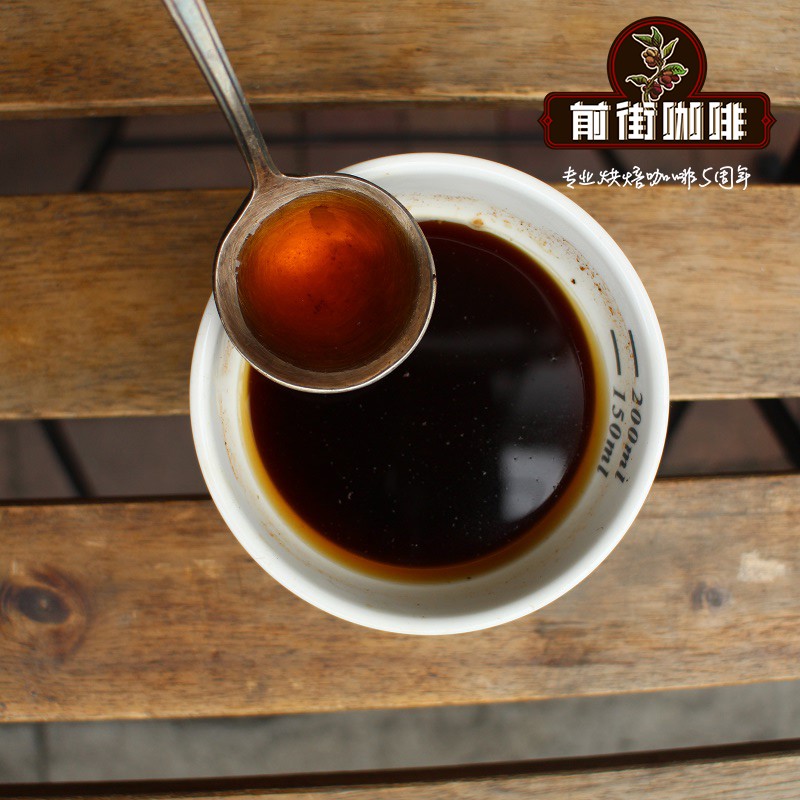
Making it is actually very relaxing. Find a sealed glass bottle, put the ground coffee and room-temperature water in according to the ratio, close the lid tightly and put it in the fridge to soak for eight to ten hours. After taking it out, carefully filter out the grounds with filter paper, then return it to the fridge to rest so the flavor fully opens up. Looking at the amber, crystal-clear liquid in the cup, accompanied by the crisp clinking of ice cubes, your own high-sweetness, fruity cold brew can keep you company through a whole day of leisure.
Related Reading

Comments (0)
Loading comments...
You May Be Interested
2019-07-31

Trending Reviews
Popular Videos

With you, wherever you are! We provide useful features to help you find new things you'll love






