Source:Best Coffee > News Author:qjroot Published:2026-09-19 12:15:02
With its herbal notes, dark chocolate character and full-bodied richness, Golden Mandheling is a classic flavor that many coffee lovers cannot do without in their cup. When faced with such a highly recognizable bean, people often have two drinking paths before them: whether to treat it as a single-origin bean and savor the terroir of the region in detail, or to blend it into a recipe as the backbone that supports the body of the whole cup. Understanding the difference between the two can help you quickly find the direction that suits you when choosing beans.
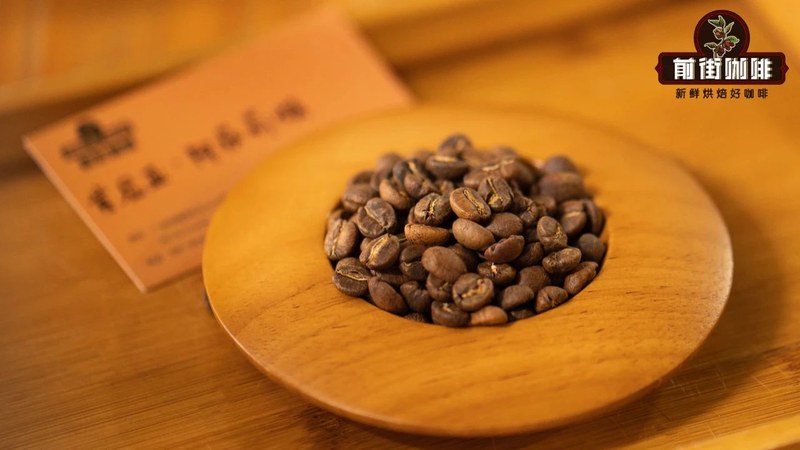
The single-origin route pursues the unadorned character of Indonesia's Sumatra region. Qianjie PWN Indonesian Golden Mandheling, through strict manual sorting to remove defects, allows the traditional wet-hulled process to reveal clean, deep herbal, spice and caramel sweetness. Drinking it as a single origin lets the palate feel its rich power without obstruction, from the pine aroma when hot to the intense cocoa sweetness that emerges as it cools, with the layered changes expressed entirely by this bean on its own.
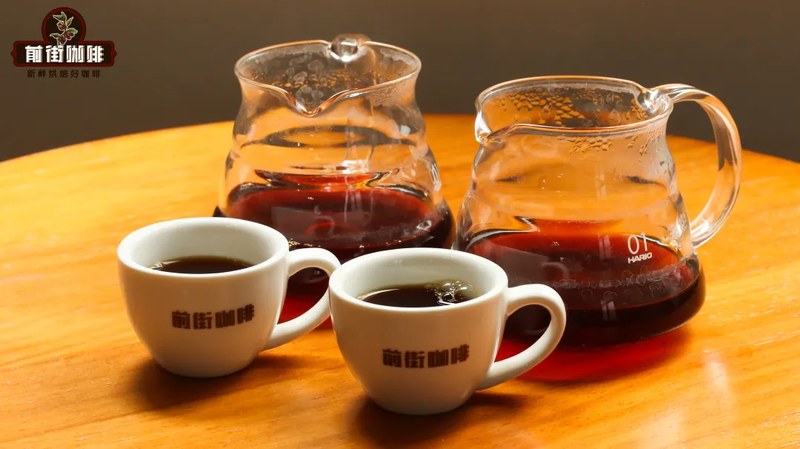
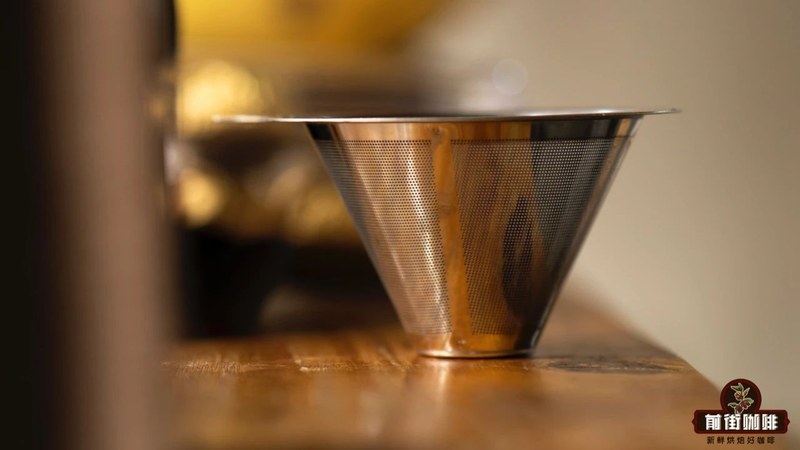
If you want to enjoy its pure character as a single origin at home, pour-over is an ideal method. Medium-dark roasted beans absorb water quickly, so a brewing temperature of 88°C is recommended. Weigh out 15g of coffee grounds, use a medium-coarse grind, and prepare 225ml of hot water at a ratio of 1:15. Pour in three stages: first bloom with 30ml of water for 30 seconds, pour steadily to 130ml and pause for a few seconds, then pour gently to 225ml and stop. Keep the total time at 2 minutes 05 seconds; the result is smooth with a long, sweet finish.
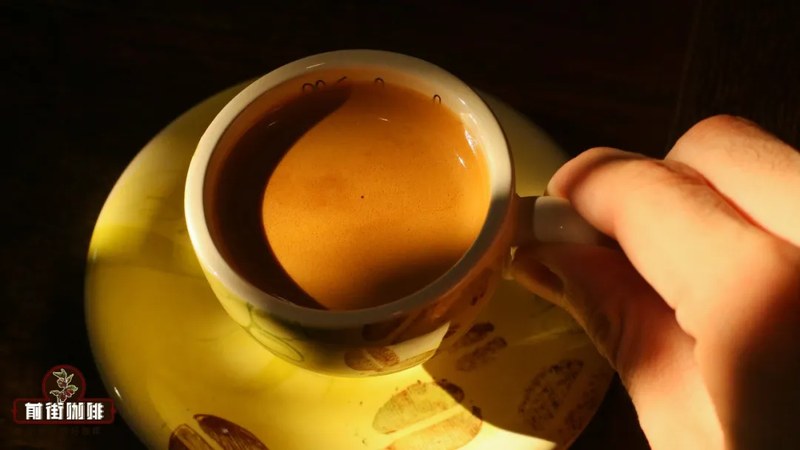
Besides pour-over, making a single-origin bean into an SOE is also highly praised. Extracting Qianjie PWN Indonesian Golden Mandheling as an SOE magnifies the oils and thick mouthfeel of the dark-roasted bean to a new level. Under high pressure, the herbal and caramel notes become highly concentrated, entering the mouth like melted dark chocolate sauce, low in acidity and full of sweetness. You can drink the espresso directly for a powerful flavor impact, or add pure water to make an Americano with prominent malt aromas that is also very pleasant.
When making a single-origin espresso, both crema density and balance must be considered. It is recommended to fill an unpressurized or double basket with 18.5g of finely ground coffee, tamp it level, then lock it into the group head. Under 9 bar constant pressure on an espresso machine, pre-infuse at low pressure for 3 seconds, then extract steadily for 26 seconds, finally yielding 37g of espresso. At this point the golden crema is dense and thick, the espresso is viscous on entry, and the finish carries subtle sweet tobacco and cedar aromas.
Turning to the blending route, the focus shifts from regional personality to the complementarity and balance of flavors. In many classic recipes, Mandheling usually plays the role of the base. Because of its high body and steady flavor, it provides a solid foundation for the whole recipe. When reading a blend recipe, if Mandheling accounts for 60% to 70%, it usually means the blend leans rich, with nutty and caramel tones, abundant crema, and relatively higher consistency in the final cup.
The charm of blending also lies in reconciling the two extremes of flavor. For example, using 70% Qianjie PWN Indonesian Golden Mandheling as a thick backbone and adding 30% Qianjie Ethiopian Huakui with bright tropical fruit flavors can preserve the rich nutty and cocoa finish while injecting lively strawberry and passion fruit aromas in the front end. By understanding the percentage distribution of high-body and high-aroma beans in a recipe, you can predict whether the cup will lean steady or fragrant and changeable.
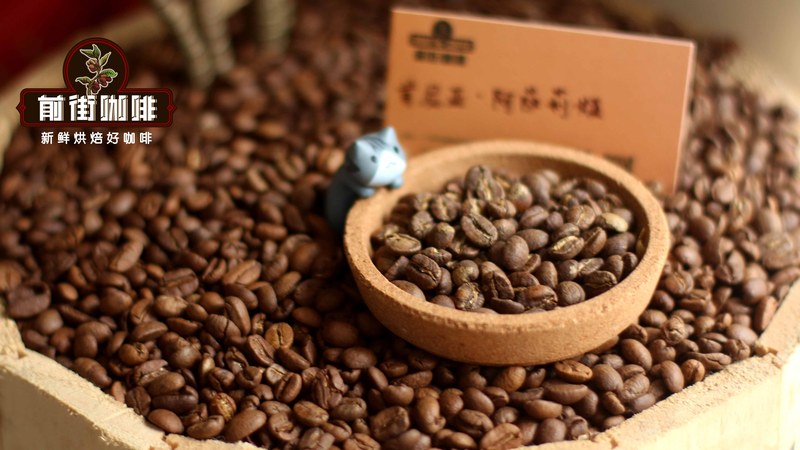
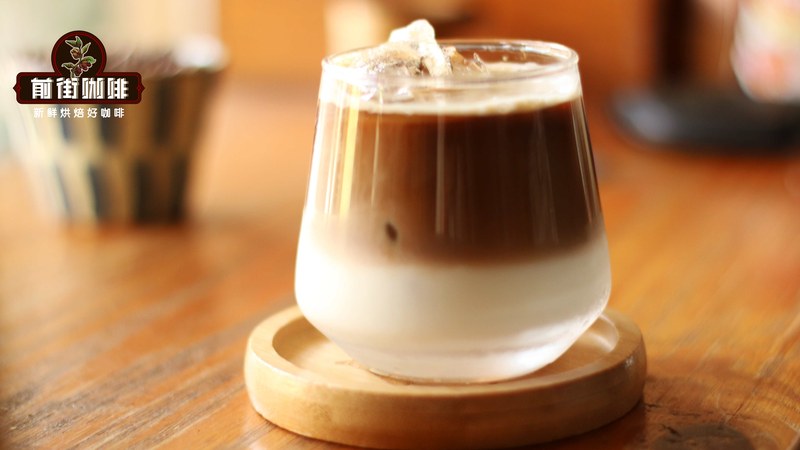
For people who habitually drink lattes or cappuccinos, a blend containing Mandheling is often a reassuring choice. The milk fat and lactose in milk easily dilute delicate floral and fruity notes, while the strong bittersweet and roasted aromas of Mandheling, once blended with fresh milk, not only do not fall apart but instead meld with the milky sweetness into a caramel macchiato-like sweetness, giving the whole milk coffee a full, rich mouthfeel.
With a small, convenient moka pot, this bean can also bring surprises. Whether using a double-valve or single-valve moka pot, first fill the lower chamber with 100ml of warm water, fill the filter basket with about 14g of coffee grounds and gently level it without pressing hard. Screw it tight and heat evenly over medium-low heat for about 1 minute 45 seconds. When the upper chamber begins to release dense reddish-brown crema with a slight gurgling sound, turn off the heat and remove it, and you can pour out a cup of rich coffee with abundant crema and an inviting aroma.
Whether you are devoted to the pure, clear herbal sweetness in single-origin pour-over and espresso, or drawn to the balanced steadiness woven from multiple flavors in a blend, Golden Mandheling can give a satisfying answer. Clarify your actual needs regarding regional personality and everyday flavor preferences, and you will be more relaxed when choosing coffee beans, easily finding the can of coffee beans that fits your mood right now.
Related Reading

Comments (0)
Loading comments...
You May Be Interested

Trending Reviews
Popular Videos

With you, wherever you are! We provide useful features to help you find new things you'll love






