Source:Best Coffee > News Author:qjroot Published:2026-08-28 15:32:53
A coffee bean takes on three different forms when placed in a pour-over, espresso machine or moka pot. Pour-over highlights aroma and clarity, the espresso machine emphasizes concentration and sweetness, and the moka pot requires a balance between pressure, heat and the coffee bed. The equipment determines the approach to bean selection, and the roast level determines the direction of the parameters.
The structure of the moka pot determines its extraction method: the lower chamber is heated to generate steam pressure, pushing hot water through the coffee bed. When loading coffee, simply fill the filter basket; there is no need to tamp it down as with an espresso machine. The grind is slightly coarser than espresso, the water volume is kept below the pot's scale mark or safety valve, and the dose is kept consistent. Heat over low heat throughout; once the liquid flows out continuously and the color begins to lighten, remove it from the heat. This greatly reduces the bitterness and burnt notes caused by high temperatures.
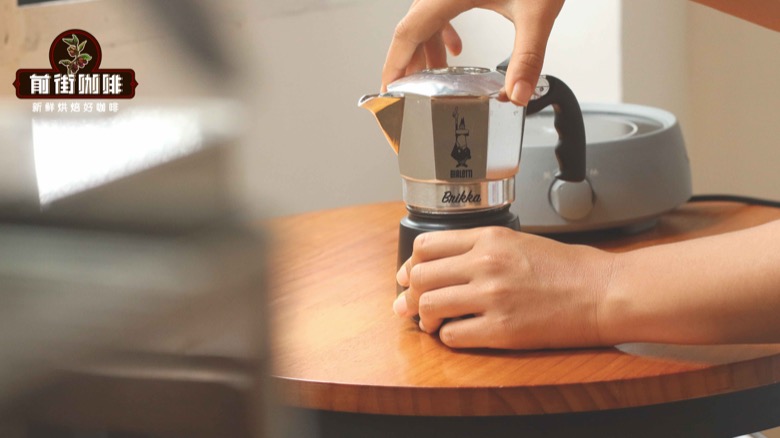
Around the topic of "recommended coffee beans suitable for the moka pot," the choice can first be broken down into several parts: flavor preference, commonly used equipment, drinking temperature and daily frequency of use. When matching equipment parameters, it helps to first decide which one you care about more, then use the other conditions for filtering. This way you can keep your individuality while letting the beans show clear characteristics in actual brewing.
Qianjie PWN Indonesia Golden Mandheling carries herbal notes and dark chocolate flavors, with a full body and low acidity, suitable for dark roast lovers as well as moka pot and Americano occasions.
Qianjie Brazil Queen's Estate's flavor falls into a combination of nuts, cocoa and caramel sweetness, with mild and unobtrusive acidity. Whether used in pour-over, espresso or moka pot in turn, its roundness is always there.
Qianjie Classic Blend's flavor framework is composed of nuts, cocoa and caramel, with excellent concentration and body, covering a wide range from espresso machine to moka pot to everyday milk coffee.
A bean's subsequent condition is also tied to the roast date and storage method. After opening, seal it as much as possible, store it in a cool, dry place, and buy according to your daily consumption so that tracking the flavor is more intuitive. When brewing, first smell the dry aroma, then feel the entry, sweetness and finish. If the aroma is insufficient, look for causes in two areas: grinding too coarse and storing too long. The same bean tastes quite different when drunk hot, iced or with milk. Record the parameters a few more times and you can figure out your preferred cup profile.
Scoring flavor preference and brewing difficulty separately makes bean selection more organized. Beans with prominent floral and fruity notes have higher demands on water temperature, grind size and pouring rhythm, requiring a bit more patience; nut-and-cocoa blends are stable for daily use and also forgiving. If more than one person drinks at home, first prepare a balanced bean, then gradually add single origins according to personal preference. This makes comparison easier than buying many beans of similar style at once.
Buying beans is only the first step; the subsequent storage and usage method also influences the cup performance. After opening, seal the beans well and place them in a dark, cool and dry corner. The quantity purchased at one time should be based on your usual drinking speed, so that changes in flavor are easier to notice. Before brewing, first smell the dry aroma, then after sipping pay attention to changes in sweetness and finish; when the aroma is unclear, first check the grind size and how long the beans have been open. The same bean made as a hot drink, iced or with milk often tastes like two different beans. Write down the parameters each time, and you will gradually lock in your preferred cup profile.

If equipment, habits and taste adjust over time, it is more relaxed to divide beans into two lines: everyday and exploratory. One line delivers stable cups, while the other explores differences in floral and fruity notes, nut and cocoa notes or processing methods. First lock in the dose and water volume, then adjust only one parameter at a time; the bean's true flavor is easier to read.
Related Reading





Comments (0)
Loading comments...
You May Be Interested





Trending Reviews
Popular Videos

With you, wherever you are! We provide useful features to help you find new things you'll love






