Source:Best Coffee > News Author:qjroot Published:2026-09-18 16:57:11
The light, soaring floral aromas in light-roast coffee beans are often extremely sensitive to the water used for brewing. Water makes up more than 98% of a cup of coffee, and the amount and ratio of minerals in the water directly determine whether aromatic compounds can be released smoothly. Many people switch their dripper or grinder, yet the aroma in the cup still seems dull. At this point, turning your attention to the brewing water you use every day often brings unexpected surprises.
The total dissolved solids in water, commonly known as TDS, along with calcium and magnesium ion content, form the invisible framework of brewing flavor. Magnesium ions are good at pulling out fruity acidity and floral molecules, while calcium ions can bring out a smooth mouthfeel. But if overall minerals are too high, the water's own dissolving space is squeezed out, and the delicate jasmine or citrus notes get suppressed, tasting heavy and dull; while completely mineral-free purified water tends to produce a thin, hollow layering.
When brewing at home, tap water, even after being heated to a boil, usually still has relatively high bicarbonate and hardness, which easily neutralizes the bean's original delicate fruity acidity and floral notes. For daily use, it is more advisable to choose bottled natural spring water or soft mineral water. When checking the label, you can look for water with a TDS between 50 and 100ppm and moderate calcium and magnesium. Such water has enough extracting power to let fine herbal and floral aromas drift lightly, and the finish is more expansive in its lingering sweetness.

To brew a cup of coffee filled with floral aroma, the source naturally calls for high-altitude varieties with a clear floral genetic profile. Ethiopia's native heirloom varieties and Panama's Geisha are both benchmarks for showcasing floral character. In terms of processing method, washed processing can present cleaner, purer herbal and floral notes, while natural or special fermentation will weave floral notes together with ripe fruit sweetness. Everyone can choose the direction that suits their own flavor preferences.
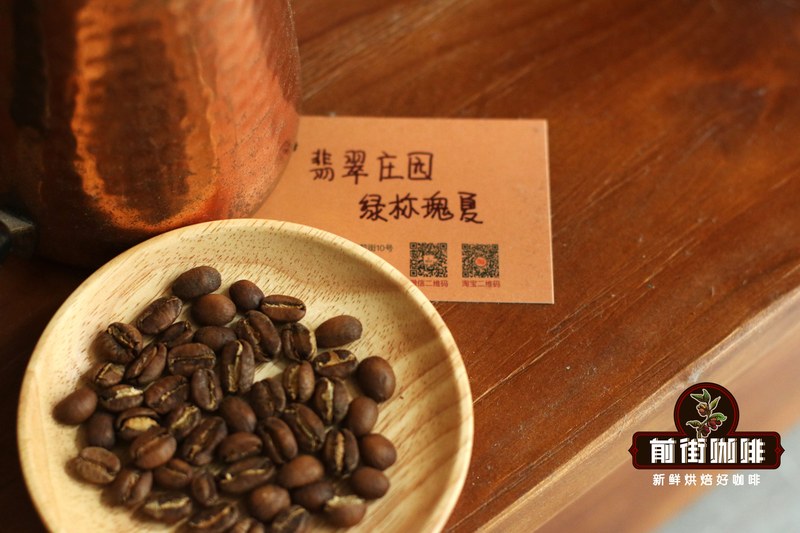
Qianjie Panama Hacienda La Esmeralda Red Label Geisha is a classic work known for its elegance. This bean carries delicate jasmine floral notes, bergamot and a sweet black tea sensation, making it extremely suitable for brewing with soft water. Use 91°C soft water, prepare 15g of coffee grounds, and pour 225ml of water at a 1:15 coffee-to-water ratio. First bloom with 30ml of water for 30 seconds, then gently pour in a circular motion up to 130ml, and after the water level drops, pour up to 225ml, in three pours, with total time controlled at 2 minutes 05 seconds, and the floral layers bloom in succession.
Besides the water's own hardness, the synergy between brewing temperature and water quality also directly affects the expressiveness of floral notes. Softer water has higher extraction efficiency and does not need overly aggressive high temperatures to force out aroma. A water temperature of 90°C to 92°C often reliably preserves the volatile organic compounds in floral notes. If the water temperature exceeds 94°C, the high heat easily extracts unwanted off-flavors from the finish, which instead masks the delicate floral notes in the front end.
Qianjie Yirgacheffe Gudingding, with white small flowers and bright citrus notes, is likewise very good at testing the level of your water. This washed bean is clear and brisk, with a charming green-tea-like sweetness. Brew with 92°C spring water, take 15g of grounds, also use a 1:15 coffee-to-water ratio and 225ml total water. After a 30-second bloom, pour in 120ml, pause briefly, then pour the remaining water up to 225ml, in two pours, with total time of 1 minute 55 seconds, and the citrus floral notes and juicy sensation will be especially vivid.
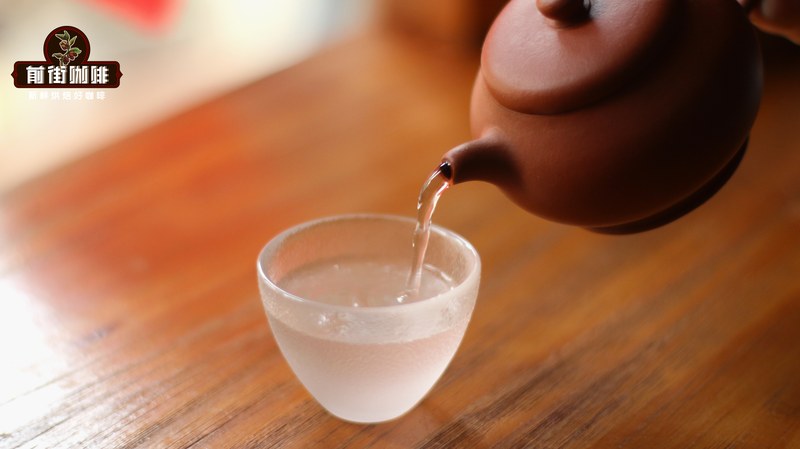
When we use water with the right hardness, the pouring technique can focus more on gentleness and evenness. A strong stream that violently agitates the coffee bed easily accelerates the release of impurities, while a soft, fine, small-stream pour in stages allows the soft water molecules to fully saturate the coffee particles, steadily extracting the aromatic esters from the front and middle sections. Keep the coffee bed level and avoid the stream directly washing the edge of the filter paper and creating channels, and the aroma of the whole cup will be more transparent and three-dimensional.
For those who like complex fruity notes and tropical florals, Qianjie Colombia Sidra shows rich apricot, blueberry and grape flavors. This type of full-flavored light-roast bean is especially pleasant when extracted with moderately low 90°C soft water. Use 15g of grounds and 225ml of water at a 1:15 ratio. After a 30-second bloom, pour steadily in an even small stream up to 225ml, in a single pour, with total time of 2 minutes 10 seconds, and the berry sweetness and floral-fruity fragrance blend extremely evenly.
Making good coffee is not a complicated matter. Sometimes simply replacing the tap water boiled at home with a bottle of crisp soft spring water can fully awaken the floral notes originally hidden deep within the bean. Choose a high-quality light-roast floral bean, pair it with a pot of hot water of suitable softness and hardness, pour slowly, breathe quietly, and that fragrance belonging to coffee itself will naturally bloom lightly in your cup.
Related Reading

Comments (0)
Loading comments...
You May Be Interested

Trending Reviews
Popular Videos

With you, wherever you are! We provide useful features to help you find new things you'll love






