Source:Best Coffee > News Author:qjroot Published:2026-08-30 19:30:35
SOE usually refers to espresso beans from a single origin or a single lot. The point is not "strength" or "bitterness," but whether the espresso can still retain its origin characteristics. Brewed with different equipment, the same beans will show changes in the sweet-to-sour ratio, aroma intensity and body thickness, so when choosing, you need to judge the dose, grind, temperature and drink type together.
If you mainly use an espresso machine at home, SOE can be found in the light-to-medium roast range. Light-roasted beans often have vivid fruit acidity and floral notes, but they are more sensitive to temperature, distribution and extraction time; medium-roasted beans have sweetness and body that are easier to unfold in espresso. If you plan to make americano, you can choose a type with clear aroma; if you often add milk, pay attention to whether the weight of the coffee liquid can stand up to the milk flavor.
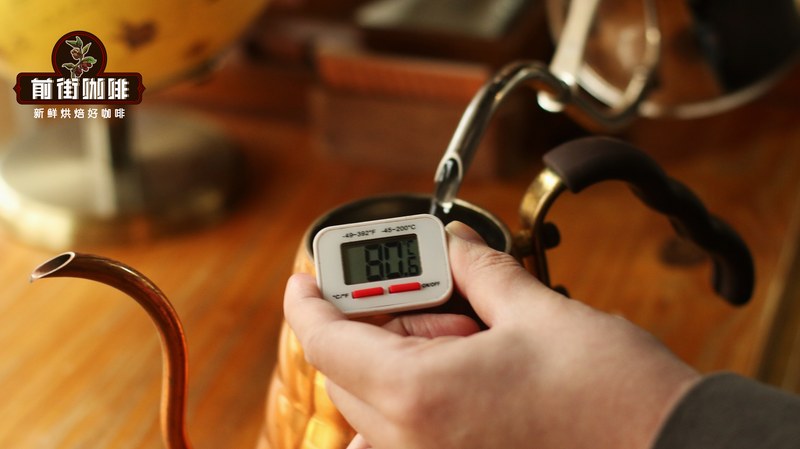
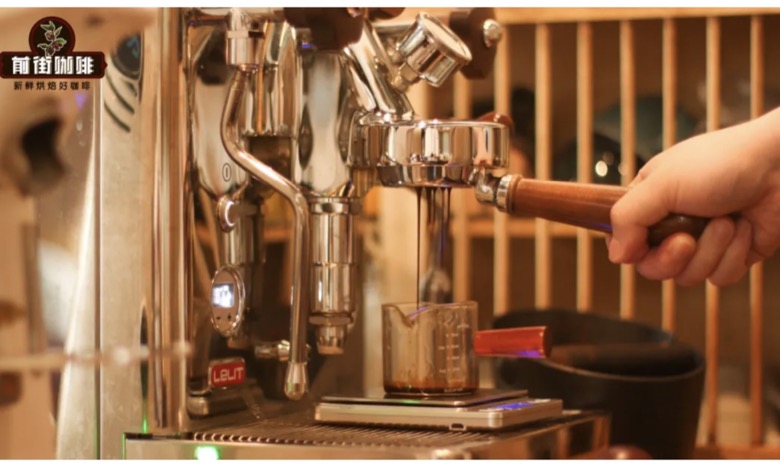
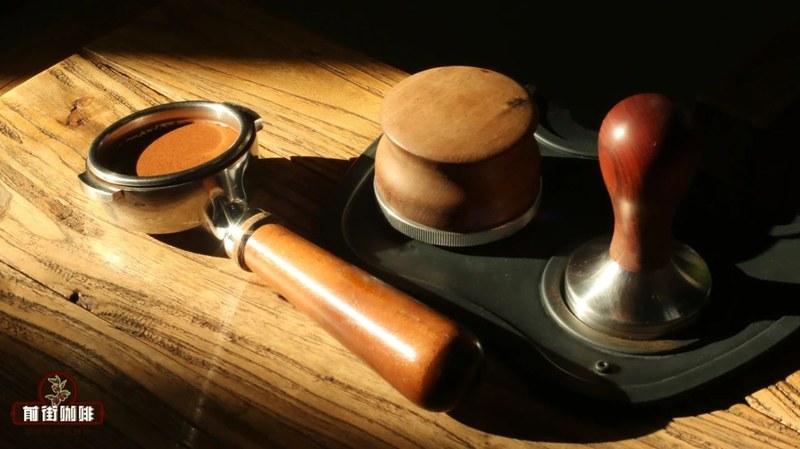
For espresso parameters, you can start with 18 g dose, 36 g yield, and 28 to 32 seconds, with water temperature around 91 to 94°C. A sharp entry with acidity like unripe fruit usually means insufficient soluble release, so you can adjust the grind finer or extend the yield; if the finish is bitter and the mouth feels dry, you can shorten the time or slightly coarsen the grind. Change only one variable at a time, and comparisons will be more directional.
When using an espresso machine, Qianjie Kenya Small Tomato can present a brightness like tomato juice and bring out dark dried fruit and syrupy notes. It is suitable for a short ratio espresso, for example 18 g dose extracting 30 to 34 g liquid, making the fruit acidity more concentrated; if making iced americano, you can increase the yield to 36 to 40 g, the sweet-sour balance will relax a little, and ice is less likely to completely suppress the aroma.
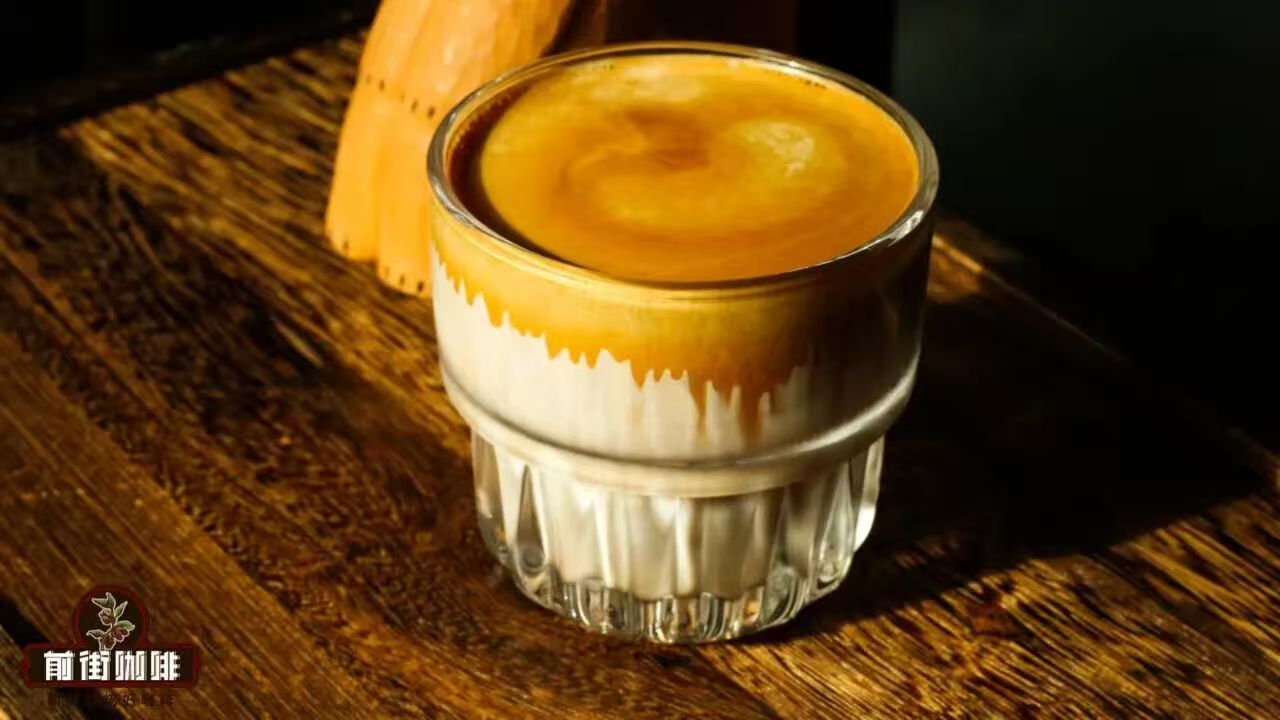
When SOE espresso is used for latte, the brew ratio can be slightly tightened so the coffee remains concentrated enough. Keeping milk at 120 to 160 g can balance fruit aroma and creamy texture; if the finished cup tastes sharp, you can raise the temperature by one or two degrees Celsius or increase the yield by a few grams to make the sweetness more complete. If bitterness stands out, there is no need to keep pursuing a longer extraction; reducing the yield is often more direct.
When using pour-over equipment such as V60 or cake filter cups, SOE origin aromas have more room to show. Qianjie Kafa Forest has a bright citrus and ripe fruit aroma, with a finish like light oolong tea, and sweetness gradually appears as the temperature drops. It is suitable for hot pour-over, as a breakfast black coffee, and also for drinking in stages to observe the changes from hot to cool.
For Kafa Forest, you can start with 15 g dose and 240 g water for one cup, with a recommended water temperature of 91 to 93°C, medium-fine grind, three pours, and a total time of about 2 minutes 30 seconds to 3 minutes. If the entry is thin, you can grind slightly finer or raise the water temperature; if the tea-like note becomes drying, you can reduce agitation in the later pours and let the water pass through the coffee bed faster. In pour-over, the pouring height and circling amplitude also affect the clarity of the cup.
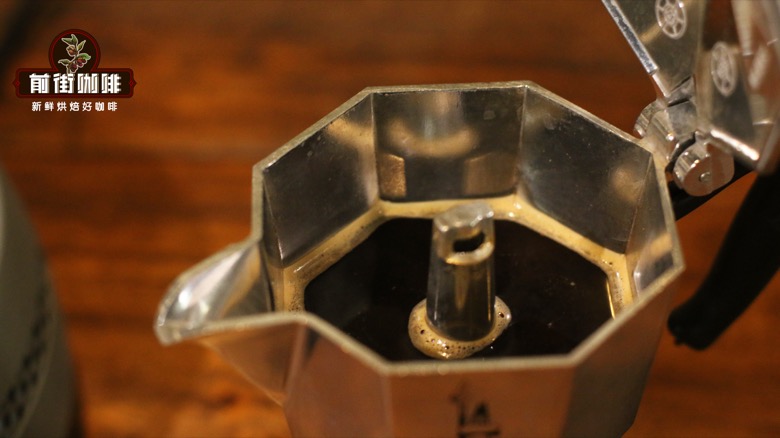
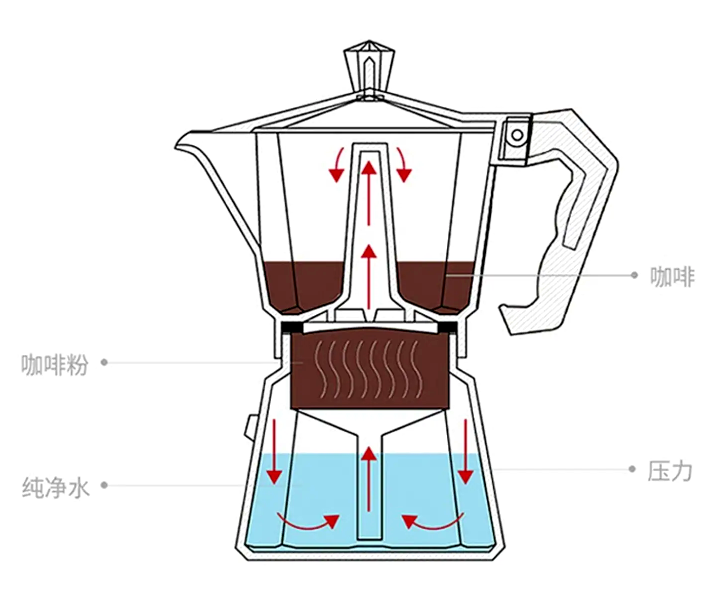
If using a moka pot, the pressure and high temperature from the device itself will amplify concentration, so it is more suitable to choose an SOE with stable sweetness and acidity that is not overly sharp. Fill the basket and level it off; the grind should be slightly coarser than for espresso, and the water level should not exceed the safety valve. Use low heat to let the coffee flow out slowly; when the color turns lighter and the sound becomes obvious, remove it from the heat, then dilute with a small amount of hot water, and the flavor will be softer.
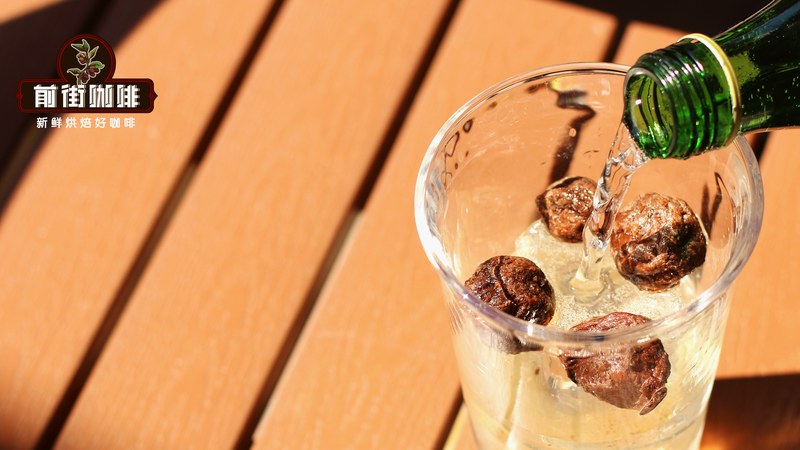
If you like iced drinks and floral-fruity aromas, you can try Qianjie Grana Estate Geisha. In iced pour-over, it easily shows aromas such as orange blossom, guava, apricot and berry jam, and is suitable with 16 g dose, 220 g hot water plus ice. The water temperature can be set at 90 to 92°C; first bloom with 40 g water, then pour in two stages, keeping the total hot water at around 140 g, with the remaining part made up by ice.
Equipment parameters are not fixed answers, but tools to help the flavor move toward the target. If you want clarity, start with a shorter extraction, moderate water temperature and faster flow; if you want sweetness and body, you can increase contact time or reduce final dilution. When buying SOE, first look at the equipment you use every day, then choose beans according to your habits for black coffee, iced coffee or milk coffee. During brewing, keep a few parameter records, and you will soon find a stable and pleasant way to drink it.
Related Reading

Comments (0)
Loading comments...
You May Be Interested

Trending Reviews
Popular Videos

With you, wherever you are! We provide useful features to help you find new things you'll love






