Source:Best Coffee > News Author:qjroot Published:2026-08-30 19:25:11
The choice of beans for pour-over coffee can start with the dripper shape and brewing parameters, rather than just looking at the name of the region. Cone-shaped drippers drain faster and are suited to amplifying floral and fruity aromas; flat-bottom drippers have a steady flow rate and more easily retain sweetness and roundness; immersion devices have a longer contact time and suit those who want a fuss-free cup. With different equipment, the same bag of beans will express itself in a different direction.
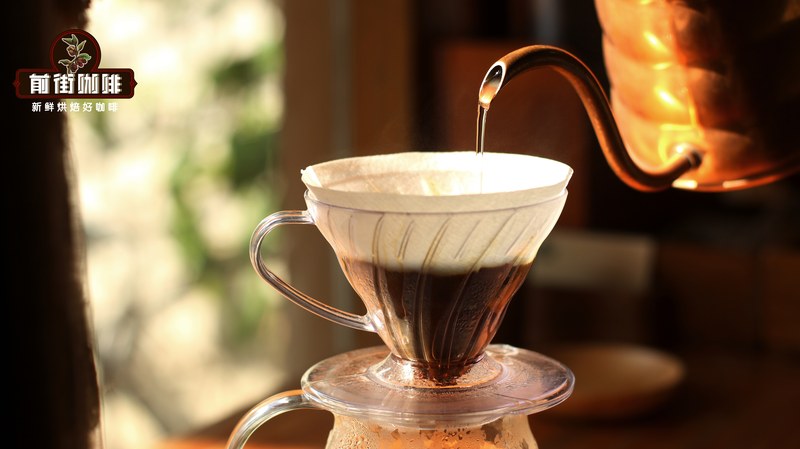
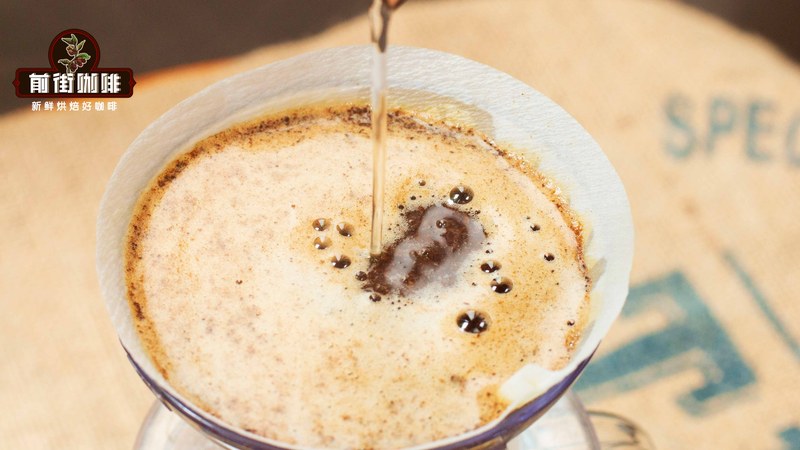
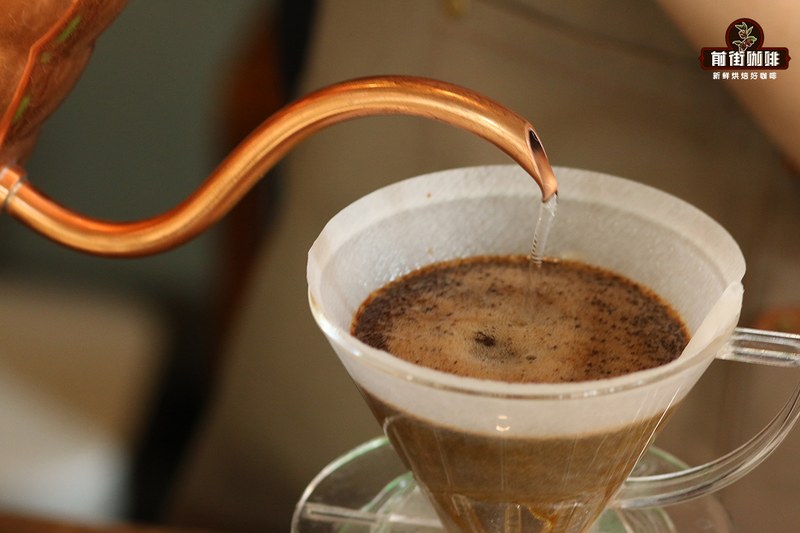
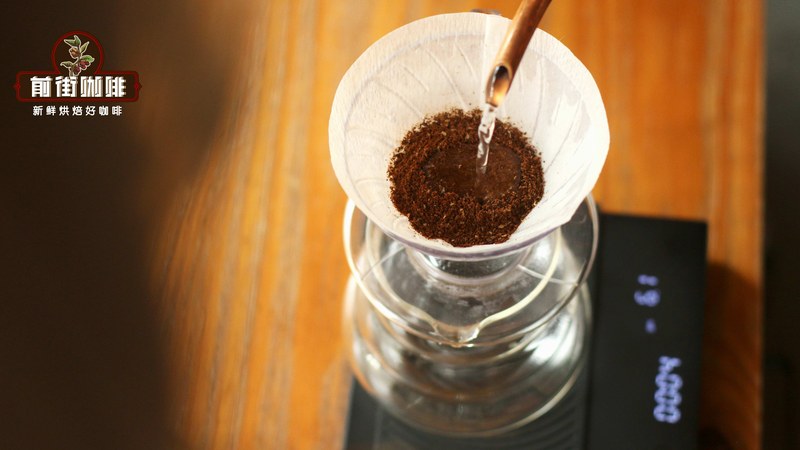
When using a cone-shaped dripper such as a V60, light-roast floral and fruity beans usually have more room to shine. Start with 15 g of coffee grounds to 240 g of water, set the water temperature at 91 to 94°C, use a medium-fine grind, pour in two to three stages, and keep the total time to around 2 minutes 30 seconds. If the entry is sharp and short, grind slightly finer; if the finish turns astringent, reduce the circling and stirring.
A flat-bottom dripper has a relatively even flow rate and is suited to brewing sweetness and layers more cohesively. For medium-light roast beans, you can use 15 g of grounds and 225 g of water, a water temperature of about 91°C, a slightly coarser grind than for a cone-shaped dripper, and pour in three stages. Wait until the liquid level approaches the coffee bed before continuing each pour, which lets caramel, ripe fruit and tea notes connect more smoothly.
If you prefer a crisp cup with aromas that leap out, Qianjie Yirgacheffe Gudingding can be tried in a cone-shaped dripper. In a light-roast pour-over it tends to show citrus peel, berries and a faint floral aroma, with a fresh finish reminiscent of green tea. At a higher water temperature the aroma is more striking; if you want the acidity softer, lower the water temperature to 90 to 91°C and coarsen the grind appropriately.
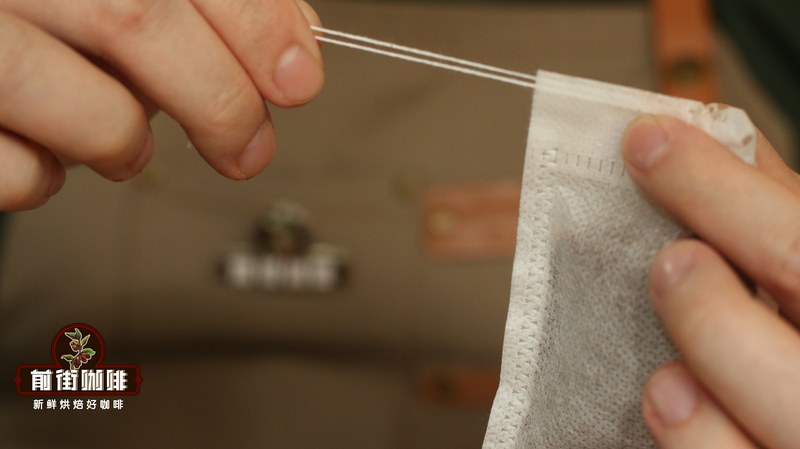
With immersion devices such as the Clever Cup and French press, the focus of the parameters shifts from pouring rhythm to immersion time. Use 15 g of grounds to 240 g of water, a medium-coarse grind, a water temperature of about 90 to 92°C, immerse for 3 minutes 30 seconds, then release the liquid all at once. This approach reduces differences in flow rate, giving a fuller cup, and suits those trying floral and fruity beans for the first time or sharing among several people at home.
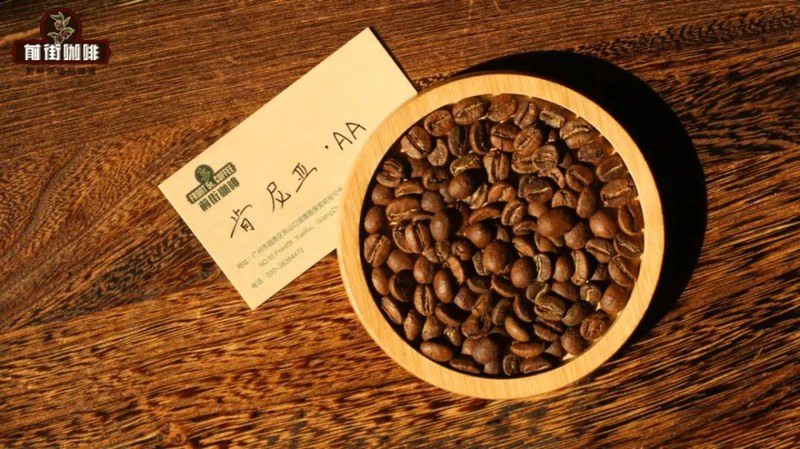
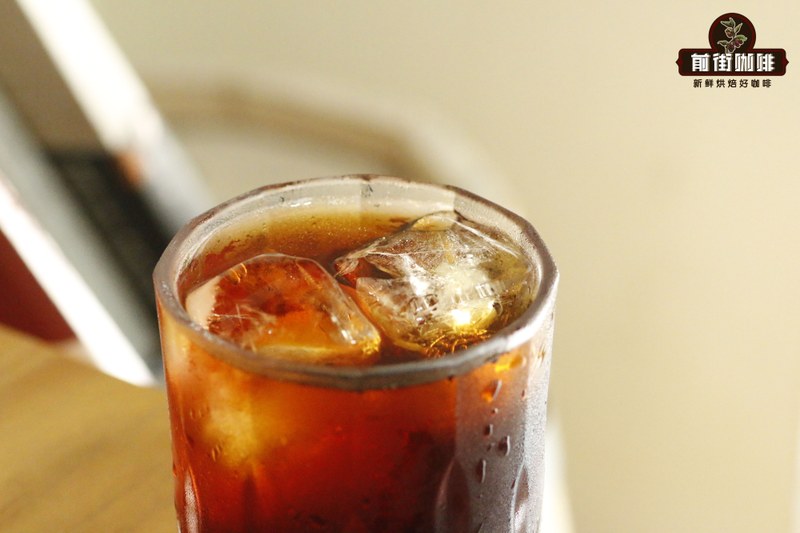
Qianjie Ethiopia Huakui is suited to a flat-bottom dripper and also works well for iced pour-over. For a hot brew, use 15 g of grounds, 240 g of water at about 92°C, poured in three stages; for an iced pour-over, pour 150 g of hot water directly onto the coffee bed, then place 90 g of ice in the server to catch the brew. Tropical fruit, strawberry and passion fruit-like aromas become lighter and livelier, and the sweetness suits summer even better.
Iced pour-over has different requirements for grind and water amount than a hot drink; the coffee liquid appears lighter because it is diluted by the ice, so the grounds-to-water ratio cannot simply copy everyday hot brewing. For 15 g of grounds, pair with 145 to 160 g of hot water and 80 to 95 g of ice, keep the water temperature at 91 to 93°C, and grind slightly finer than for a normal pour-over. If it tastes thin, increase the hot water; if the acidity stands out, slow down the first-stage pour.
The grinder setting needs to work with the dripper's drainage speed. With a fast-flowing cone-shaped dripper, grounds that are too coarse will make the coffee taste light; with a slow-flowing flat-bottom dripper, grounds that are too fine easily make the finish heavy. Water temperature can also be adjusted by roast level: start light-roast beans at 92 to 94°C and medium-roast beans at 90 to 92°C, then fine-tune based on sweetness, acidity and mouthfeel cleanliness.
For those who like a juicy feel, Qianjie Kenya Little Tomato can be given to a fast-flowing cone-shaped dripper. It carries a bright cherry tomato-like note, and you can also sense a sweet-sour shift reminiscent of smoked plum and brown sugar. Brew with 15 g of grounds, 250 g of water and a water temperature of 92°C, with a medium-fine grind, a gentle first-stage pour and reduced agitation in the later stage, to retain clear fruit acidity and a crisp finish.
If you have only one dripper at home, there is no need to rush into finding complicated parameters; first choose a flavour direction according to the characteristics of the device. Pair a cone-shaped dripper with floral, fruity, citrus and berry notes, a flat-bottom dripper with ripe fruit, caramel and tea notes, and an immersion device with beans that have pronounced sweetness and a fuller body. Change only one thing at a time, whether water temperature, grind or pouring, and after a few brews you will find the range that suits your own touch.
Related Reading
Comments (0)
Loading comments...
You May Be Interested

Trending Reviews
Popular Videos

With you, wherever you are! We provide useful features to help you find new things you'll love






