Source:Best Coffee > News Author:qjroot Published:2026-09-19 12:41:18
Low-caffeine pour-over beans have now shaken off their old reputation for being thin and monotonous. They not only retain the aromatic compounds of the green beans themselves, but have also split into distinct camps in terms of production approach. Faced with shelves full of packaging, whether to choose a single-origin bean that highlights the character of its origin or a precisely calibrated blend often determines the aroma profile and mouthfeel of the liquid in your cup.
The essence of the single-origin route for decaf beans lies in capturing the individual imprint given by a specific geographic environment. Whether it is the soft fruit acidity brought by high altitude or the delicate floral and herbal fragrance fostered by a microclimate, single-origin production minimizes external intervention as much as possible, allowing the origin's native charm to be delivered clearly to the palate. It suits coffee lovers who prefer subtle shifts in flavor and are used to carefully discerning origin characteristics.
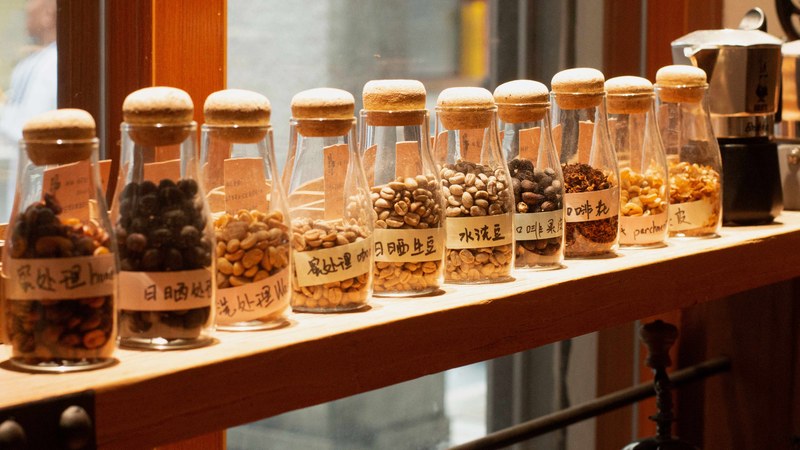
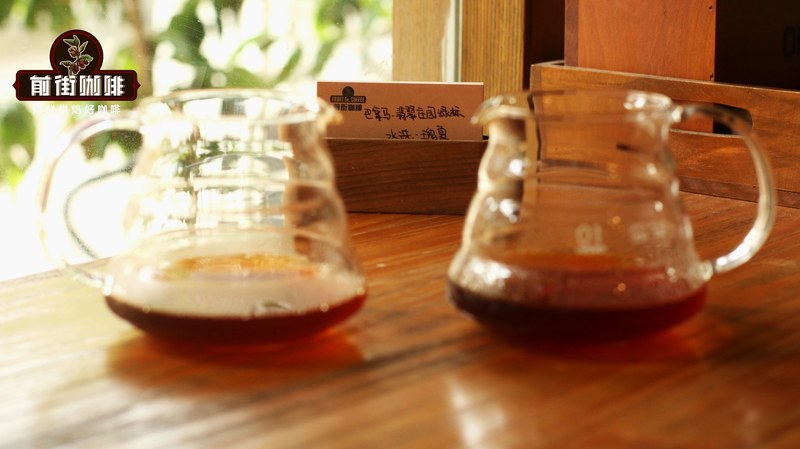
To experience a clear origin personality, Qianjie Kafa Forest shows a light and lively tone. During brewing you can sense orange sweetness and ripe apricot notes, and as the temperature drops, an oolong tea-like sweetness becomes more expansive. For pour-over, it is recommended to use 90°C water, take 15g of grounds, pour 225ml of water at a 1:15 coffee-to-water ratio, bloom for 30 seconds, then use a three-pour method with a total time of 2 minutes 05 seconds, which fully releases the warm, sweet flavor line.
Compared with the direct expression of terroir in single-origin coffee, the blending route emphasizes complementary flavors and structural balance. Roasters combine beans from different origins, processing methods or roast levels, using base beans to build a thick, broad sweetness framework, then using accent beans to supplement fragrant aromas, thereby smoothing out any jarring edges of a single taste and bringing a softer, easier-drinking overall cup.
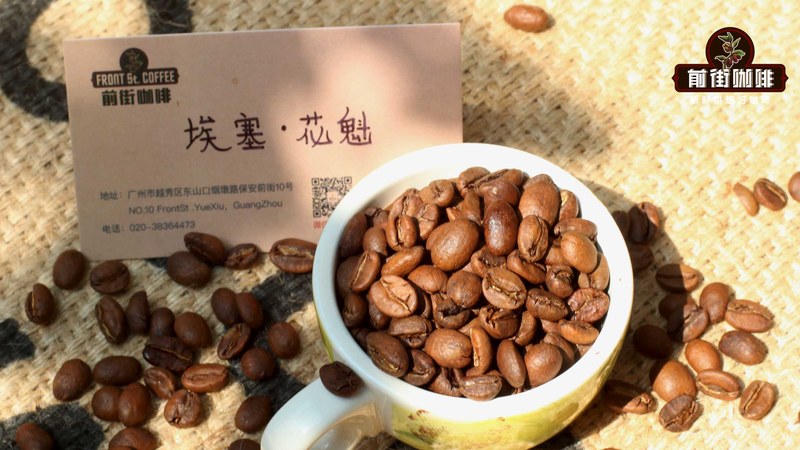
Understanding the blend ratio on the packaging is a practical skill for picking a coffee that suits you. Usually the bean listed first and accounting for more than half of the recipe determines the overall framework, such as an origin known for nuts and brown sugar that lays down the smooth mid-to-back palate; the accent beans at 20 to 30 percent take on the role of brightening acidity or adding floral and fruity notes. A slight adjustment in the ratio of the two can directly change the light or dark direction of the whole cup.
When pursuing complex aromatic layers, Qianjie Grana Estate Geisha shows an extremely elegant profile; the natural process brings intense aromas of orange blossom, guava, apricot and strawberry jam. When brewing this light-roast bean, it is recommended to use 91°C water, take 15g of grounds, pour 225ml of water at a 1:15 coffee-to-water ratio, bloom for 30 seconds, then use a two-pour method with a total time of 1 minute 55 seconds, so the cup's complex floral and fruity tones can bloom lightly.
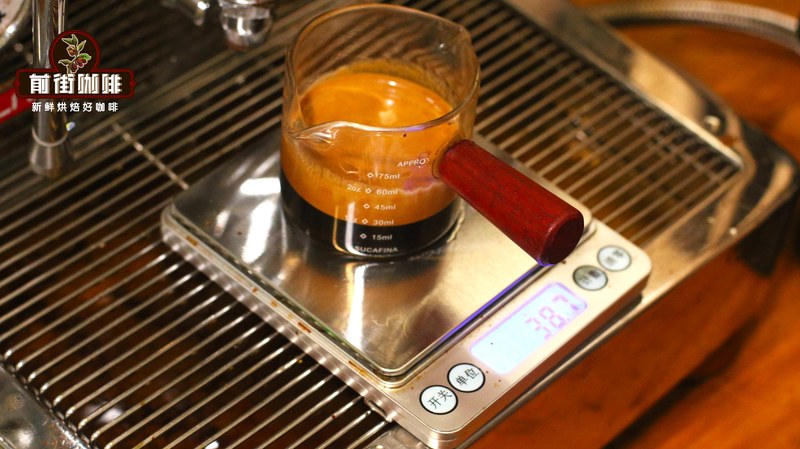
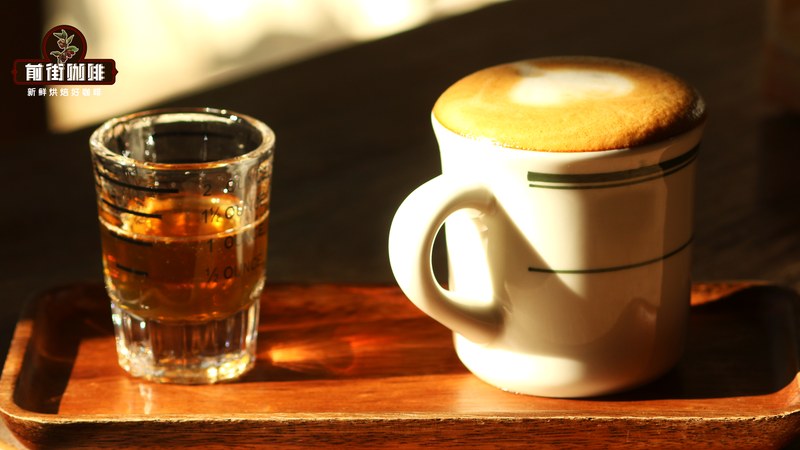
Beyond paper-filter pour-over, single-origin and blending concepts extend to espresso equipment with different roles. Single-origin SOE pursues a concentrated burst of origin aroma, using 18.5g of grounds with low-pressure pre-infusion followed by constant-pressure extraction, taking 26 seconds to extract 37g of espresso; adding water to make an iced americano is especially refreshing. Traditional espresso blends, meanwhile, have a firmer crema structure and are not easily masked by milk aroma after adding hot milk, giving an especially rich and smooth mouthfeel.
Whether to choose single-origin or a blend depends mainly on your core expectation for that cup of pour-over. If you want each brew to feel like exploring the climate and soil of a distant estate, enjoying the lively leap of fruit acidity from bright to soft, single-origin is undoubtedly more interesting; if you want to casually brew a mild, easy-drinking hot drink with coherent sweetness and forgiving technique when you wake up in the morning or during a work break, a balanced blend will be much less trouble.
Personal drinking habits are also an important basis for narrowing your choices. If you only brew in the afternoon or at night and need to balance flavor enjoyment with restful sleep, a clean-tasting single-origin decaf can provide refined sensory comfort; if you drink it frequently throughout the day, or often make creative drinks with milk foam, choosing a blend with higher stability and good compatibility with dairy is more relaxed and appropriate.
Finding low-caffeine pour-over beans that suit you is essentially about seeking the balance point between origin tension and harmonious beauty. There is no need to cling to fixed conceptual labels. Recognize your own flavor demands and drinking preferences: whether you love the bright, delicate floral and fruity resonance of single-origin, or favor the gentle, lasting nutty sweetness of a blend, you can gain a comfortable, pleasant coffee experience in the quiet moments of brewing.
Related Reading




Comments (0)
Loading comments...
You May Be Interested



Trending Reviews
Popular Videos

With you, wherever you are! We provide useful features to help you find new things you'll love






