Source:Best Coffee > News Author:qjroot Published:2026-09-24 13:13:54
In the early morning, you open the window to greet the breeze and grind a handful of Yunnan coffee beans. Sometimes the brew comes out rich and mellow, sometimes it is as thin as tea, and sometimes there is even astringency lingering in the finish. In fact, this bag of beans has always been very consistent in quality; when the cup is inconsistent, it is often extraction yield and strength quietly playing hide-and-seek. Once you understand the temperament of both, you can easily dial the same bag of beans to an especially smooth and balanced state.
Many people easily confuse strength with extraction yield. Simply put, strength is how heavy the cup of coffee tastes, depending on how many flavor substances have dissolved into the water; extraction yield, on the other hand, is how much of the coffee grounds has been carried away by the hot water overall. Use less water and the coffee will naturally be stronger, but if the flavors in the grounds have not been fully brought out, it may taste full-bodied while seriously lacking in layers.
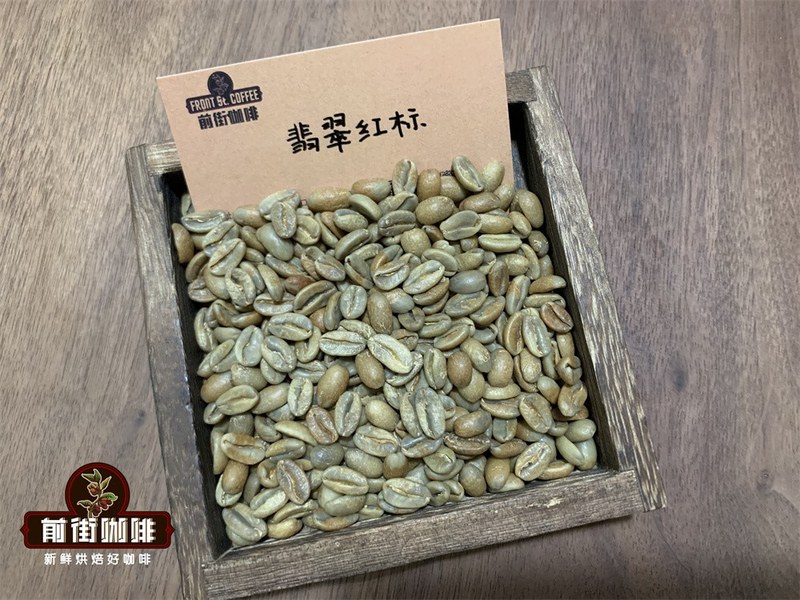
Grind, water temperature and coffee-to-water ratio are the golden keys to controlling extraction yield. The finer the coffee is ground, the larger the surface area; the higher the water temperature, the stronger its ability to dissolve flavors, and both will significantly raise extraction yield. The coffee-to-water ratio, meanwhile, directly controls the backbone of strength. If you find that a pour-over tastes obviously watery and has thin aroma, it is most likely that the grind is too coarse or the water temperature is too low, causing underextraction, with both strength and extraction yield on the low side.
If you taste dryness at the back of the tongue and a harsh, rough astringency that bites the throat, that is a signal of overextraction and the dissolution of woody fiber flavors. At this point there is no need to change beans at all; you only need to adjust the grind one notch coarser, or lower the water temperature by two or three degrees from the high end, and you can smooth out the sharp, miscellaneous bitterness. By knowing how to fine-tune parameters according to what you feel in your mouth, every bag of beans in your hands can show just the right sweetness.
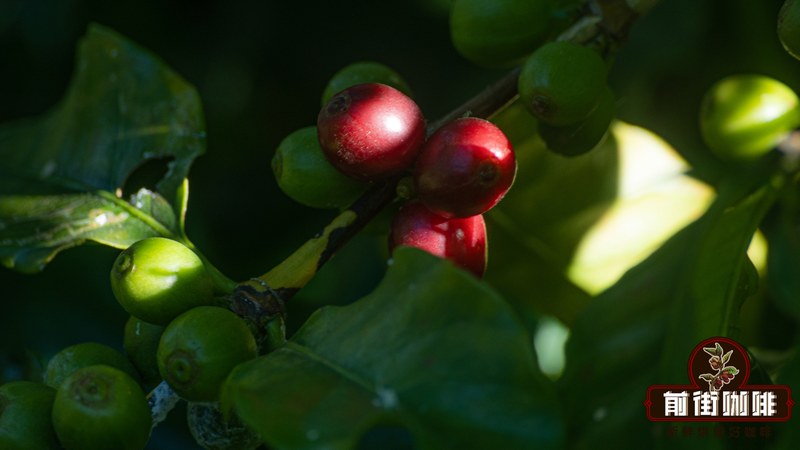
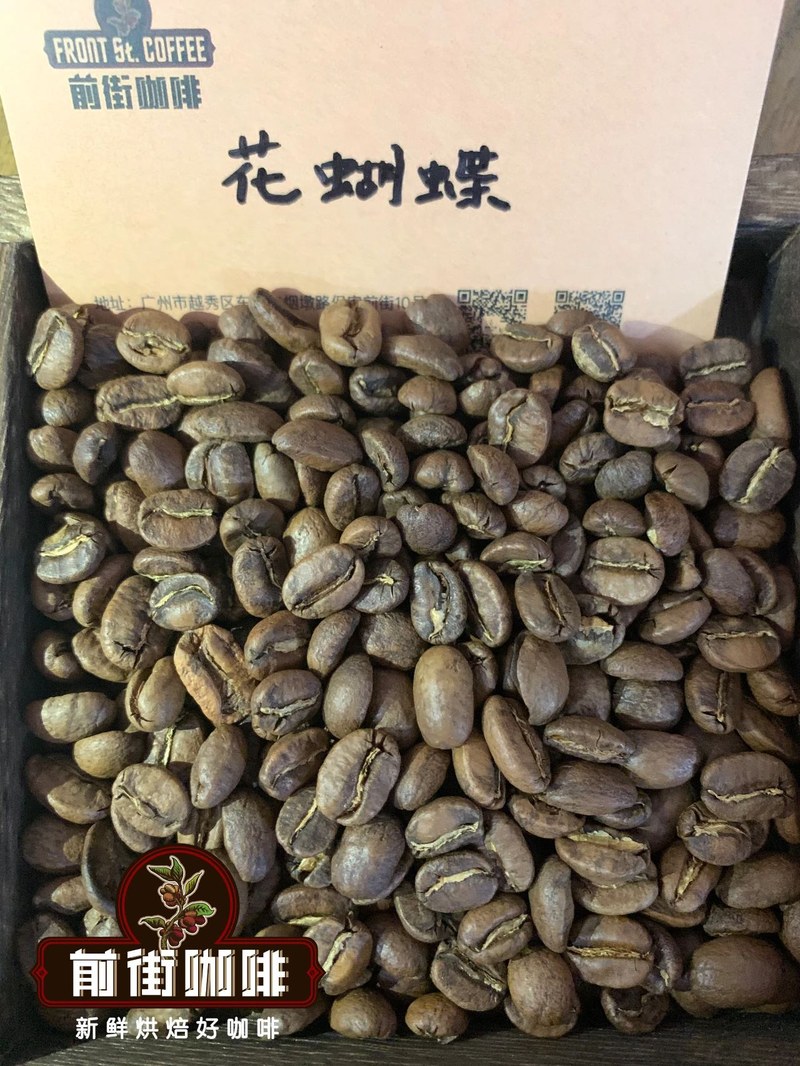
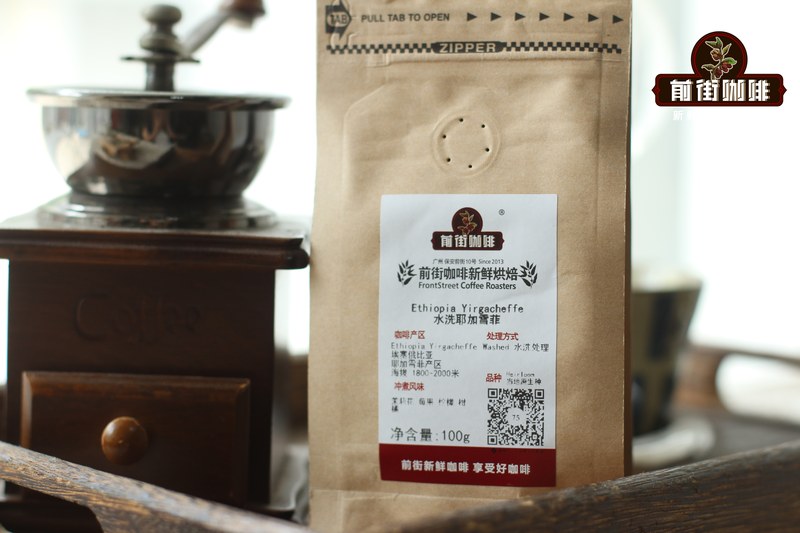
When choosing beans, besides looking at the origin, you should also choose according to the strength you prefer. The dry-hot river valleys of Yunnan give the small-bean variety soft nuttiness, brown sugar sweetness and a slight plum acidity, with an overall temperament that is warm, gentle and elegant, very suitable for making a cup of black coffee with moderate strength and a clear texture. Friends encountering this region for the first time are very well suited to taking home a bag of Qianjie Yunnan small-bean coffee at medium roast.
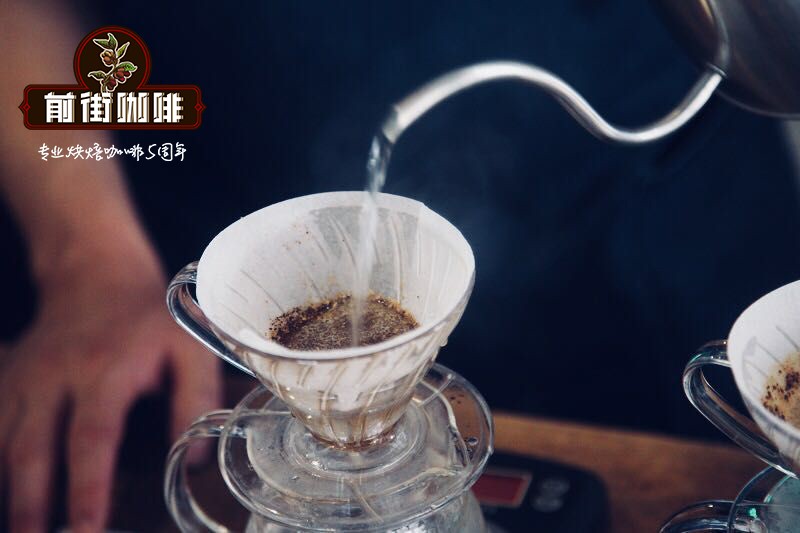
When brewing this bag of Qianjie Yunnan small-bean coffee, standard pour-over parameters are recommended: take 15g of coffee grounds, use a 1:15 coffee-to-water ratio, and prepare to pour 225ml of water. First pour 30ml of water and bloom for 30 seconds to fully release gas, then pour in stages, keeping the total time at around 2 minutes. The coffee extracted this way is pleasant in strength, and you can taste clear plum sweetness and acidity, along with a long finish of herbs and brown sugar.
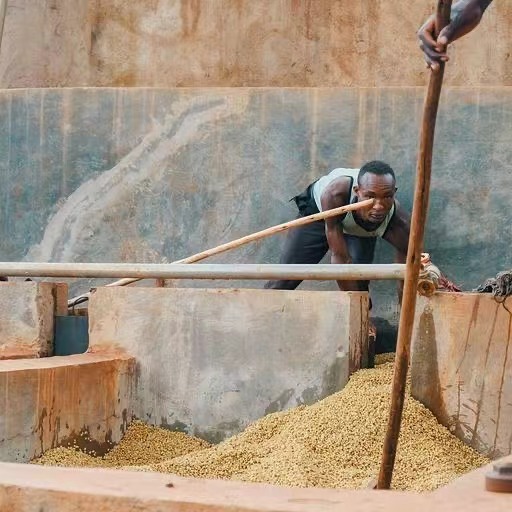
If you prefer a clearer, brighter fruity acidity with more layers, Qianjie washed small-bean Catimor coffee is a good choice for savoring. The washed processing method amplifies the cleanliness of the green beans, and the dry aroma reveals berry and nut notes. Because Catimor beans are dense, using a water temperature of 90 degrees can steadily draw out the nutty sweetness of the middle section and the balanced plum acidity, while the slightly lower strength makes the black-tea-like sweet aftertaste more vivid and lingering.
If in the morning you crave rich oils and a smooth milk coffee even more, the high extraction of single-origin beans often tends to taste thin, and at this point a blend is suitable. Qianjie Black Cocoa Blend coffee beans are composed of Yunnan small beans and Brazil Cerrado. The Brazilian beans build a mellow nutty base, while the Yunnan small beans add lively citrus acidity and black chocolate aroma, making it naturally suited to being drunk strong.
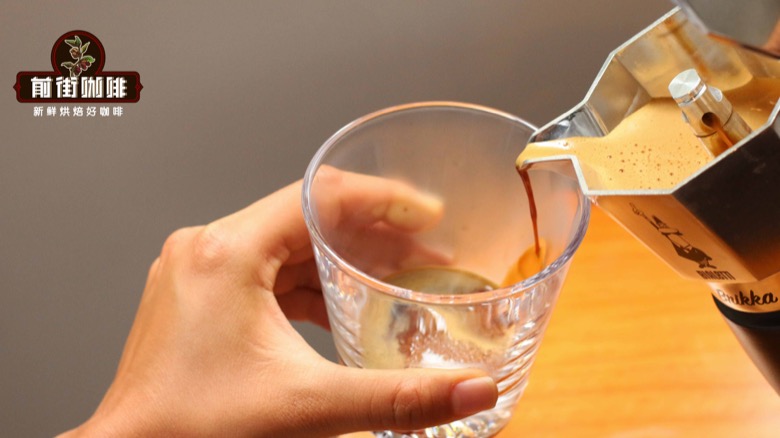
When extracting this bag of Qianjie Black Cocoa Blend with a professional coffee machine, use 18 to 19g of coffee grounds and extract 36 to 38g of espresso in 25 to 28 seconds. Diluted directly with water to make an Americano, the taste is especially balanced in acidity, sweetness and bitterness; if milk is added to make a latte, the almond and creamy smoothness immediately wraps around the tongue. By choosing the right beans according to the strength you like and dialing in the parameters accurately, everyday coffee drinking can always feel reassuring and dependable.
Related Reading

Comments (0)
Loading comments...
You May Be Interested


Trending Reviews
Popular Videos

With you, wherever you are! We provide useful features to help you find new things you'll love






