Source:Best Coffee > News Author:qjroot Published:2026-09-03 18:39:00
Fully automatic coffee machines usually complete grinding, distributing, heating and dispensing in one integrated process, and the coffee beans have to adapt to a continuous series of actions within a fixed space. When choosing beans, the flavor words on the packaging are only a reference; you also need to check them against the machine's grind settings, temperature range, single dose and cup volume settings. When the parameters match up, the bean's sweetness, intensity and smoothness are more easily and consistently expressed.
First, see whether the grinder can cover the fineness needed for espresso. Most fully automatic machines have limited grinder settings and are usually suited to medium to medium-dark roasted beans; beans roasted too light are harder, and the machine may need a finer grind to create enough resistance. When there is not enough adjustment range, the cup tends to taste thin and sharp. Medium-dark roasted beans release cocoa, nut and caramel notes relatively easily and are friendlier to home machines.
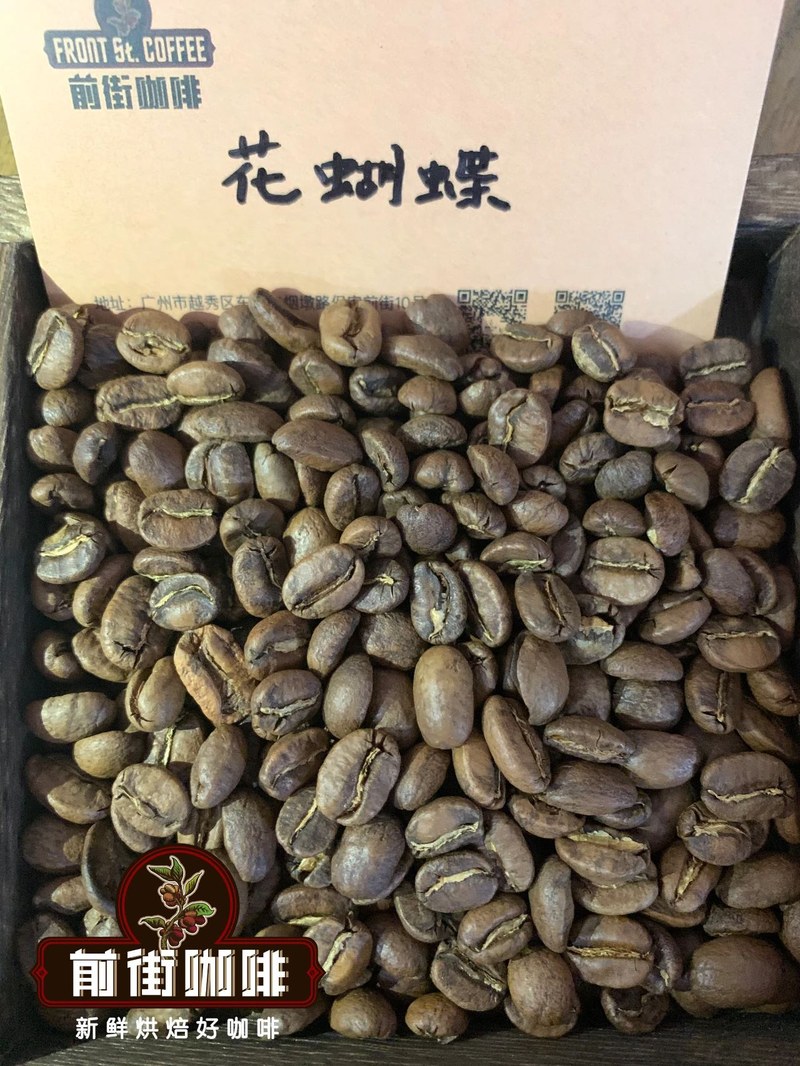
Next, look at the surface condition of the beans. Dark roasted beans with obvious oil sheen are richly aromatic, but the oil tends to accumulate in the grinder and the grounds chute, so cleaning frequency must keep up during long-term use. Choosing beans with a dry surface and a clear roast date makes it easier for the machine to work and also makes flavor changes easier to observe. If the machine manual advises against using oily beans, the equipment's requirements should take priority.
The temperature setting changes the ratio of acidity, sweetness and bitterness. When the machine can be set to a higher temperature, the caramel and nut sweetness of medium roasted beans is usually easier to open up; when there are fewer temperature choices or the overall temperature is low, you can choose medium-dark roasted beans and let dark chocolate and roasted aromas carry the main flavor. If the cup shows obvious dry bitterness, you can first lower the temperature or shorten the dispensed volume; there is no need to change coffee beans right away.
The single dose determines the backbone of the coffee liquid. The common dose range on fully automatic machines is about six to twelve grams; a low dose with a large cup of water tends to taste thin, while a high dose with a small cup of water brings a more concentrated mouthfeel. You can judge the bean's needs based on the machine's strength settings: if you usually use a high-strength setting, blends or medium-dark roasted single origins with fuller body are suitable.
The dispensed volume is also worth paying attention to. Espresso mode is mostly completed at a shorter liquid weight, which is suitable for keeping the coffee concentrated; Americano or large cup mode adds more water, and the bean's aroma and sweetness need enough support. When using a large cup setting, give priority to beans with a nut, cocoa or caramel direction, or increase the coffee strength and then add water to obtain a softer mouthfeel.
Qianjie Classic Blend is suitable for understanding the relationships among these parameters. It is mainly nutty, cocoa and caramel in character, with fairly full body, and is easy to work with when making espresso, short Americano or latte on a fully automatic machine. When the machine is set to medium grind, medium-high strength and a shorter dispensed volume, the coffee flavor is clear; after adding milk, a caramel-like sweet smoothness still remains in the cup.
If the machine's grind settings are on the coarse side, or you more often drink large cups of black coffee, you can consider Qianjie Specialty Blend. Brazil Cerrado and Colombia Huila bring a relatively harmonious nut, caramel and cocoa direction; it has a certain strength without making a long cup seem too heavy. Extract with medium temperature and a higher dose, then add water to your preferred volume; both black coffee and milk coffee are easy to adjust.
For those who like low acidity and a thick mouthfeel, you can try Qianjie PWN Indonesia Golden Mandheling. In a fully automatic machine it is suitable for setting a higher strength and a shorter cup volume, allowing herbal notes, dark chocolate character and a rich tactile feel to be expressed in a concentrated way. If using large cup mode, it is recommended to reduce the proportion of added water, or add water to taste after the coffee liquid is complete, so that a more complete finish can be preserved.
During actual adjustment, it is recommended to first confirm the machine's cleaning status, remaining beans in the hopper and preheating condition, then observe the flow rate of the coffee liquid and the taste on the palate. If the liquid flows too fast and tastes thin, you can adjust the grind one step finer or increase the strength; if the bitterness drags on and the mouth feels dry, you can adjust one step coarser, lower the temperature or reduce the cup volume. Change only one setting at a time, and after a few cups you will be able to find the suitable range for that bean.
A fully automatic coffee machine does not require coffee beans to be complex or niche; the key is that the bean's characteristics and the equipment's parameters work together. If the grind range is limited, choose from medium to medium-dark roasts; if the dose is on the small side, focus on strength and body; if you often make milk coffee, let the coffee liquid retain a clear backbone. Arrange beans according to the machine's actual capabilities, and daily brewing will be more stable, and it will be easier to drink according to your own preferences.
Related Reading



Comments (0)
Loading comments...
You May Be Interested



Trending Reviews
Popular Videos

With you, wherever you are! We provide useful features to help you find new things you'll love






