Source:Best Coffee > News Author:qjroot Published:2026-10-09 09:34:21
The moka pot and the espresso machine actually share the same working principle: both rely on steam pressure to push hot water through a bed of ground coffee to extract a highly concentrated coffee liquid. So coffee made with a moka pot can indeed reach 70 to 80 percent of the concentration of a cafe espresso, which is also why many people treat it as a home substitute. With this concentration as a foundation, adding milk or diluting with hot water lets you make decent-looking lattes and americanos at home, without envying those who own espresso machines.
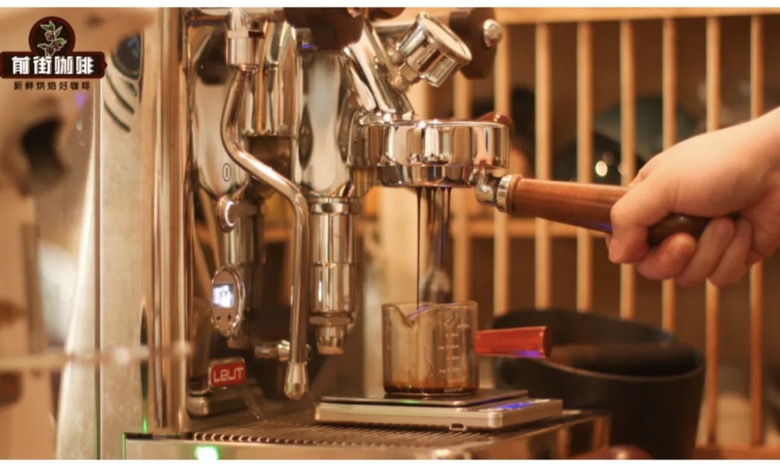
However, beginners often have a misunderstanding, thinking it is enough if the amount of liquid the moka pot produces is roughly similar to espresso. In reality, an espresso machine uses 18 to 19 g of grounds to produce 36 to 38 g of liquid, while a moka pot with the same dose of grounds often produces more liquid that is also more diluted. To make flavored coffee that is not watery, the key is to raise the concentration of the moka pot coffee itself, and the way to raise concentration is not to add more grounds, but to reduce water and boost efficiency.
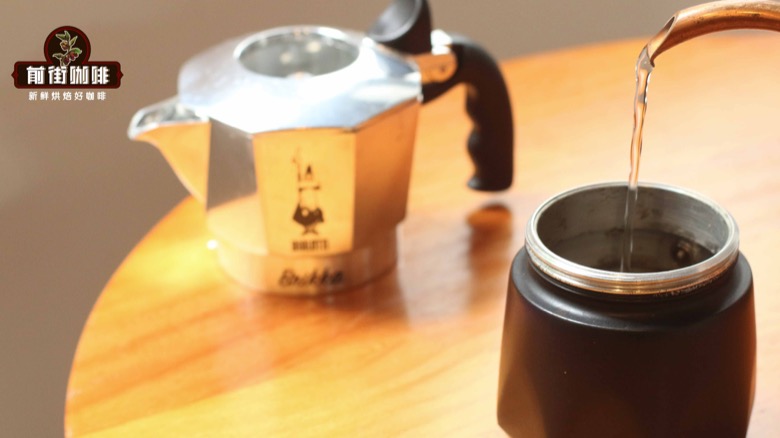
In practice, fill the bottom chamber with 80 to 140 ml of water, keeping the water level about half a centimeter below the safety valve, fill the filter basket level and scrape it flat without tamping, and set the grind to a fine-salt texture. Heat over medium-low heat, keeping the whole flow of liquid between 1 minute 15 seconds and 2 minutes 30 seconds. When you hear the pot start to make noise and the coffee is about to surge out, turn off the heat immediately and let the residual heat of the stove slowly push out the remaining liquid. The coffee extracted this way is smaller in volume but solid, with a more pronounced oily mouthfeel, so it will not be watered down when you add milk later.
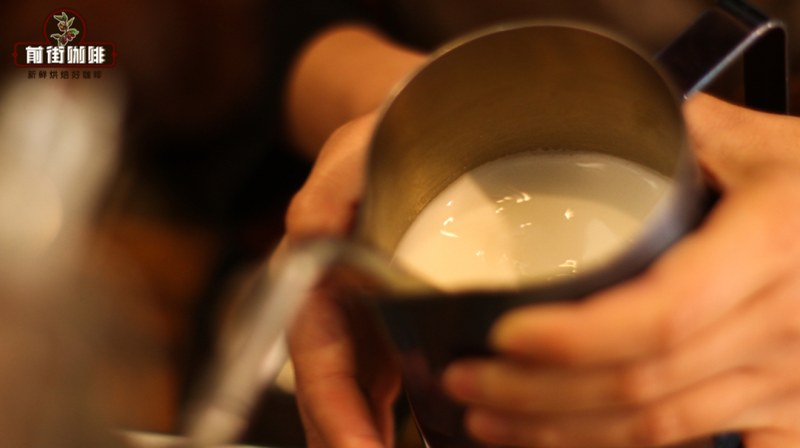
For a hot latte, it is recommended to mix the coffee and milk at a ratio of 1 to 4, for example 45 ml of extracted espresso paired with 180 ml of steamed hot milk. This ratio lets the coffee flavor penetrate the milk layer, so it tastes both of coffee aroma and of a smooth sweetness. As for bean choice, medium-dark roasted blends are especially suitable, with enough body and low acidity, and when blended with milk they produce a sweet aroma resembling chocolate or nuts.
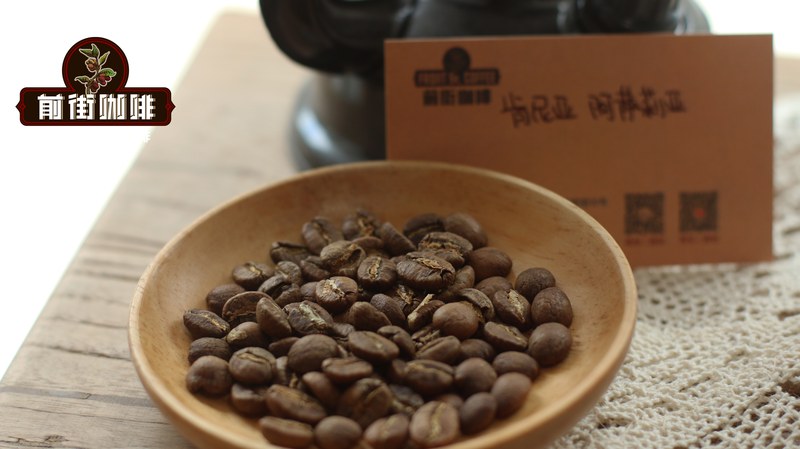
Here the Qianjie Black Cocoa Blend is especially recommended. This bean features a creamy cocoa flavor, has very solid body, and shows rich oils; after adding milk, its chocolate character is noticeably amplified, making a moka pot latte stunning. Another one, the Qianjie Autumn Chestnut Blend, is equally outstanding, with a flavor base of roasted chestnut and caramel, a thick and full mouthfeel, and a hazelnut aroma in the finish, suiting friends who like a traditional rich style. Both are designed for milk coffee scenarios, so beginners need not agonize over pairing and can simply use them and be safe.
If you want to make an americano, the idea is similar: first extract a highly concentrated moka pot coffee, then add hot water at a ratio of 1 to 4 or 1 to 5. For example, 45 ml of espresso mixed with 180 to 225 ml of hot water, stirred lightly, becomes a clean and refreshing cup of black coffee. Here single-origin beans can also come into play: the medium-dark roast of Qianjie PWN Qianjie Mandheling brings a rich roasted aroma, the low-acid balance of Qianjie Queen's Estate, or the thick body of Qianjie Colombia Huila can all present good layers when made into an americano.
Qianjie Brazil Cerrado is also worth trying; its smooth mouthfeel makes the americano rounder and more harmonious, without any jarring sharpness. But no matter which bean you choose, the core is to first make the moka pot coffee concentrated enough, otherwise the flavor easily dissipates after adding water. Remember that key action: turn off the heat when half the liquid has come out and finish extraction with residual heat. This is the secret to a slow and steady flow of coffee, and also a detail that easily separates beginners from skilled brewers.
The color of the milk coffee can also help you judge whether the concentration is right. A qualified moka pot latte should have a uniform light brown surface, close to the color of a cafe espresso latte, rather than looking gray or clearly separated. When drinking it, the chocolate sweetness of Qianjie Black Cocoa Blend runs throughout, while the caramel finish of Qianjie Autumn Chestnut Blend stays deep in the throat. Although the silkiness is slightly inferior to a commercial espresso machine, it is absolutely free of any watery feel and is entirely presentable in a home setting.
In the end, the barrier to making flavored coffee with a moka pot is not high; the point is to understand concentration as the core variable. Reduce water, control heat, and extract with residual heat: get these three steps right, and pair them with a bean that has rich oils and solid flavor, and your home stove becomes a small coffee bar. Qianjie Black Cocoa Blend and Qianjie Autumn Chestnut Blend have already eliminated the cost of trial and error for you; all that is left is to brew a pot and feel that grounded aroma brought by steam pressure.
Related Reading


Comments (0)
Loading comments...
You May Be Interested



Trending Reviews
Popular Videos

With you, wherever you are! We provide useful features to help you find new things you'll love






