Source:Best Coffee > News Author:qjroot Published:2026-09-22 13:54:40
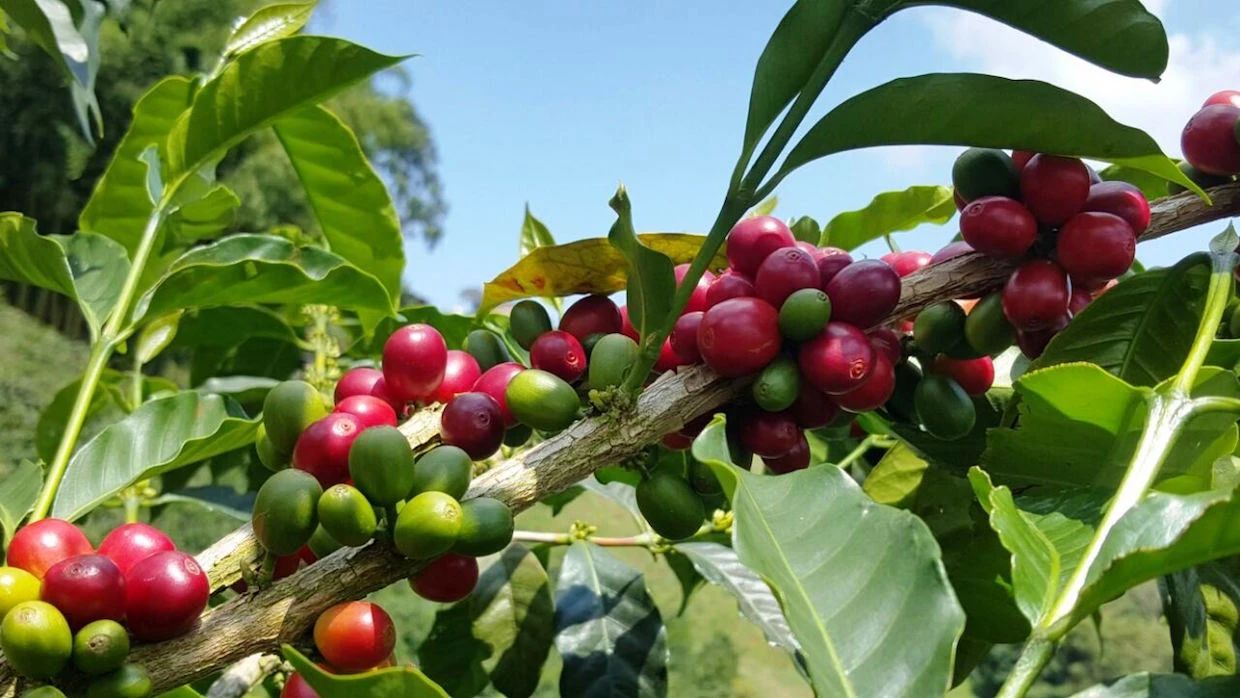
Many people who are just getting into coffee always have a concern: they worry that drinking too much coffee means too heavy a caffeine load, leaving them tossing and turning at night. In fact, there is a simple little trick for choosing this kind of bean: look for high-altitude-grown Arabica varieties. High-altitude growing regions have large day-night temperature differences, and the coffee fruit ripens slowly, which not only accumulates rich, solid floral and fruity aromas, but also has a relatively lower natural caffeine content, making it feel especially light and pleasant to drink.
The unique microclimates of the world's major coffee regions happen to build a vivid flavor map for us. Friends who like a clear, bright sweet-and-sour sensation should definitely set their sights on African regions. Qianjie Washed Gededing Cooperative Coffee is a representative work of Yirgacheffe; the meticulous washed processing gives the flavor a very clean base. Under a medium-light roast, it gives off elegant white floral and citrus notes, brewing into something like a cup of warm citrus green tea.
If you want a richer, more abundant fruitiness, Qianjie Natural Huakui Coffee from Sidamo, Ethiopia, will amaze you. Plenty of sunlight combined with natural fermentation gives the coffee beans a wonderful ripe tropical fruit character. When brewed hot, you can smell bright strawberry and mango sweetness; as it slowly cools, a blueberry-like berry sensation interweaves with citrus sweet-and-sour notes, advancing layer by layer, making it especially suitable for quietly enjoying in the afternoon.
Bidding farewell to Africa's soaring brightness, the Central and South American regions show an especially balanced and gentle posture. The high mountain valleys here are shrouded in clouds and mist year-round, and the microclimate is mild and suitable; the beans produced usually have the warm texture of nuts, cocoa and toffee, with extremely soft acidity. If you are not usually used to bright fruit acidity and just want to steadily drink a cup of smooth, fragrant black coffee, the terroir of Central and South America is a choice that will not go wrong.
Colombia's high-altitude mountains have nurtured this classic temperament, and Qianjie Washed Huilan Coffee is a benchmark among them. This batch of beans is uniform and plump, and after roasting it releases very rich dark chocolate and hazelnut aromas. When extracted with hot water, a creamy, silky texture slides down the throat, the gentle slight acidity is wrapped in abundant caramel sweetness, and the finish is mellow and long, making people feel especially calm and grounded.

Coffee drinkers who like deep, heavy flavors should turn their eyes to Asian terroir. Indonesia's hot, humid, rainy environment has given rise to the unique wet-hulled processing method, and Qianjie PWN Golden Mandheling Coffee is precisely the crystallization of this terroir. After three strict rounds of hand and machine sorting, defective beans are removed, making the herbal, spice and woody sweet aromas more prominent and pure. Its body is full and solid, its richness is deep, and its finish is sweet and lingering.
Qianjie Yunnan Small-Bean Coffee, also from an Asian region, takes another smooth and gentle route. Through medium roasting, it shows a warm base note of roasted nuts and caramel chocolate, and with careful tasting you can also detect a comfortable hint of herbal freshness and extremely faint fruit acidity. The overall mouthfeel is smooth and sweet, without any sharpness, making it especially comfortable and approachable whether drunk on an empty stomach or paired with breakfast.
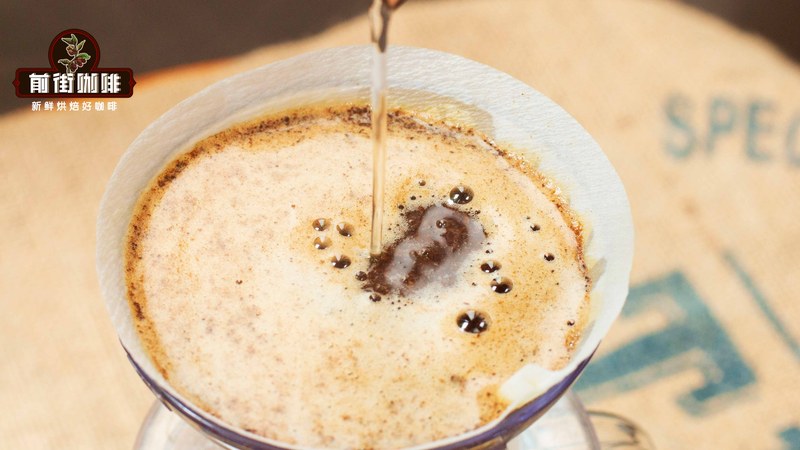
If you want to brew these terroir aromas cleanly and gently at home, a suitable set of pour-over parameters is essential. Prepare 15 g of fresh coffee beans ground to medium coarseness, control the water temperature at around 90 degrees, and use a 1:15 coffee-to-water ratio, pouring 225 ml of water. First use 30 ml of hot water to fully bloom for 30 seconds to awaken the flavors, then pour evenly in two stages, keeping the total extraction time for the whole pot at around two minutes.
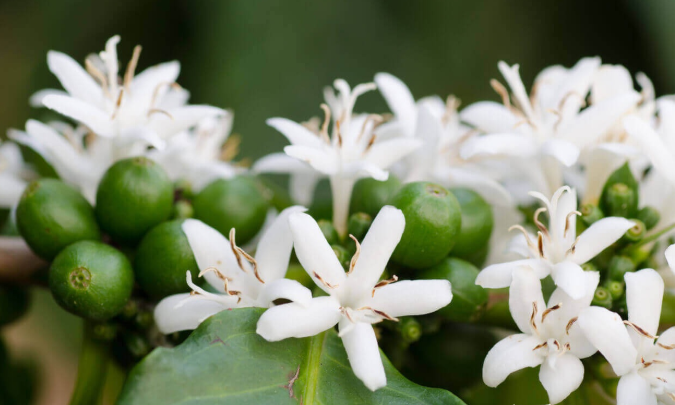
The beauty of pour-over is that as long as you follow the terroir characteristics of different regions, even if you are pursuing a lighter drinking experience, you do not need to compromise with a weak taste. From bright Ethiopian floral and fruity notes, to gentle Colombian cocoa, to steady Mandheling herbal notes, as long as you choose high-altitude Arabica beans according to your own preferences, you can drink pure flavor without any worries in the bubbling coffee liquid.
Related Reading


Comments (0)
Loading comments...
You May Be Interested




Trending Reviews
2019-07-31
Popular Videos

With you, wherever you are! We provide useful features to help you find new things you'll love






