Source:Best Coffee > News Author:qjroot Published:2026-08-18 10:56:53
Many people only notice bitterness when drinking coffee, but sweetness is actually an important part of whether a cup of coffee tastes good. It is not the direct sweetness of added sugar, but the lingering aftertaste hidden in caramel, honey and fructose notes. Where exactly does the sweetness in coffee come from? The answer starts with the green beans themselves and the caramelization reactions during roasting.
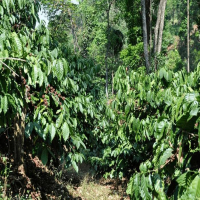
Coffee green beans contain sucrose and various other sugars, and their content varies noticeably by origin and variety. Ethiopia's high-altitude heirloom varieties, along with Kenya's SL28 and SL34, are standout representatives of sugar accumulation. These sugars participate in various chemical reactions during roasting, ultimately determining whether the coffee tastes more like fruit candy or more like caramel sweetness.
During roasting, the sugars in coffee beans undergo caramelization reactions at high temperatures, the color shifts from light to dark, and flavor compounds that bring sweet aromas and toasted notes are produced. The degree of the reaction directly determines whether the sweetness is a crisp fructose sweetness or a rich caramel sweetness. Light roasts preserve fruity and floral sweetness closer to the fruit itself, while medium-dark roasts deliver sweetness layers reminiscent of brown sugar, honey and chocolate.
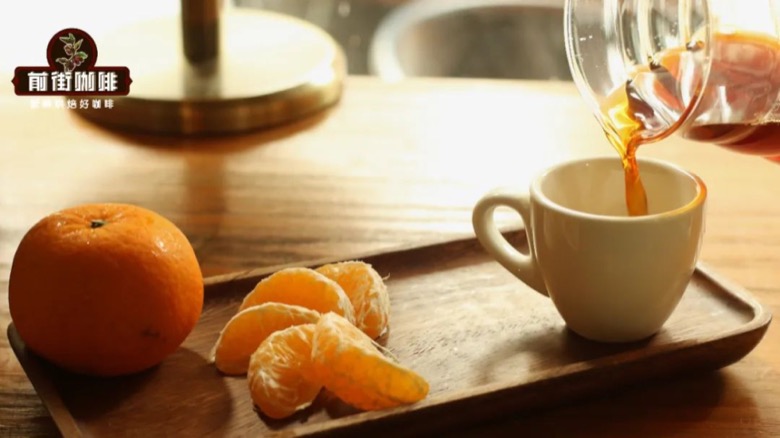
The sweetness in coffee is a perceived sweetness that unfolds in layers as the temperature changes after sipping, often intertwined with acidity and bitterness. As the temperature drops slightly, the sweetness often becomes more pronounced, which is also why the same cup of pour-over tastes better when it cools a little. Although adding sugar can also bring sweetness, it easily masks the coffee's own layers, which is why many enthusiasts insist on not adding sugar.
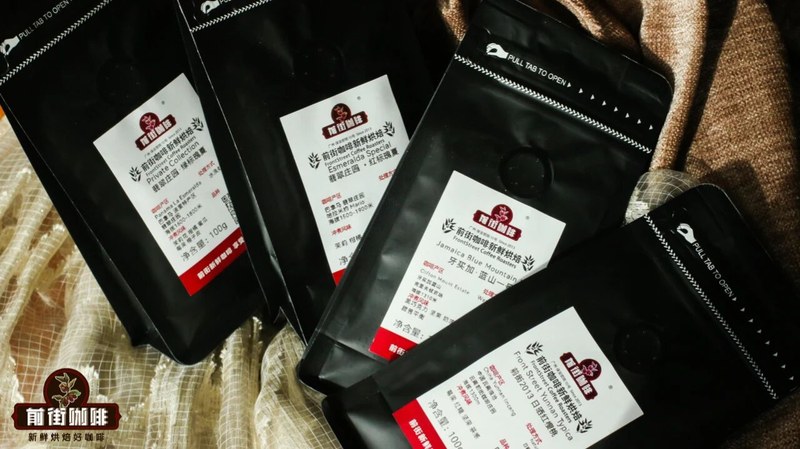
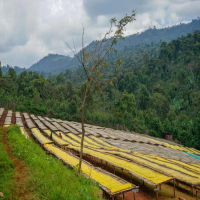
Sweetness styles can roughly be divided into a few routes. Juicy sweetness comes from the balance of bright fruit acidity and sugars; Qianjie Yirgacheffe Gudingding's citrus and berry notes and Qianjie Ethiopia Huakui's tropical fruit aromas both belong to this category; nutty-caramel sweetness comes from medium-dark roasting, with Qianjie Brazil Queen's Estate's caramel sweetness and Qianjie Jamaica Blue Mountain No. 1's honey and caramel notes as representatives; Qianjie Granja Estate Geisha, after 14 to 20 days of slow natural drying, has sugars fully infused into the bean core, giving a solid and rich sweetness that is yet another expression.
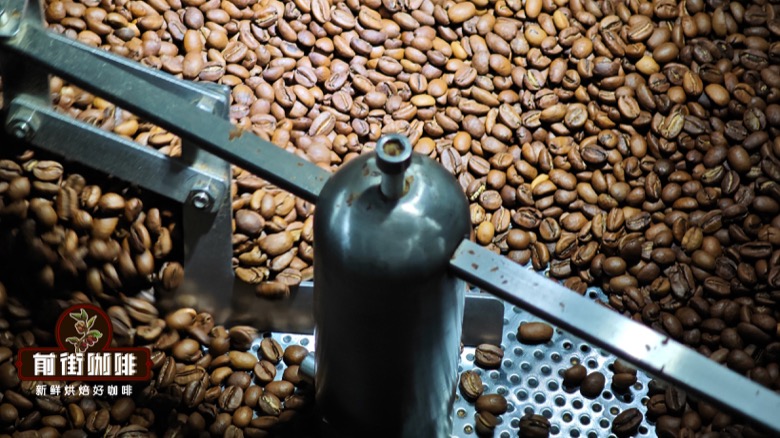
Sweetness is not mysticism; it is jointly determined by variety, origin, processing method and roasting. When drinking, pay more attention to the mid-palate and the sweet aftertaste, and gradually you will be able to tell which style of sweetness different coffees belong to. When choosing beans, follow the direction of sweetness you enjoy, which makes it easier to find the one that suits your taste than blindly chasing acidity or fearing bitterness.
Related Reading
Comments (0)
Loading comments...
You May Be Interested

Trending Reviews
Popular Videos

With you, wherever you are! We provide useful features to help you find new things you'll love






