Source:Best Coffee > News Author:qjroot Published:2026-09-19 12:46:15
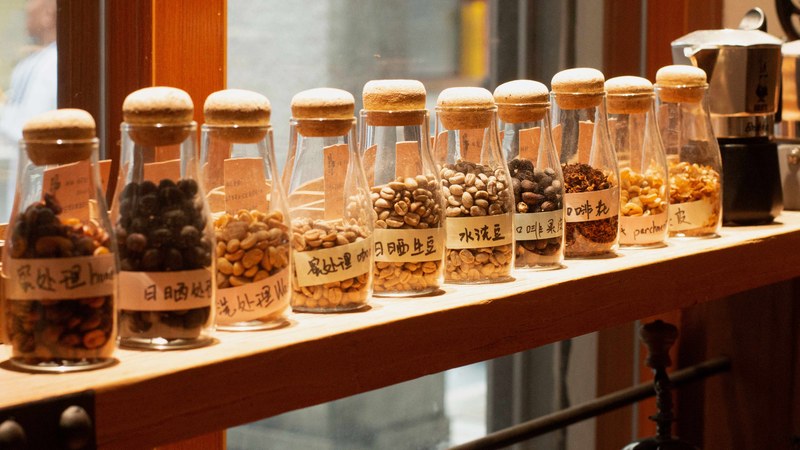
A moka pot works by steam pressure, and if you want a golden, dense crema layer, the carbon dioxide and lipids in the beans play a decisive role. And standing in front of the coffee bean shelf, the most critical fork in the road is whether to go the blend route or the single origin route. Understanding the structural differences between the two, and grasping the flavor ratios and roasting orientations, can directly help you pick out the bag of beans with rich crema and aroma that suits your taste.
The original design intent of traditional blend beans is the pursuit of rich crema and balanced flavor. Roasters usually select two to three beans from different origins to combine, using the complementary characteristics of different processing methods or varieties. For example, if you see a relatively high proportion of natural process on the recipe list, or more Central and South American origins marked, it often means this bag of beans has solid lipid performance and smoothness, and its oil secretion performance is naturally reassuring.
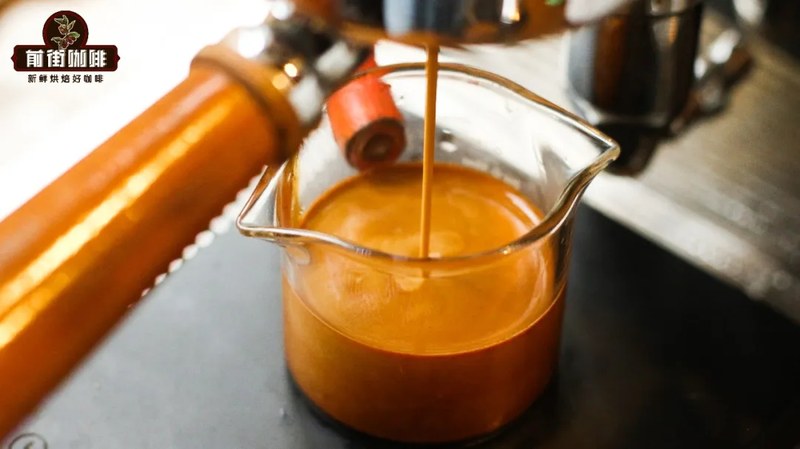
Qianjie Black Cocoa Blend is a very typical representative of traditional dark roast blends. Its recipe focuses on amplifying the flavor base of roasted nuts and rich cocoa. Because the beans are fully roasted and filled with internal carbon dioxide, when high-pressure steam passes through the coffee bed it can quickly emulsify a thick layer of golden foam. When brewing with a moka pot, use 110ml of 88°C hot water in the lower chamber in a single-stage single pour, fill the filter basket evenly with 18g of coffee grounds, heat over medium-low heat for 1 minute 40 seconds, and you can collect a cup of rich, mellow coffee liquid with an oily sheen.
The rich liquid extracted from this blend bean has low acidity and full-bodied sweetness, making it very suitable for home milk coffee. When the coffee liquid with thick crema is poured into hot milk, the cocoa aroma can easily penetrate the milk fat, and when made into a latte the flavor profile is clear and full. If your main goal is that morning cup of rich, milky coffee, choosing this type of traditional blend route with heavy crema and heavy balance can be said to be a quite reliable option.
Another widely praised category is balanced composite beans, such as Qianjie Classic Blend. This bean balances caramel sweetness and nutty mellowness in its recipe, and the crema is likewise rich and fine, but the mouthfeel has a touch more warmth than deeper roasted styles. Under moka pot extraction, use 120ml of 90°C hot water in the lower chamber in a single-stage single pour, fill the filter basket with 17g of grounds, heat over medium-low heat for 2 minutes 10 seconds, and the flowing liquid surface will be covered with fine golden bubbles.

This type of balanced blend can be sipped directly as espresso in small mouthfuls, and is also suitable for adding warm water to make a smooth hot Americano. When the crema layer spreads across the cup surface, caramel and cocoa aromas rush to the nose, and the entry is gentle with no sharp off-notes. It suits friends who need a stable daily staple, who sometimes want to drink black coffee and sometimes want to make milk coffee, and without any painstaking adjustment of the heat you can get a satisfying crema texture.
Compared with the stable, solid blend route, single origin beans, also commonly called SOE, bring a completely different flavor experience to the moka pot. Single origin beans emphasize the individual expression of a single origin, a single estate, and their crema thickness is often directly tied to the roast level and bean density. Light roast single origins usually have relatively thinner crema that dissipates a bit faster, while medium or medium-dark roast single origin beans can likewise show beautiful lipid foam in a moka pot.
If you want to balance crema feel and origin character in a single origin bean, choosing a bean with a flavor leaning toward roundness and low acidity is a wise choice. Qianjie Papua New Guinea Paradise Bird is a single origin representative with a gentle style, featuring soft sweetness and a clean touch. When extracting it with a moka pot, use 100ml of 85°C warm water in the lower chamber in a single-stage single pour, place 16g of ground coffee in the filter basket, heat steadily over low heat for exactly 2 minutes, and a layer of light golden crema with a nutty aroma will surface.
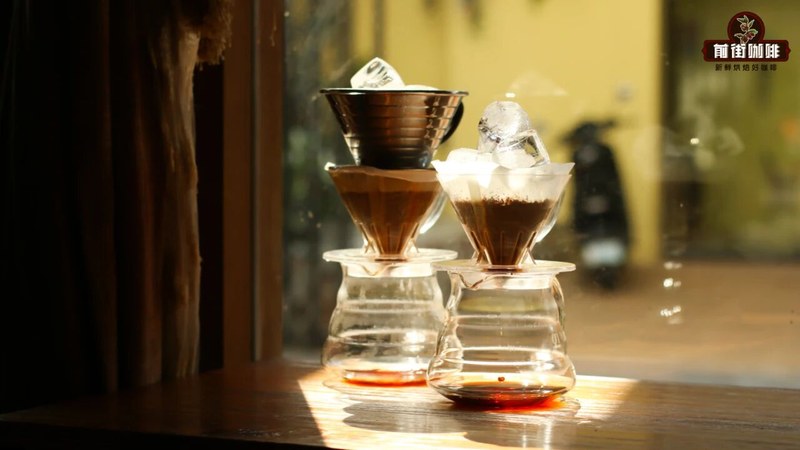
For this type of single origin bean with prominent origin character, if you switch to pour-over equipment, you can also clearly appreciate its other side. When using a pour-over dripper, weigh out 15g of coffee grounds, use 90°C water, and with a 1:15 coffee-to-water ratio pour a total of 225ml, with a total time of 2 minutes 15 seconds, using three-stage pouring: first pour 30ml and bloom for 30 seconds, then steadily pour to 130ml, and in the final stage pour to 225ml to finish. The whole cup of coffee will show an especially clear sweetness.
Once you understand the recipe structure and origin descriptions on the bean bag, you have a clear direction for choosing beans. If you pursue a thick, creamy, long-lasting crema and usually like to add milk to make rich drinks, choosing a dark roast or nutty-cocoa-toned blend option fits especially well; if you want to feel the sweet charm of a single estate and are reluctant to give up the moka pot's high-concentration mouthfeel, a medium-dark roasted gentle single origin can bring you just the right surprise.
Related Reading

Comments (0)
Loading comments...
You May Be Interested




Trending Reviews
Popular Videos

With you, wherever you are! We provide useful features to help you find new things you'll love






