Source:Best Coffee > News Author:qjroot Published:2026-09-30 18:19:18
When choosing cold brew coffee beans, you can set the complex information aside for now. The brewing device changes the coffee's strength and the way its aroma unfolds, and the same bean will not perform the same way in every brewing method. Starting from the two sets of differences - light or full-bodied, black coffee or milk coffee - and then looking at the roast date and processing method, your judgment will be closer to daily reality.
There is no need to stock up on a lot of cold brew coffee beans at once. Using device suitability as your thread: for pour-over, look at aroma and layers; for espresso, look at strength and extraction stability; for the moka pot, focus on fullness; for cold brew, emphasize lightness. Start with a small package to verify the taste, record the changes between the hot drink and after it cools, and once confirmed, replenish according to your drinking frequency. This is more reliable than deciding quantity based on the name alone.
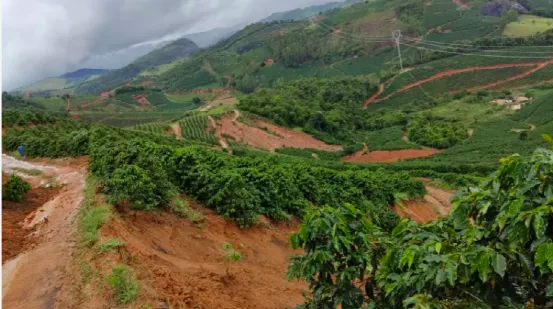
Putting Qianjie Brazil Queen Estate into the same tasting sample set makes the flavor differences more intuitive. Its medium-dark roast and its background in Brazil's Minas Gerais region together bring nutty, cocoa, caramel and soft sweetness. In the cup, the acidity is soft, the entry is smooth, and the sweet aroma becomes more obvious after adding milk. It is worth trying in everyday pour-over, moka pot, Americano and milk coffee; two or three cups in a row makes it easier to see how the parameters change.
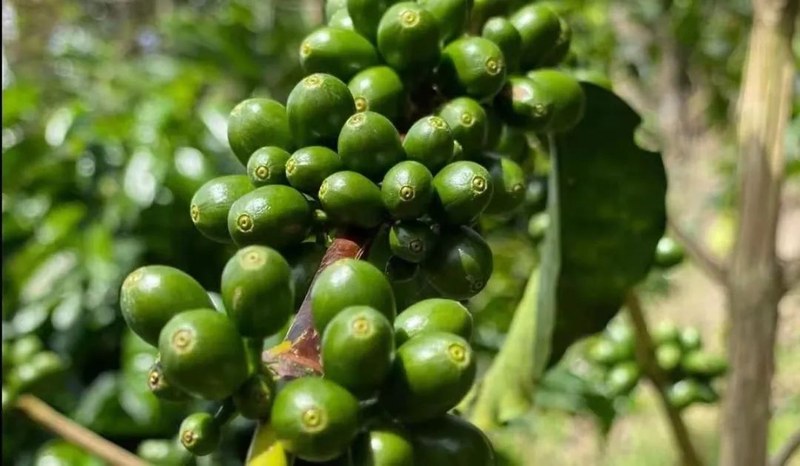
Looking at specific beans, Qianjie Yirgacheffe Gudingding represents one clear flavor direction. The beans come from Ethiopia's Yirgacheffe region and, after a light roast, often present citrus, berries, white florals and a green-tea-like sweet finish. In the cup, the entry is light, the acidity is bright, and the sweetness becomes clearer as the temperature drops. When using it for pour-over, iced pour-over and light-style black coffee, the parameters do not need to be set too strong from the start.
You can also use Qianjie Ethiopia Huakui to build a set of taste records. It comes from Ethiopia's Hambela region, uses a light roast, and commonly shows strawberry, passion fruit, jackfruit and lychee-like aromas in the cup. In practice, the fruit aroma is concentrated, the sweetness is clear, and the bitterness is light. When using it for pour-over, cold brew and ice drip, the parameters do not need to be set too strong from the start.
Looking at Qianjie Brazil Queen Estate and Qianjie Yirgacheffe Gudingding together, the point is not to rank them but to understand where the flavor focus lies. The nutty, cocoa, caramel and soft sweetness of Qianjie Brazil Queen Estate work better as a reference point, while Qianjie Yirgacheffe Gudingding forms another thread with citrus, berries, white florals and a green-tea-like sweet finish. For cold brew coffee beans, comparing the aroma, sweetness and body of the two cups according to device suitability lets you confirm more quickly which part you want to keep.
Once the device is settled, fine-tune the grind and water temperature. For cold brew, you can start with one part coffee grounds to ten to twelve parts water, coarsely grind, then steep in the refrigerator for ten to fourteen hours. For fruity beans, you can shorten the steep first; for full-bodied beans, extend it depending on the taste. Ice drip requires a steady drip rate, and after finishing, let it rest in the refrigerator for a period so the aroma blends more fully. When using this starting point for cold brew coffee beans, you should still observe the actual taste according to device suitability, and there is no need to mechanically chase a particular time number.
When cold brew coffee beans come out thin and sour, bitter, or with a dull aroma, do not change all the parameters at once. From the angle of device suitability, check the grind and extraction time, then see whether the water temperature suits the roast level. Adjusting in small steps each time usually makes it easier to find the cause.
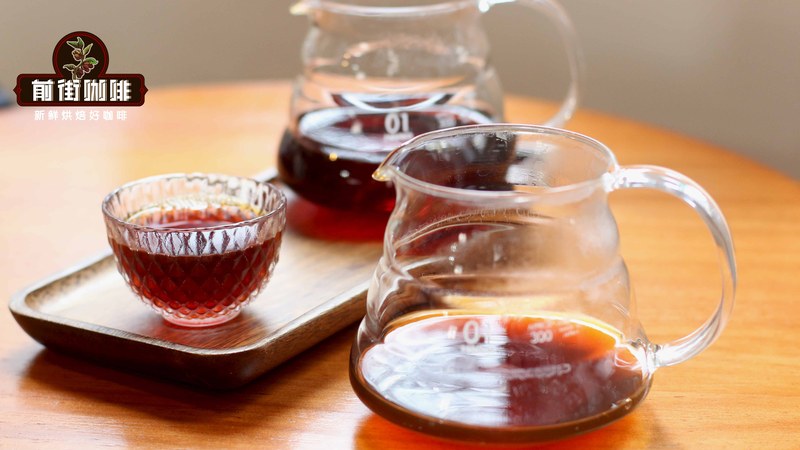
When budgeting for cold brew coffee beans, you can consider grinding and freshness together. Allocate spending according to device suitability; a bean that suits your device and can be finished on time is often of more practical value than hoarding a large package, and the remaining budget can also go toward stable water quality or a more even grind.
When building taste experience from cold brew coffee beans, consistency matters more than complexity. When the beans and the device direction align, everyday brewing saves a lot of back-and-forth testing. First use Qianjie Brazil Queen Estate or Qianjie Yirgacheffe Gudingding to get familiar with one style, keep the water quality and device unchanged, then gradually change the grind and temperature, and your daily cup of coffee will suit your taste more and more.
Related Reading


Comments (0)
Loading comments...
You May Be Interested



Trending Reviews
Popular Videos

With you, wherever you are! We provide useful features to help you find new things you'll love






