Source:Best Coffee > News Author:qjroot Published:2024-11-25 12:14:01
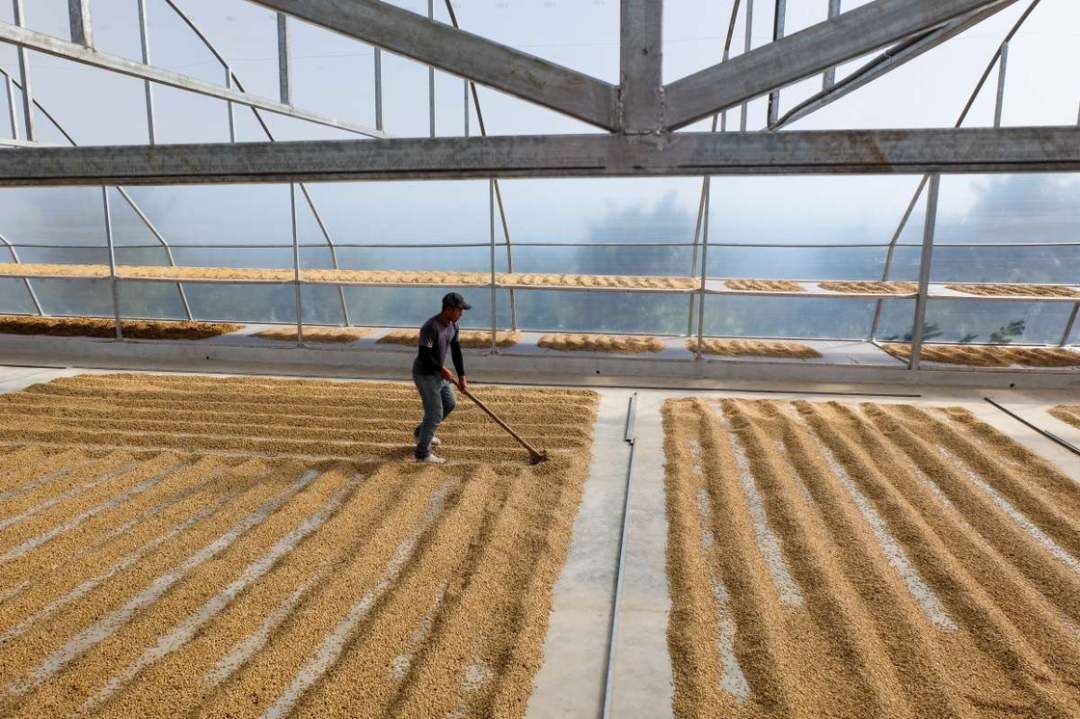
As one of the earlier countries in Central America to grow coffee, Costa Rica not only started its coffee industry early, but in order to maintain the country's good coffee quality, it also introduced strict legal regulations, listing Robusta as a prohibited coffee variety for cultivation.
The History of Coffee Cultivation in Costa Rica
According to information reviewed by Qianjie, the first coffee plant was brought to Costa Rica from Cuba in 1779, and the chapter of coffee cultivation here began soon after. By 1808, coffee had begun commercial production in Costa Rica, with about 17,000 coffee trees planted in plantations at the time. In 1821, Costa Rica formally broke away from Spain and began independence, and the coffee industry gradually became an important part of the country's economic income, continuing to this day.
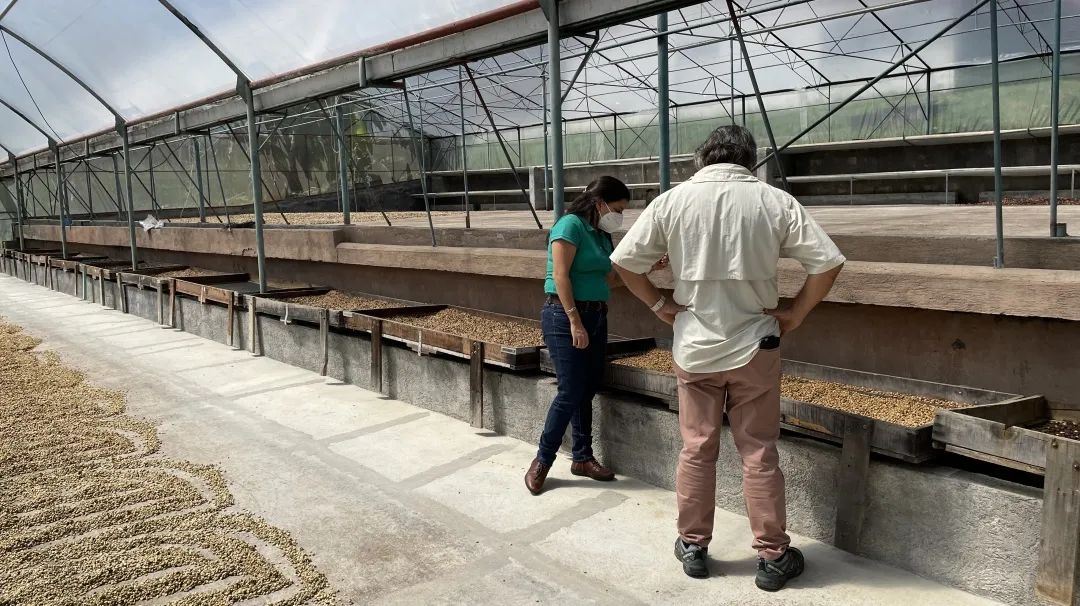
At first, the Costa Rican government recognized that coffee cultivation would bring benefits to both the country and its citizens, so it began to adopt a series of policies encouraging cultivation, including distributing coffee seedlings free of charge and allowing any farmer who planted coffee on surplus land for more than 5 days to apply for ownership of the land. In this way, with the strong support of the government, Costa Rica launched a very sensational "everyone grows coffee" campaign.
However, during World War II, Costa Rica's coffee industry went from prosperity to decline. Unstable factors such as the turmoil of war led the United Kingdom to stop buying coffee, which directly brought the golden era of the country's coffee exports to an end. In 1900, Brazil began to stir up waves in the coffee industry again, reducing Costa Rica's coffee prices to a certain extent. Soon afterward, origins such as Honduras and Guatemala also rose, becoming the leaders driving the development of the world coffee industry at the time. Obviously, compared with the prosperity of the coffee industries in other countries, Costa Rica's coffee cultivation situation was more difficult and perilous.
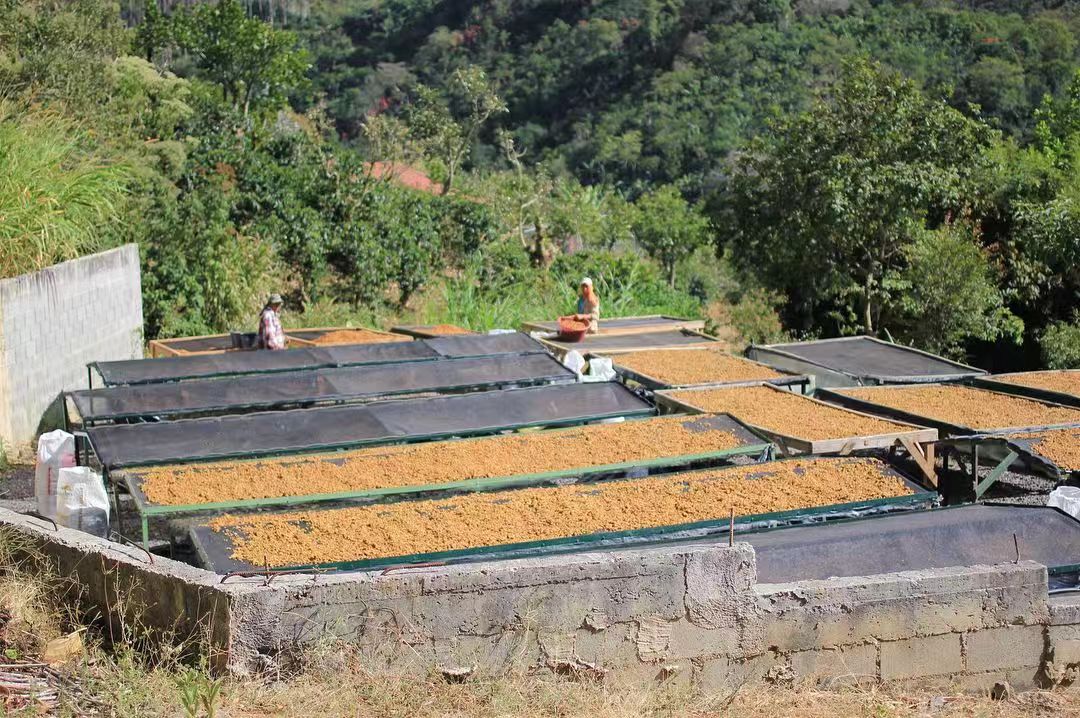
By 1989, the Costa Rican government formally passed a law: prohibiting the cultivation of inferior bean varieties and encouraging Costa Rican farmers to pursue coffee beans of truly excellent quality. This is why only Arabica has always been grown locally in the country.
It is worth mentioning that this decree was jointly decided and implemented by government departments and two well-known research institutes in Costa Rica. These two institutions are CATIE (Centro Agronomico Tropical de Investigacion y Ensenanza, a central American agricultural research center composed of multiple countries) and ICAFE (Costa Rican Coffee Institute). CATIE was established in 1942, while ICAFE was founded earlier, in 1933. They not only contributed to coffee cultivation in Costa Rica, but even made outstanding contributions to coffee throughout the entire Central and South American producing regions.
An Introduction to Costa Rica's Specialty Coffee Producing Regions
In Central America, most countries grow coffee and are known for producing it, such as Honduras, Panama and Costa Rica. Among them, Costa Rica was the earliest country in Central America to grow coffee, has a long history in the coffee industry, and its coffee is recognized in the international market for its high quality; it was even praised by the British aristocracy as "golden beans."
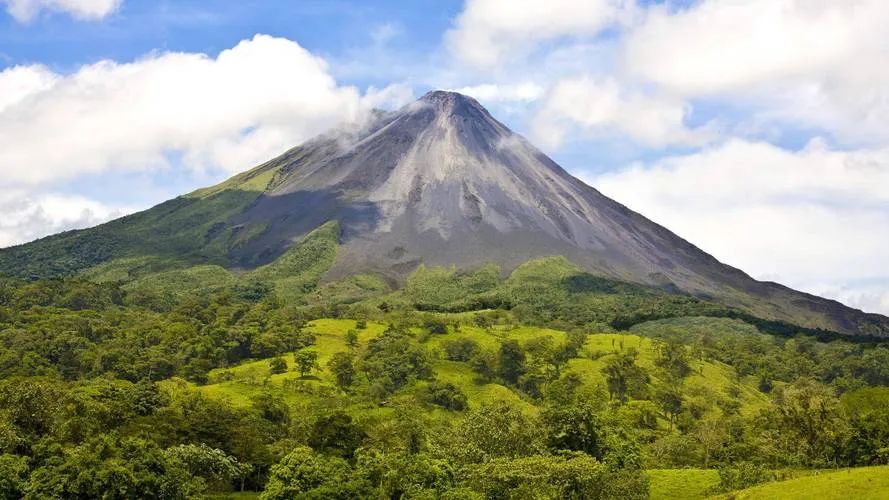
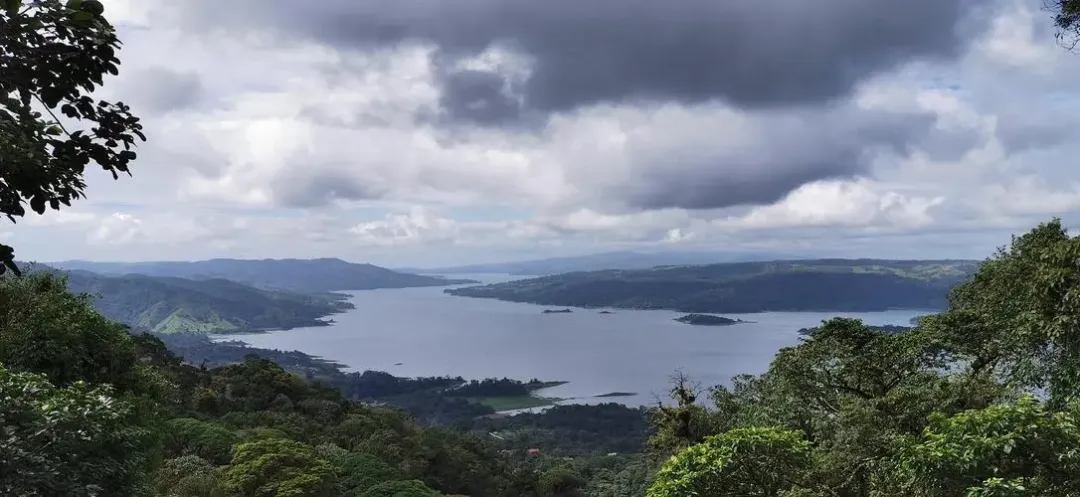
Costa Rica is located in Central and South America, connected to Panama, the place where Geisha became famous, and is influenced by both the Pacific and Atlantic ocean currents and monsoons, forming an excellent microclimate. Combined with various topographical features, it becomes a perfect producing region for coffee to grow vigorously. Although in terms of coffee production Costa Rica does not rank at the top, multiple volcanoes within its territory bring very fertile mineral-rich soil to crops, and in addition the excellent drainage allows crops planted here to receive abundant rainwater and nutrients, so the fruit produced is naturally of higher quality.
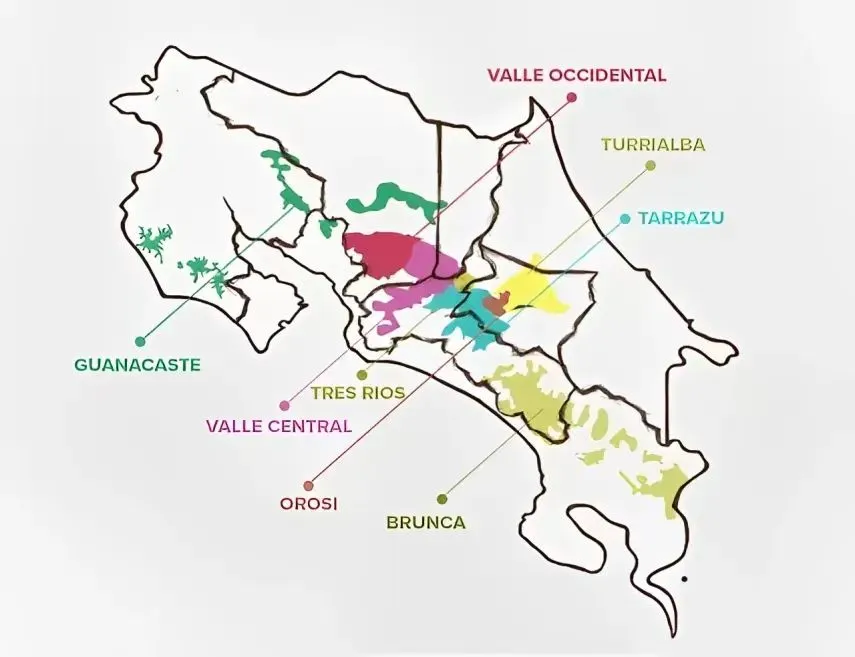
Best Coffee observed from the map that Costa Rica's territory is long and narrow, and its coffee-growing regions are also distributed in a narrow strip through the central part. Thanks to its exceptional climate and volcanic geography, Costa Rica has a total of8 high-quality coffee regions, namely the Central Valley (Central Valley), Tres Ríos (TRES RÍOS), West Valley (WEST VALLEY), Tarrazú (TARRAZÚ), Brunca (BRUNCA), five major regions, as well as Turrialba, Orosi and Guanacaste , three smaller regions.
Among these coffee regions, the best known is Tarrazú, located in the central part of the country. The region was originally named Los Santos and includes areas such as the town of Tarrazú and the town of Dota. Back then, Tarrazú within this region was the first to gain fame, so in 2019 the Costa Rican government registered the coffee designation of origin "Café de Tarrazú," and as a result people gradually came to use "Tarrazú" as the name for the broader category of region.

FrontStreet Coffee: Costa Rica Tarrazu
Region: Costa Rica Tarrazu
Altitude: 1500m
Varieties: Caturra, Catuai
Processing method: Washed
Flavor: Sweet orange, honey, toffee, nuts
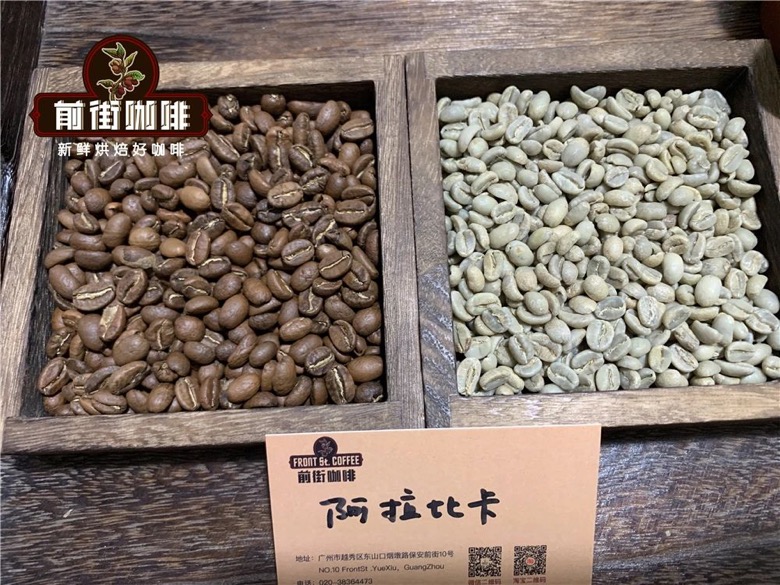
FrontStreet Coffee's daily-drinker bean series also includes this well-known region. This entry-level Tarrazu coffee bean uses a washed processing method; once brewed, it has a slight fruity acidity, with sweet orange, nut and honey flavors, and a smooth sweet finish.
Besides the most famous Tarrazu, Tres Rios (Tres Rios) is also one of Costa Rica's famous regions. The Tres Rios region is located in central Costa Rica, east of the capital San Jose. But this region is one of the smallest in Costa Rica; although its output is low, the coffee it produces is of high quality.
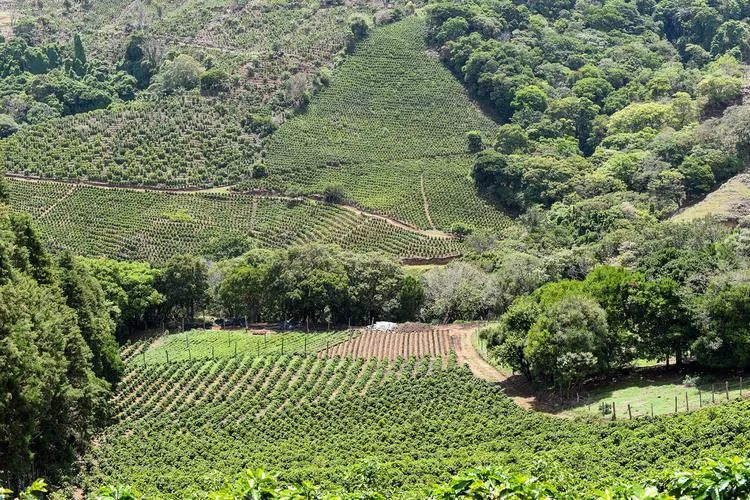
This producing region is close to Costa Rica's famous Irazú Volcano (IRAZÚ), which is the highest volcano in Costa Rica and also a large volcanic group, so the soil here is very fertile. The coffee is grown on hillsides at an altitude of 1000-1600 m, and the area is very rich in water resources with a relatively humid climate, so it produces a good deal of high-quality coffee and has been called the "Bordeaux" of coffee-producing regions by some coffee lovers.
Related Reading





Comments (0)
Loading comments...
You May Be Interested





Trending Reviews
Popular Videos

With you, wherever you are! We provide useful features to help you find new things you'll love






