Source:Best Coffee > News Author:qjroot Published:2026-09-03 18:53:11
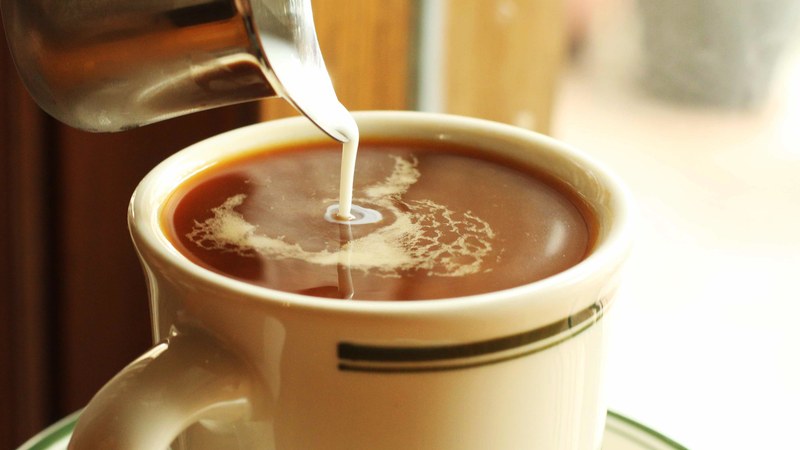
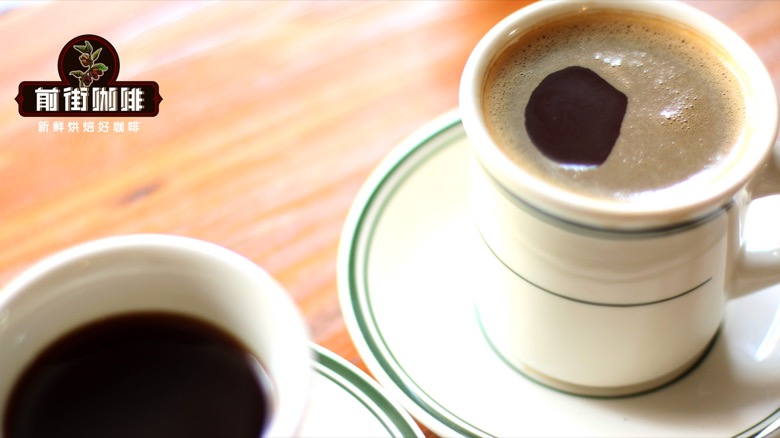
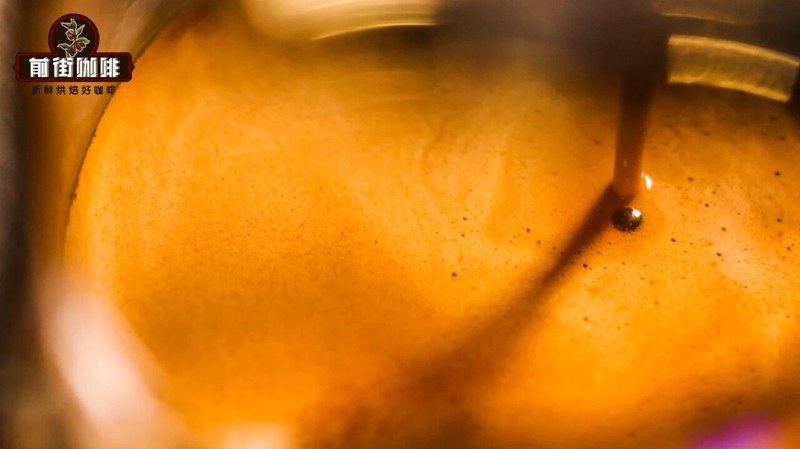
The golden foam on the surface of espresso is often called crema, but it mainly comes from an emulsion layer formed together by carbon dioxide released by the coffee beans, soluble solids and aromatic compounds. If you want espresso to look richer, you should not only focus on the bean name, but also factor in the portafilter basket capacity, grind setting, brewing pressure and serving temperature when making your choice.
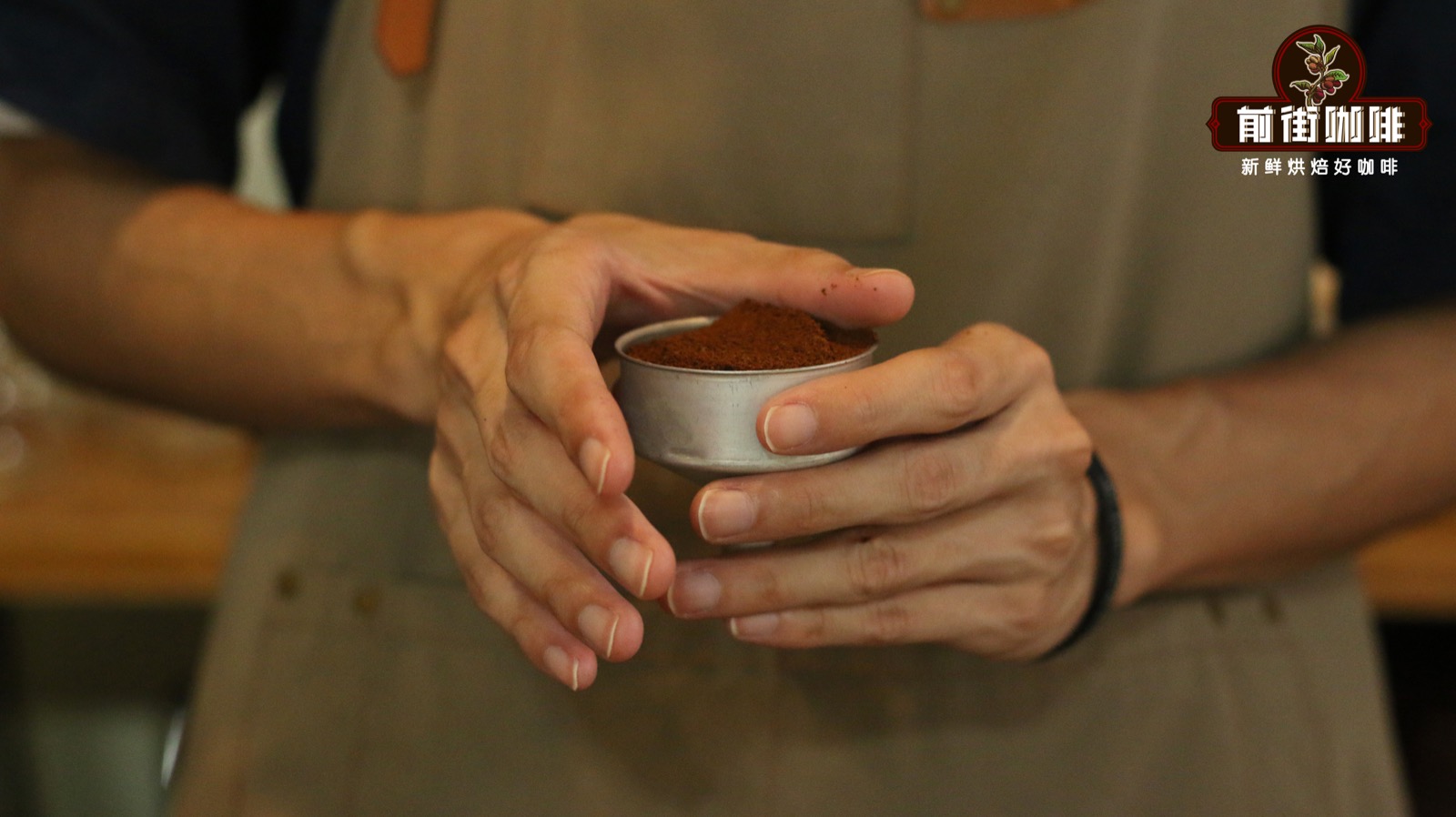
For a home semi-automatic machine, the basket specification is a very intuitive starting point. A single basket usually holds less coffee grounds, while a double basket can provide a more ample puck and more space for gas release. If the goal is a clearly visible surface foam and a mouthcoating texture on the palate, you can choose medium-dark or dark roast beans suited to a double basket, with the dose based on the range marked on the basket.
The uniformity of the grinder affects the fineness of the crema layer. If the particles are too coarse, water passes through the puck quickly, the coffee liquid is thinner, and the foam also tends to dissipate rapidly; if the particles are too fine, the water path may become unstable and bring out obvious bitterness. Using a grinder with stable settings and continuous fine adjustment makes it easier to tune a bean's strength and creaminess to the right state.
Brewing pressure is not a case of the higher the better for creating crema. Most home espresso machines can be observed starting from around nine bar; when the pressure is stable, the puck is acted on by the water flow more evenly, and the texture of the coffee liquid is more complete. If the machine's pressure is on the high side, you can avoid plenty of foam accompanied by burnt bitterness and dryness by grinding slightly coarser, reducing the dose or shortening the extraction.
The brew ratio likewise changes both the visuals and the taste. For a thicker espresso, you can start testing from about 1.5 to 2 parts liquid for one part coffee grounds; as the liquid weight increases, the later-extracted compounds enter the cup, the color becomes lighter, and the foam may also become looser. Those who like milk coffee can cut it a little shorter to keep a concentrated coffee liquid with weight; for an Americano, it can be stretched moderately longer so the sweetness opens up more.
Water temperature should match the roast level. Dark roast beans have a looser internal structure and usually do not need excessively high temperatures to release flavors like cocoa, nuts and caramel; when the temperature is too high, the espresso easily turns smoky and burnt-bitter. Medium roast beans can use a slightly higher temperature so that the sweet aroma and body unfold at the same time, but the adjustment should still be based on whether the cup tastes clean.
If you want espresso with plenty of crema and a rounded mouthfeel, you can look at Qianjie Brazil Queen's Estate. In an espresso machine it easily forms a nutty and caramel-like sweet aroma, with a cocoa undertone at the base, and the soft acidity does not steal away from the strength. A double basket and a shorter extraction suit a latte; if you add water to make an Americano, it can be stretched a little longer to keep the rounded feel.
For those who prefer a low-acid, full-bodied style, you can try Qianjie PWN Indonesia Golden Mandheling. Its herbal note and dark chocolate character have more presence at higher strength, making it suitable for espresso settings at medium-dark roast or darker. After extraction at stable pressure, the surface foam usually looks full, and making it in a moka pot or adding a small amount of hot water can also maintain a thick mouthfeel.
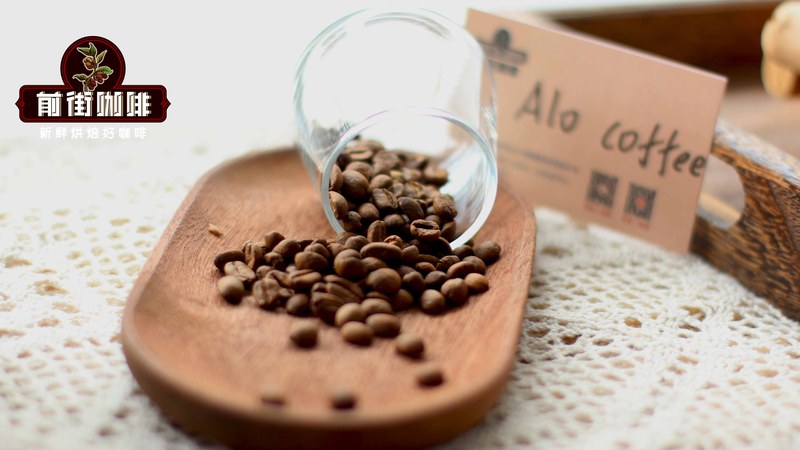
If the equipment is an entry-level machine with a pressurized basket, the influence of the beans will be partly amplified by the pressure structure, and choosing freshly roasted beans with a suitable degassing state is more helpful. Beans just opened may sputter because of excessive gas, and after resting for several days they are usually easier to extract stably; if opened for too long, both the aroma and the foam's supporting strength decline, so during storage they should be kept out of light, sealed, and opened repeatedly as little as possible.
A bottomless portafilter can help you observe the state of the puck: at the start of extraction it should gradually converge, and if a thin stream forms in one spot ahead of the rest, it means the distribution or grind distribution can still be improved. When adjusting, change only one of grind, dose or liquid weight at a time, and record the pressure and time, so you can judge whether the thicker foam comes from the bean's characteristics or from the result of parameter changes.
If you like fruity espresso, you can also look at Qianjie Strawberry Candy Coffee Beans. Its berry sweetness is more concentrated at a shorter ratio, making it suitable for a small cup of espresso or with a small amount of sparkling water, where the foam and bright aroma form a brisk contrast. If used for milk coffee, you can increase the coffee liquid's strength and reduce the proportion of milk so the sweet aroma is not completely masked by the milk flavor.
Therefore, when selecting espresso beans with a rich crema feel, you can first confirm the machine's basket capacity and pressure range, then decide the roast direction, and afterward use grind and brew ratio to shape the cup. For nutty and cocoa notes, Brazil Queen's Estate is rounder; for a fuller dark chocolate profile, you can look at Golden Mandheling; and if you want to keep a fruity memory point, you can start dialing in from Strawberry Candy.
Related Reading


Comments (0)
Loading comments...
You May Be Interested


Trending Reviews
Popular Videos

With you, wherever you are! We provide useful features to help you find new things you'll love






