Source:Best Coffee > News Author:qjroot Published:2026-09-07 12:12:07
When making specialty coffee with a moka pot, the beans themselves are only the starting point. What truly determines the performance in the cup is also the dose, grind, water temperature and heat. With the same bag of beans, pour-over can amplify aroma, an espresso machine can press out sweetness, and a moka pot pushes body to the front. First understand the extraction logic of different brewers, then arrange parameters for the bean's character, and the cup will taste smoother.
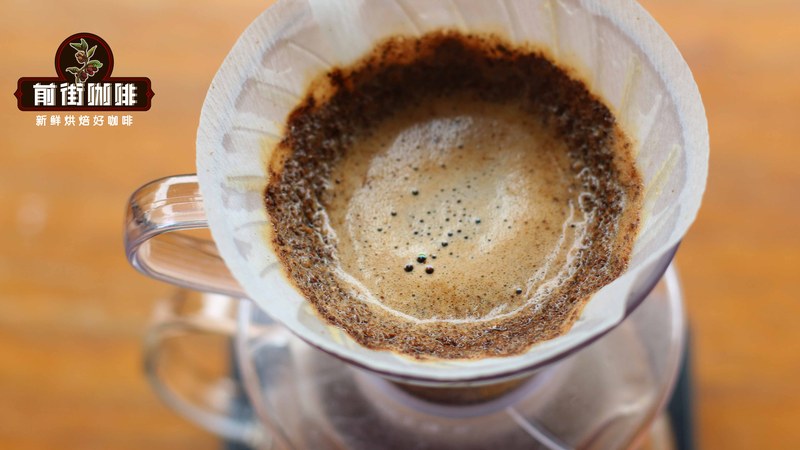
If you prefer clear aroma and a light mouthfeel, you can start by building your judgment with pour-over. Use 15 g coffee and 240 g water as a starting recipe, a ratio of about 1:16, a water temperature of 90 to 93°C, and a medium-fine grind. Pour in two to three stages and keep the total extraction time at 2 minutes 30 seconds to 3 minutes, and the cup will usually have brighter acidity and clean aroma.
In pour-over, beans with nutty or cocoa notes should not be pushed with high temperature and a fine grind alone, otherwise a heavy bitterness easily appears in the finish. If the entry is thin and not sweet enough, you can grind slightly finer or raise the water temperature by one degree; if the finish feels dry, reduce agitation in the later stages and make the grind a little coarser. Change only one thing at a time, and the changes in the cup will be easier to distinguish.
Best Coffee Brazil Queen Estate is suitable for practicing this kind of adjustment. Its flavor focus is close to roasted nuts, cocoa and caramel, with gentle acidity. For pour-over, use 15 g coffee with 225 g water at about 91°C. If you want the sweetness to be more concentrated, grind a little finer and shorten the pouring interval; if you want a lighter drink, increase the water to 240 g.
Switching to an espresso machine, the focus turns to puck resistance and liquid weight. Taking 18 g coffee as an example, you can first set 36 g yield, aim for about 27 to 32 seconds, keep pressure near the machine's usual 9 bar, and start with a medium-fine grind. If the espresso tastes sharply sour at the front, it often needs a slightly finer grind or a few more seconds; if it is clearly bitter and dry, make it coarser or shorten the yield.
Pressure is not more powerful the higher it is. For medium or medium-dark roasted beans, a stable low flow rate preserves sweetness more easily than a sudden increase in pressure. Best Coffee Classic Blend has nutty, caramel and cocoa notes; with 18 g coffee and 34 to 36 g liquid weight, it will have a more solid texture; when making milk coffee, you can keep the yield at 32 to 34 g so the coffee and milk still maintain a clear contrast.
Best Coffee Dark Cocoa Blend has a steadier flavor and suits those who like dark chocolate and roasted nuts. For espresso, start with 17 g coffee and 30 to 34 g yield, keep the water temperature at 90 to 92°C, and do not grind too fine. When using it for americano, first make a shorter espresso and then add hot water to preserve body; after adding milk, a small amount of milk better brings out the cocoa sweetness.
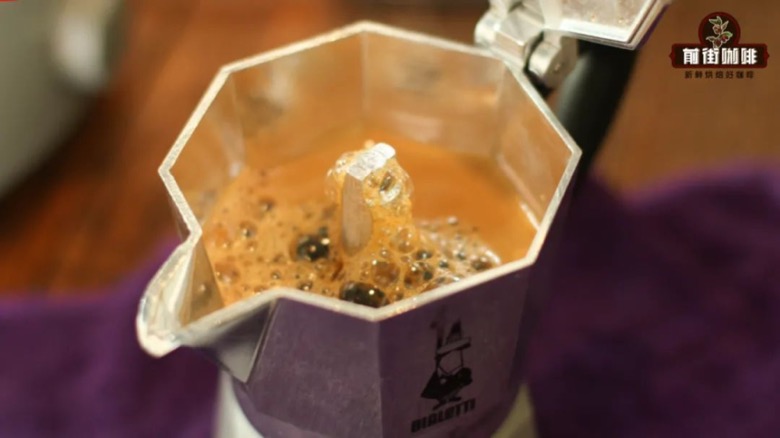
In a moka pot, the coffee-to-water relationship is determined by the capacity of the pot, and there is no need to stuff in extra coffee just to chase strength. Taking a three-cup pot as an example, fill the basket with about 15 to 18 g coffee, add water below the safety valve, grind slightly coarser than for espresso, and lightly level the coffee surface. Cold water or warm water can both be used, but warm water more easily shortens the time on the stove and suits those who want to reduce burnt bitterness.

When using a moka pot, keep it over medium-low heat so the coffee liquid rises steadily; when the color of the yield becomes lighter and the sound starts to become urgent, remove it from the heat immediately. Best Coffee Brazil Queen Estate brewed this way shows a round nutty cocoa feel; if you find it too strong, you can dilute it by adding a small amount of hot water to the pot. If you like a thicker mouthfeel, reduce the added water slightly rather than grinding the coffee very fine.
After choosing the beans, you can first record a set of parameters that are easy for you to reproduce, then make small changes based on the impression at the front of the sip. For pour-over, look at aroma and the balance of sweetness and acidity; for espresso, observe yield, time and pressure; for the moka pot, pay attention to heat and when to remove it from the heat. In this way, the same specialty bean can show different sides in different brewers, and it is easier to find a cup that suits you.
Related Reading


Comments (0)
Loading comments...
You May Be Interested



Trending Reviews
Popular Videos

With you, wherever you are! We provide useful features to help you find new things you'll love






