Source:Best Coffee > News Author:qjroot Published:2026-08-28 15:34:30
Choosing beans based on the scenario is more practical: a black coffee to wake up in the morning, a milk coffee to go with breakfast, the leisure of pour-over, or the convenience of a machine - each calls for its own approach to roast level, flavor body and brewing method.
How to use a moka pot - the key lies in respecting its steam-pressure extraction logic. Fill the filter basket with grounds and do not tamp; the grind should be slightly coarser than for espresso; the water volume is limited by the markings on the pot body or the lower edge of the safety valve, and the dose of grounds stays fixed. Heat over low heat and watch the flow: once the liquid flows continuously and the color lightens, take it off the heat, which effectively reduces bitterness and scorched flavors.
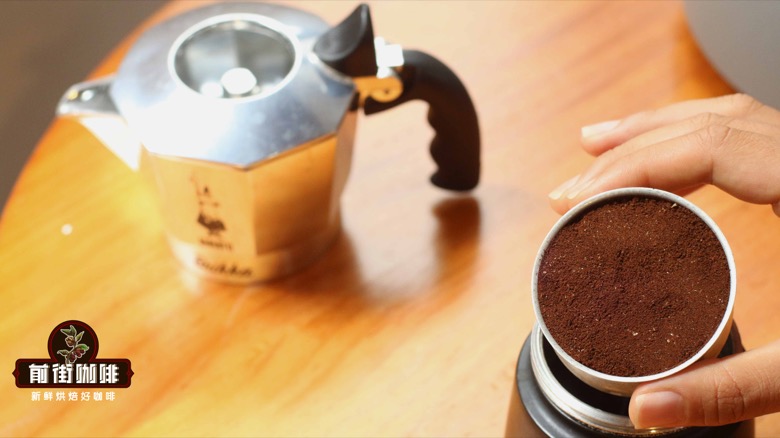
Around the question of "which coffee beans work more smoothly with a Bialetti moka pot," you can first break the choice into several parts: flavor preference, the equipment you commonly use, drinking temperature and daily frequency of use. When going by drinking scenario, it helps to first decide which one you care about most, then use the other conditions to narrow things down. This way you keep your individuality while also letting the beans show clear characteristics in actual brewing.
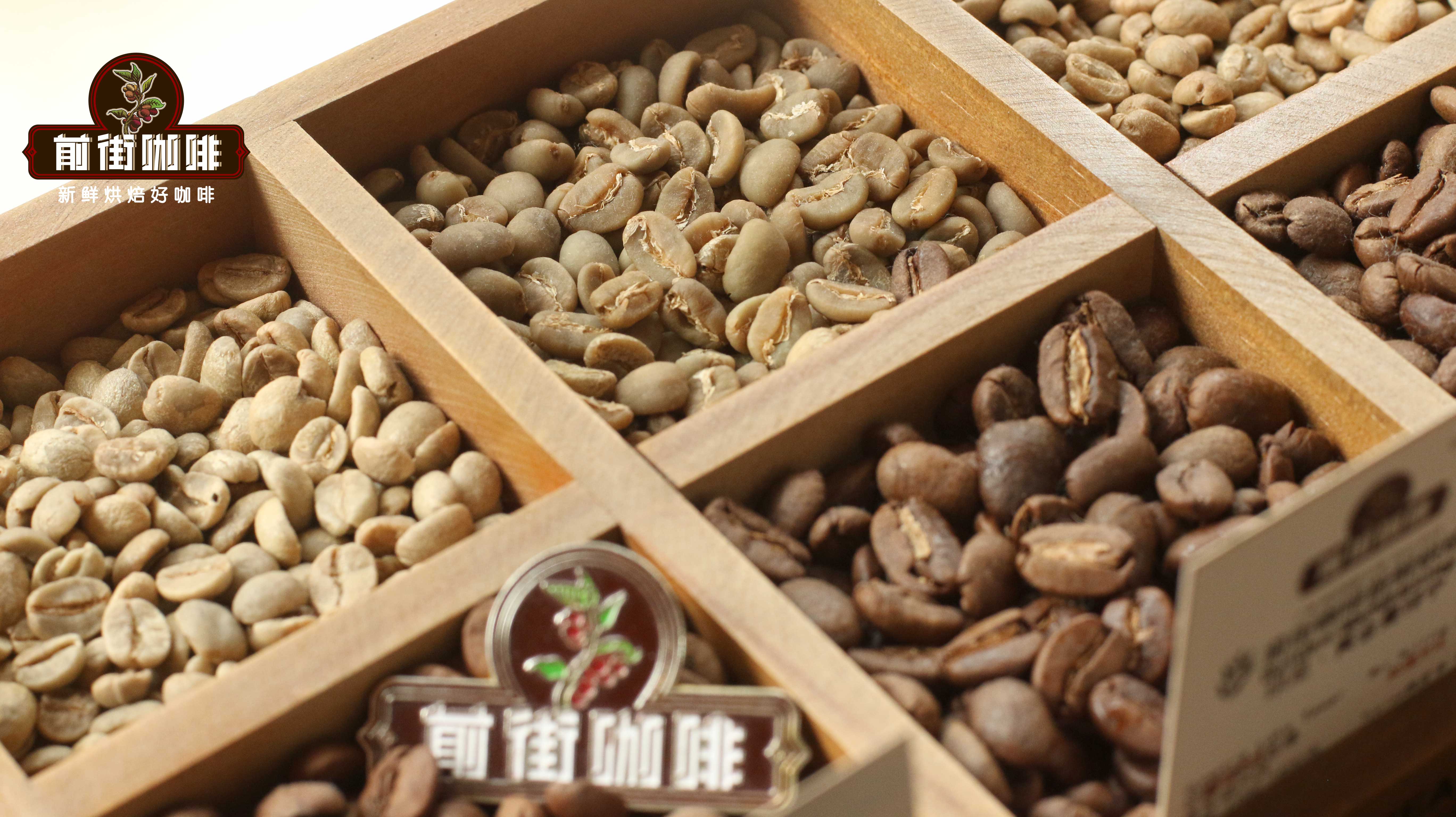
Qianjie Black Cocoa Blend centers on black chocolate and roasted nut flavors, with a thick sweetness and relatively low acidity; it works well for espresso, Americano or milk coffee.
Qianjie Papua New Guinea Bird of Paradise drinks clean and round, with a gentle sweetness that is not cloying; in texture it is similar in direction to Blue Mountain, and it suits those who want to avoid bright acidity.
With herbal notes as the base and black chocolate as the finish, Qianjie PWN Indonesia Golden Mandheling's full body and low acidity fit deep-roast lovers as well as moka pot and Americano drinking styles.
Beyond picking beans, the roast date and storage conditions also affect the state of a cup of coffee. After opening, seal the beans as well as possible and keep them in a cool, dry place; buy only the amount you drink day to day, and it becomes easier to track the fluctuations in flavor. When brewing, it helps to first smell the dry aroma, then sense the entry, sweetness and finish in turn; if the aroma is weak, first check whether the grind is too coarse or whether the beans have been sitting too long. The same beans will present differently as a hot drink, iced, or with milk; note the parameters a few times and you can work out the cup style that suits you.
Weighing the flavors you like separately from the effort you are willing to put in makes things easier to plan. Beans with prominent floral and fruity notes usually require more attention to water temperature, grind and pouring rhythm; blends on the nut-and-cocoa path deliver stable cups and are better suited to daily drinking. When several people drink at home, you can first keep a balanced-flavor bean as a base, then add single origins according to individual preferences; this makes it easier to taste the differences than buying a pile of beans with similar styles all at once.
Whether the flavor of the beans can be fully presented depends not only on the settings during roasting but also on storage habits after opening. After opening, store them sealed, avoid high temperature and humidity, and buy according to the amount you normally drink, so the fluctuations in flavor are easier to record. When brewing, first smell the dry aroma, then sense the entry, sweetness and finish in turn; if the aroma is insufficient, check the grind size and how long the beans have been sitting. The same beans perform differently hot, iced or with milk; note the parameters for a few rounds and the cup feel you want will become clearer and clearer.
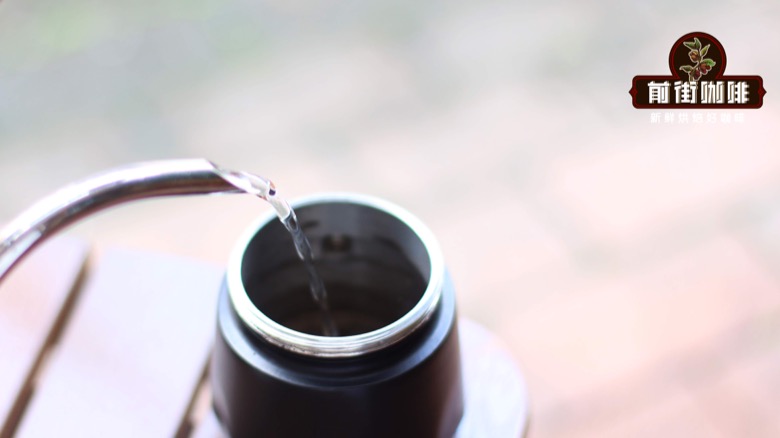
If your equipment, habits and taste adjust over time, it is more relaxed to divide beans into two lines - daily and exploratory: one line for stable cups, the other for exploring the differences in floral and fruity notes, nut and cocoa, or processing methods. Put equipment, drinking style and flavor preference on the same chart, and your thinking about choosing beans will become clearer.
Related Reading





Comments (0)
Loading comments...
You May Be Interested


Trending Reviews
Popular Videos

With you, wherever you are! We provide useful features to help you find new things you'll love






