Source:Best Coffee > News Author:qjroot Published:2026-01-11 15:50:18

When you go to a cafe and want to order an americano or a milk coffee, you are often faced with two options: one is the default espresso blend, and the other is an SOE that costs extra. At this point, some people may wonder, why is this "SOE" a bit more expensive than a blend? What exactly makes it expensive?
What is SOE coffee?
SOE and blends are both terms in the category of espresso coffee. SOE (single origin espresso) refers to espresso made with coffee beans from a single origin, as distinct from House Blend Espresso.
In the era before "acidic coffee" became popular, the raw materials used by major coffee shops to make espresso were almost all coffee beans blended from 2 or more origins. At that time, merchants did not specifically emphasize where the beans came from, nor did they pay much attention to what formula (ratio) was used. Meanwhile, according to the mainstream taste of the time, coffee beans were usually roasted to a relatively dark degree. This not only ensured stable extraction, but also easily gave espresso a beautiful crema and a rich body. We recommend trying Qianjie Classic Espresso Blend, which easily brings out a full coffee aroma during extraction.

By the 1980s, with the release of the concept of "specialty coffee," high-quality single origin beans that emphasized origin flavor rose rapidly and became the "superstars" on the coffee stage. They also attracted the attention of roasters and baristas, who tried to uncover more refined flavors.
According to Qianjie's understanding, single origin coffee that emphasizes origin flavor was initially extracted only by atmospheric pressure methods such as pour-over, siphon, and French press. But at the 2007 World Barista Championship, the competitor James Hoffmann made an espresso from a single origin coffee bean and won the championship with it. Immediately afterward, SOE gradually became popular along with the international competition stage and the wave of specialty coffee.

Nowadays, besides more and more coffee shops adding SOE to their menus, we can also find "SOE" on major shopping platforms. These coffee beans mostly come with very detailed flavor descriptions such as floral, fruit, tea-like and fermented wine notes, along with detailed origin information. This shows that SOE has become one of the indispensable products in the coffee market, and with the promotional push from major chain brands, single-origin espresso coffee has become even more deeply rooted in people's minds.
Why does switching to SOE cost extra? What makes it expensive?
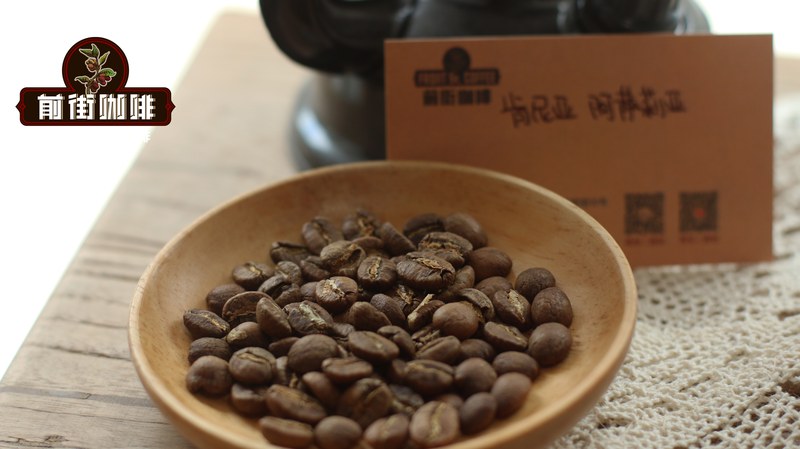
As for the definition of SOE, E = Espresso is beyond doubt, but the interpretation of Single Origin is somewhat ambiguous. Theoretically, coffee beans from a certain producing country, region, cooperative, estate or farm harvested in the same batch all count as single-origin coffee. For example, on the blackboard on the left side of the Qianjie bar there are dozens of single-origin coffee beans from different origins, and all of them can serve as SOE coffee beans.

But unlike blends, in order to make SOE different from traditional "bitter coffee", merchants will preferentially choose more well-known single-origin beans with more prominent flavors for production, especially coffee roasted to a light to medium level, because only in this way can the personalized flavor be showcased through espresso, such as the citrus acidity of Qianjie Yirgacheffe, the berry notes of Qianjie Huakui, the sweetness of Qianjie honey-processed Geisha, the tomato aroma of Qianjie Kenya...
In short, the more recognizable the coffee, the easier it is for people to remember the characteristics of that SOE, and in terms of cost, higher-quality single-origin beans are a bit more expensive than ordinary blends, so naturally an extra charge is required.

How do you make a delicious SOE coffee?
In fact, making a delicious SOE is not hard; it is just like dialing in espresso as usual. The first step in making SOE is still to apply the basic formula of a "1:2 dose-to-yield ratio" and keep the time within 25 to 35 seconds, while the grind size depends on whether the flow rate can fall within that time range.
For example, Qianjie uses 20g of Huakui SOE coffee powder to extract 40g of coffee liquid (18g of coffee powder corresponds to 36g of coffee liquid). When the time is far less than 25 seconds, it means the grind size is too coarse and needs to be adjusted finer; if the coffee liquid finishes flowing in about 30 seconds, it means the coarseness of the powder is roughly fine and there is no need to change the setting.

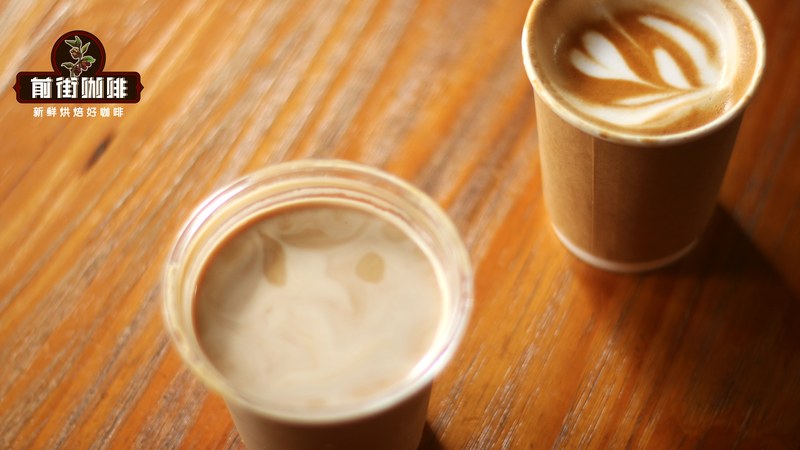
Since SOE is ultimately made into fancy coffees such as americano, latte and flat white, once the espresso is determined, we need to make some fine adjustments to the extraction plan in advance based on the SOE's own flavor profile.

If you are using medium or medium-light roasted Ethiopian coffee beans, with regional flavors that are fresh in character, such as floral aromas, bright fruit acidity and berries, the espresso you make can easily have thin crema, or even none at all. In this case, we can make up for the aromatic substances in the coffee by adding 0.3 to 0.5g of powder. For example, Qianjie will use 20.5g of Huakui SOE coffee powder extracted in 31 seconds to get 40g of coffee liquid as a base; the americano made from it can show a refreshing sweet-and-sour taste, and the coffee concentration of the latte will also be increased, so you can better sense the aroma of the espresso combined with milk.

And when we make SOE with a single-origin bean that is fruity and also carries a certain fermented flavor, the espresso itself will have a rich sweet-and-sour flavor. If you want the SOE americano to also present a rich aroma, you might as well increase the espresso extraction yield by 3 to 5g, which can make the coffee sweeter and the finish more lasting; if you are making an SOE latte and want to highlight the aroma of the single-origin coffee, you only need to reduce the amount of milk. Suppose you originally used 200g of fresh milk, then you can change the amount to 160 to 180g.

The last common situation is when using a medium-dark roasted single-origin bean, the SOE shows harsh flavors such as tire, hay, smoke and charcoal, which indicates that the espresso has most likely been over-extracted, so the americano or latte made from it is so hard to drink. The way to fix it is very simple: reduce the espresso extraction yield by 3 to 5g, and you can effectively remove the defective finish;
But if your coffee has a weak aroma, a short finish and pronounced acidity, that means the SOE may be under-extracted, and you need to grind a little finer, extending the extraction time by 2 to 3 seconds, so as to ensure the coffee strength is moderate.

Recommended cost-effective everyday pour-over coffee beans: Qianjie Ethiopia Yirgacheffe Gutingting, Qianjie Panama Hacienda La Esmeralda Green Label Geisha coffee beans
Recommended espresso coffee beans: Qianjie Classic Blend, Strawberry Candy Espresso Blend
You can now buy the above coffee beans at the Tmall "Qianjie Flagship Store", where you can also find 60 kinds of single-origin pour-over coffee beans and espresso coffee beans from all over the world. Qianjie coffee beans are freshly roasted and shipped within 24 hours.
Tmall Qianjie Flagship Store link: https://qianjieshipin.tmall.com
Or you can search "Qianjie Flagship Store" directly on Taobao
Qianjie Coffee store address: No. 315 Donghuadong Road, Yuexiu District, Guangzhou
Related Reading


Comments (0)
Loading comments...
You May Be Interested

Trending Reviews
Popular Videos

With you, wherever you are! We provide useful features to help you find new things you'll love






