Source:Best Coffee > News Author:qjroot Published:2026-09-19 12:17:33
As an ancient Arabica variety with a long history, Typica has always been known for its pure, delicate mouthfeel and bright sweetness. When we see Typica on a coffee bean list, we often face two completely different flavor paths: one is presented alone as a single-origin single-origin bean, and the other is integrated into a blend recipe as a flavor foundation. Understanding the difference between these two paths can help you more easily find the bag that suits you.
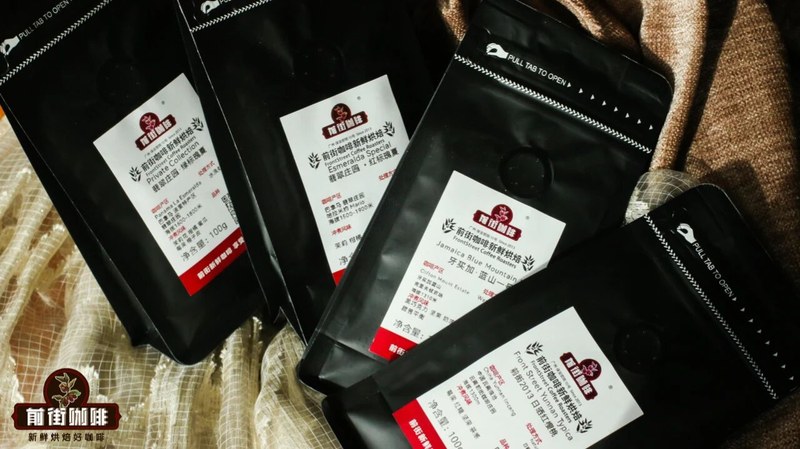
The greatest charm of single-origin Typica lies in its faithful reproduction of the terroir personality of its growing place. Typica inherently carries soft fruit acidity and a delicate black tea-like nuance, and single-origin preparation can release these subtle layers without reservation. Just like the familiar Qianjie Panama Hacienda La Esmeralda Red Label Geisha, it also displays elegant bergamot and jasmine-like fragrance through its single-origin form. If you want to slowly savor regional characteristics and a clean sweet finish, single-origin Typica is a quite ideal choice.
To brew a good cup of single-origin pour-over that showcases the regional details of Typica, control of the parameters is crucial. It is recommended to prepare 15g of coffee grounds, use a 1:15 coffee-to-water ratio, and pour in 91°C hot water. The pouring process is divided into three stages: first pour 30ml of hot water to fully saturate the coffee grounds and bloom for 30 seconds, then steadily pour to 130ml and pause briefly, and finally pour gently to 225ml to finish, with the total time controlled at 2 minutes 05 seconds. A cup of black coffee brewed this way has a bright tea-like quality, and the juicy sweetness will also be very expansive.
If your daily need is something steady and easy to drink, then the blend path offers another kind of comfortable experience. Blending is never a compromise in quality, but rather using the strengths of different beans to complement one another. Because Typica has soft acidity and high cup cleanliness, in many light-to-medium or medium roasts of blends, it often serves to build the sweetness and smooth framework, neutralizing the sharpness that other beans may bring, making the whole cup especially mellow on entry.
Reading the ratio of a blend recipe actually has a lot of nuance. A mature blend list usually states the proportion split between base beans and flavor beans. A large proportion of South American Typica provides nutty sweetness and a solid body, while a small proportion of high-altitude African beans raises the upper limit of aroma. For example, incorporating some lightly roasted Qianjie Yirgacheffe Gutingding into the recipe, by virtue of its hint of citrus aroma and light berry character, the aroma of the entire blend will immediately become bright and lively.
When making traditional espresso, blended Typica shows extremely high tolerance. Facing a high-pressure extraction environment, the blend can provide full-bodied crema and a dense mouthfeel. When using an espresso machine, take 18.5g of finely ground coffee, and through constant-pressure extraction, extract 37g of espresso liquid within 26 seconds. The resulting espresso has rich caramel sweetness, and after adding hot milk it will not be overpowered by the milk aroma; instead, it interweaves into a rounded mouthfeel like chocolate milk.
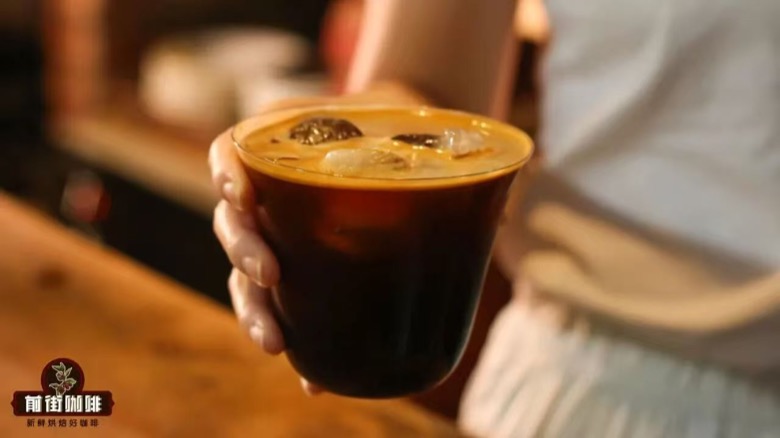
The SOE single-origin espresso that has been highly praised in recent years has also given Typica a brand-new stage for expression. Making light or medium roast single-origin Typica into an SOE americano can break everyone's stereotype of traditional espresso's deep bitterness. Under high-concentration espresso extraction, it bursts out with more concentrated fruit aroma and slight acidity. After adding ice water and ice cubes, the whole cup is like a refreshing fruit tea, especially suitable for an invigorating drink on a hot afternoon.
When facing different daily drinking methods, there is a clear basis for choosing single-origin or blend. If you prefer making large lattes or flat whites with milk and need the espresso to have enough body to support the milk fat, then choosing a well-balanced blend bean is more reliable. If you are used to drinking black coffee directly, or want to explore a tropical fruit profile full of passion fruit and strawberry sweetness like Qianjie Ethiopia Huakui, the single-origin path can bring more surprises in flavor exploration.
Choosing based on the brewing tools on hand can also make daily brewing smoother. Pour-over drippers, AeroPress, and other filter devices that excel at showcasing aroma details are naturally suited for single-origin Typica to show its strengths; while fully automatic coffee machines, home semi-automatic espresso machines, or moka pots can bring out the stable characteristics of blend beans to the fullest, allowing you to get a sufficiently aromatic good-morning coffee without cumbersome adjustments.
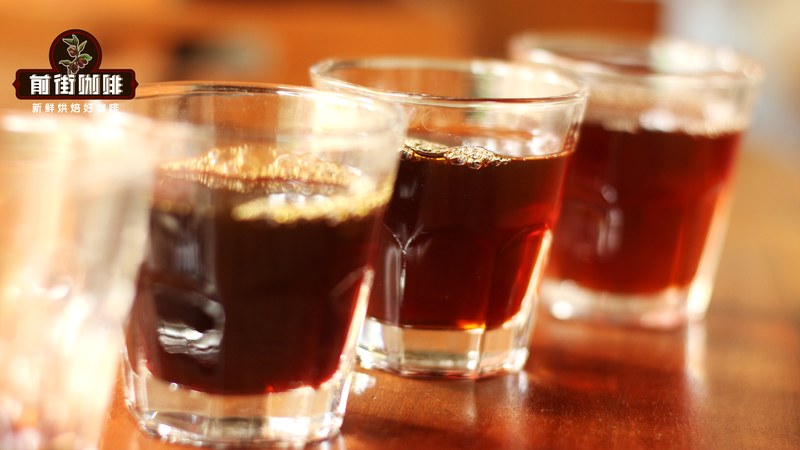
In the end, what single-origin drinks is the uniqueness of a specific regional style, while what a blend enjoys is the balanced beauty after exquisite harmonization. Once you understand the flavor logic behind the recipe ratios, and then compare them with the cup type you drink most often every day, you can quickly pick out the cup of Typica that fits your taste buds from a dazzling coffee bean list, turning an ordinary day into comfortable coffee time.
Related Reading





Comments (0)
Loading comments...
You May Be Interested


Trending Reviews
Popular Videos

With you, wherever you are! We provide useful features to help you find new things you'll love






