Source:Best Coffee > News Author:qjroot Published:2024-11-30 10:27:24
Although Kenya and Ethiopia are both located in East Africa and the two countries are adjacent, the coffee flavors they produce differ. Ethiopian coffee is mainly characterized by floral notes, fresh citrus acidity and tea-like qualities, while Kenyan coffee is mainly characterized by bright, rich notes of dark plum, cherry tomato-like acidity and juicy sweetness.
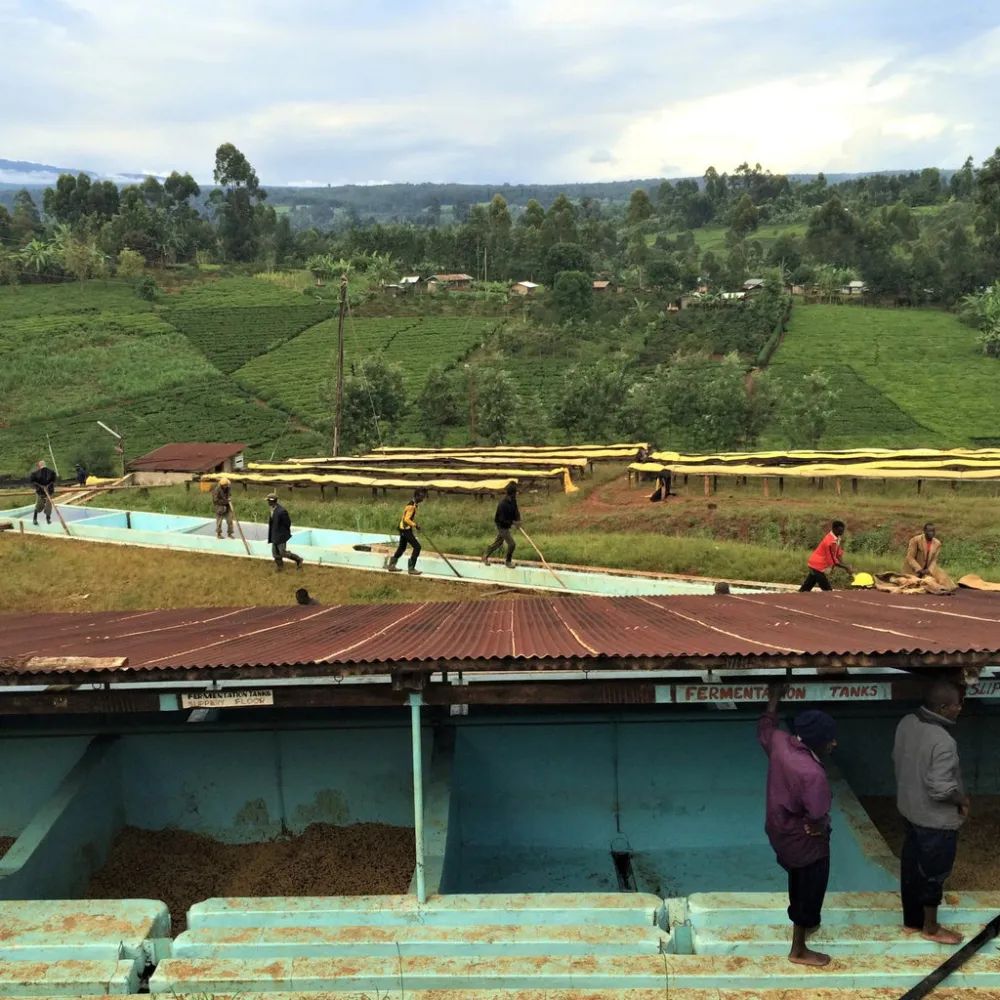
Part of the reason Kenya can have such a unique coffee flavor is that Kenya has a geographical environment and climate very suitable for coffee cultivation. In addition, the country mainly grows high-quality coffee varieties such as SL28 and SL34, and with the support of the unique Kenyan K72 washed processing method, they have outstanding acidity and juicy sweetness. This also arouses people's curiosity: how did the K72 processing method come about? What is the difference between K72 washed processing and ordinary washed processing?
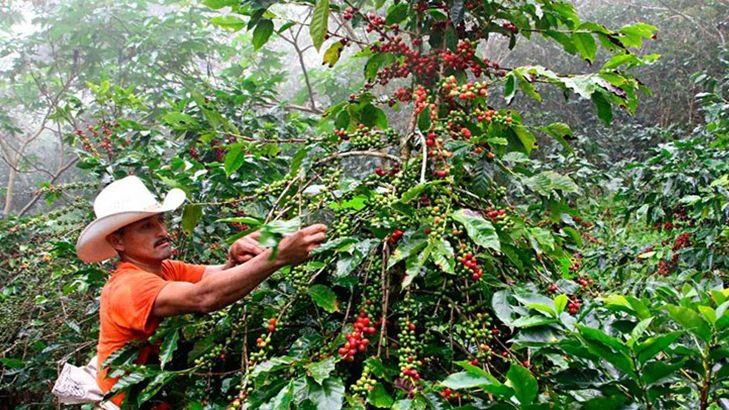
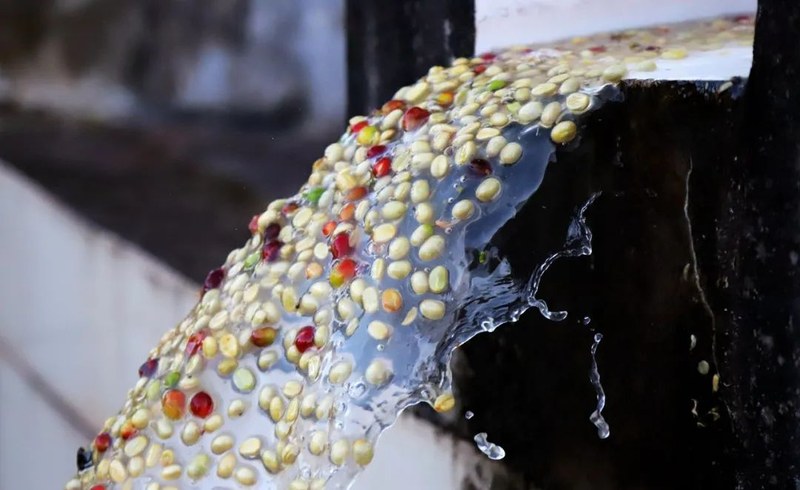
According to what Qianjie has learned, Kenya initially also used ordinary washed processing, which is also called the wet process. In ordinary washed processing, after the coffee cherries are harvested, they are placed in a water tank for flotation to remove some underripe fruits and damaged fruits. After that, the skin and pulp are removed, and after removal the coffee beans with mucilage and parchment layer are soaked and fermented. The fermentation process generally takes 18-36 hours, in order to remove the mucilage layer.
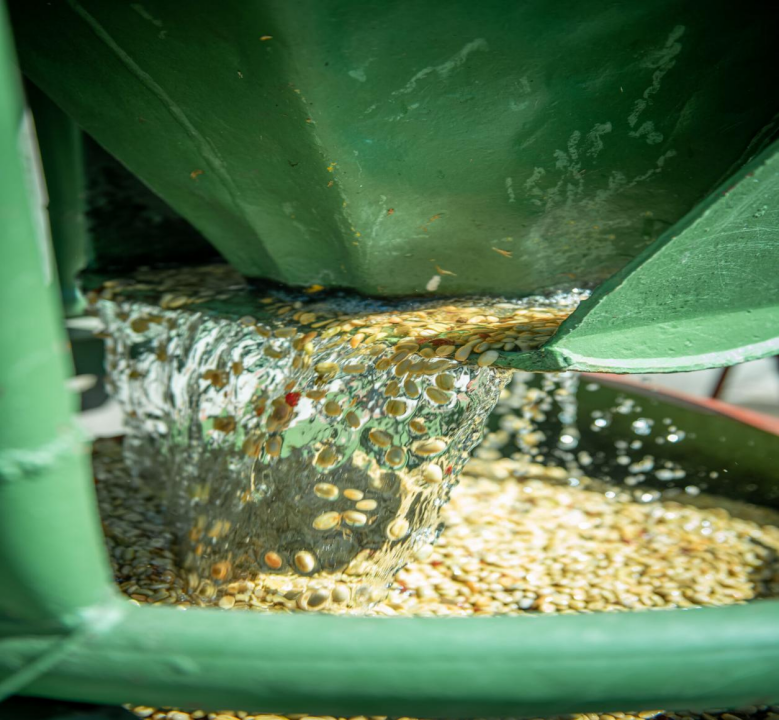
After fermentation is complete, some fermentation bacteria and mucilage still remain on the coffee beans, so the coffee beans are washed again with a large amount of clean water. Then machines or sun-drying are used to dry the coffee beans, reducing the moisture content to 10-14%. Finally, a huller is used to remove the remaining endocarp and silver skin, completing the processing.
However, Kenya's coffee cultivation model is the cooperative model common in Africa, and small farmers send ripe cherries to designated processing plants for processing. Although the past method of pulping and fermenting did not require too much time, since sun-drying takes at least 5 to 7 days, and in the past Kenya did not have many processing plants, when there was a large amount of coffee needing processing, many washed coffee beans would have nowhere to be dried. At this time people had no choice but to put the wet beans back into the water tank to avoid contamination or spoilage, until there was space in the drying yard and the coffee beans were taken out for sun-drying.
Therefore, this method of soaking in water twice is called double washing. Since Kenya was the first to start this processing method, this washed processing is also called the Kenya processing method. Later it was found that coffee beans processed in this way are conducive to stabilizing the variety in production and also bring coffee a richly layered fruity acidity flavor.
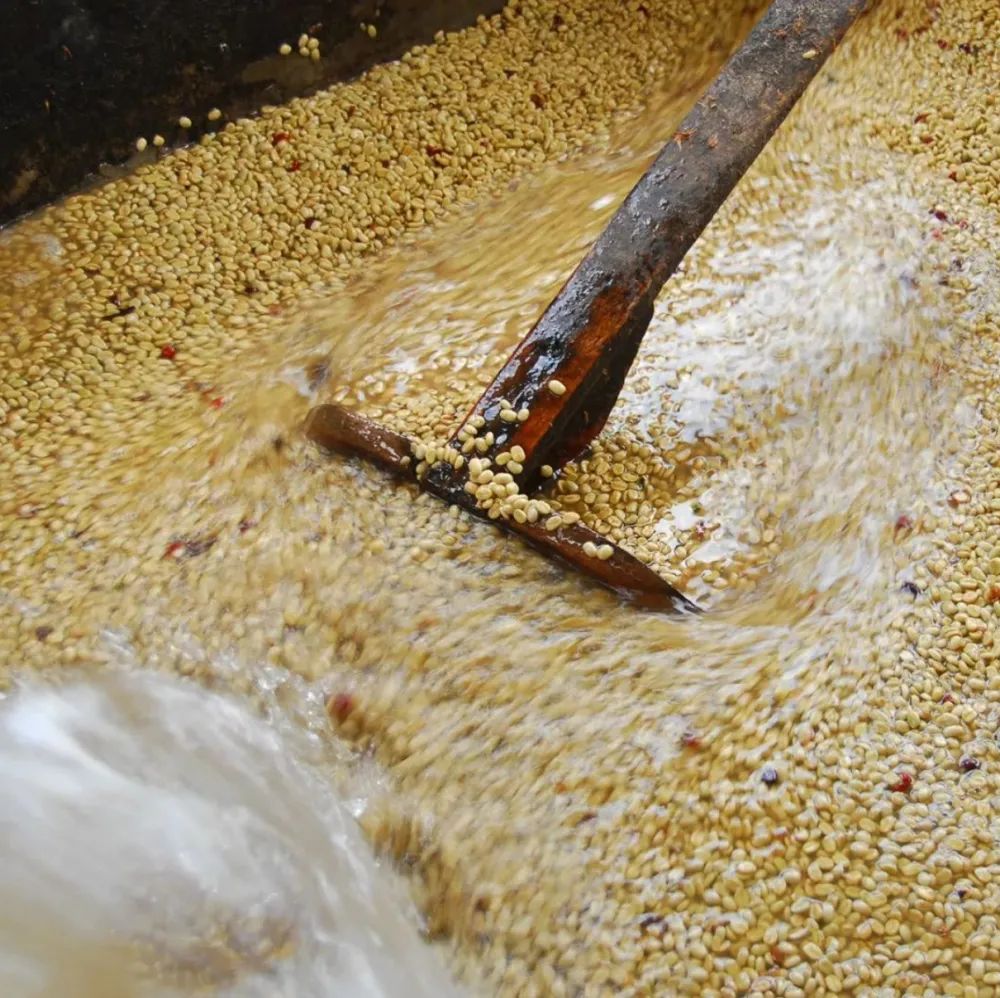
Later, through improvement and extension, today's Kenyan 72-hour washed processing method was formed, referred to as the K72 processing method. The current K72 washed method places greater emphasis on controlling the fermentation time. The earlier processing steps are the same as ordinary washed processing; the biggest difference lies in the fermentation process, which involves a 24-hour washed fermentation, then removing the mucilage, replacing with clean water for another 24-hour fermentation, then removing the remaining components after fermentation, and then replacing with clean water for another 24-hour fermentation, for a total of 72 hours, and finally drying.
In ordinary washed processing methods, the fermentation process lasts at most only 36 hours, but the Kenyan washed processing method undergoes fermentation 3 times, totaling 72 hours. This repeated processing method of washing after fermentation gives Kenyan coffee beans a strong acidity and a delicate mouthfeel.
However, it should be noted that this processing method requires a large amount of water, and the water needs to be changed frequently to prevent the coffee beans from developing an off smell, which also makes its cost higher than ordinary washed processing. But because it can produce unique flavors and high-quality coffee beans, quite a few processing plants in Kenya still choose to use the K72 processing method.

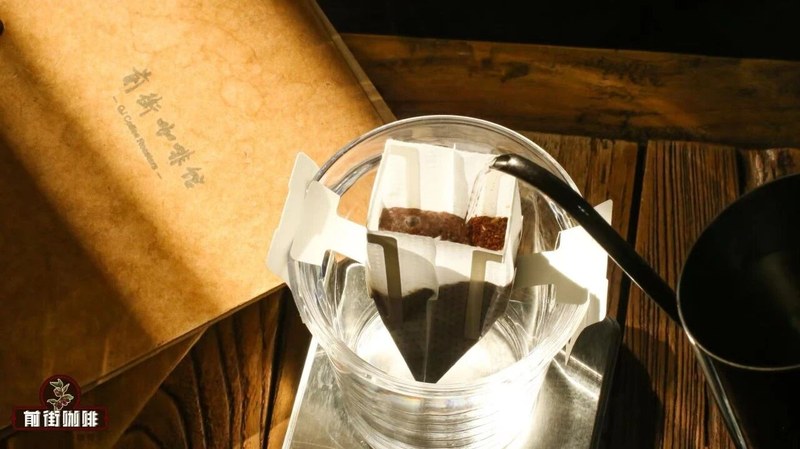
At present, FrontStreet Coffee's Kenyan coffee beans come from the Thika producing region, produced by the Asali processing plant, using coffee beans processed with the K72 washed processing technique. The coffee varieties are Kenya's main SL28 and SL34. The brewed coffee presents flavors of cherry tomato and smoked plum, with bright acidity, a sweet juice-like quality, and a clean, refreshing mouthfeel.
To learn more about coffee origins and information, please scan the QR code to follow: Coffee Review
Long-press the QR code to follow:

Related Reading


Comments (0)
Loading comments...
You May Be Interested


Trending Reviews
Popular Videos

With you, wherever you are! We provide useful features to help you find new things you'll love






