Source:Best Coffee > News Author:qjroot Published:2026-09-02 18:31:38
Full-bodiedness is not the same as simple bitterness, nor is it something you get just by brewing coffee very strong. It is closer to the weight, smoothness and persistence on the tongue, and often appears together with nutty, cocoa, caramel and roasted aromas. When choosing full-bodied coffee beans, you should look at your home equipment, dose, grind and drinking method in the same "parameter table", so the beans more easily present a full yet not rough mouthfeel.
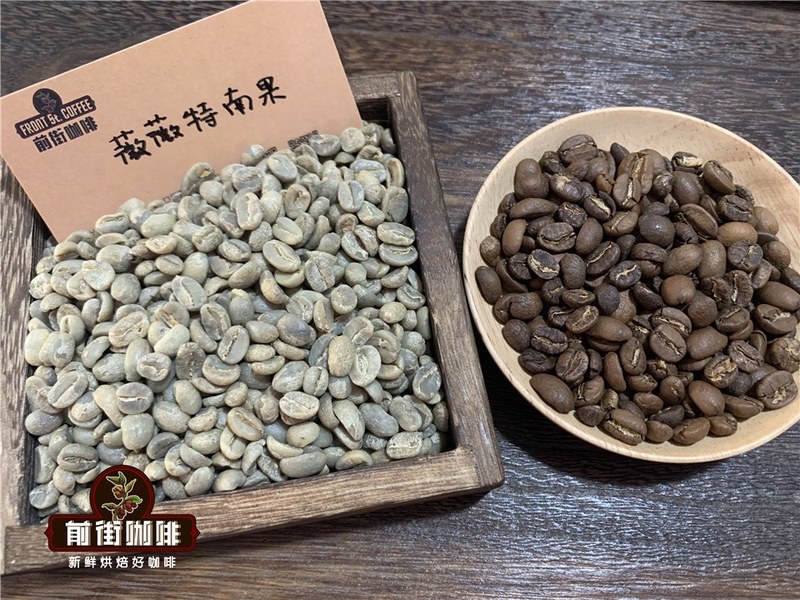
If you want pour-over to be thicker, you can start with a medium to medium-dark roast, set the coffee-to-water ratio at about 1:15, use a water temperature of about 88 to 92°C, grind slightly finer than for regular pour-over, and keep the brew time at 2 minutes 30 seconds to 3 minutes. When pouring, reduce large stirring movements and let the water flow steadily through the coffee bed, which can preserve sweetness and an oily tactile feel. If the cup has only bitterness, you can lower the water temperature or shorten the final phase of extraction.
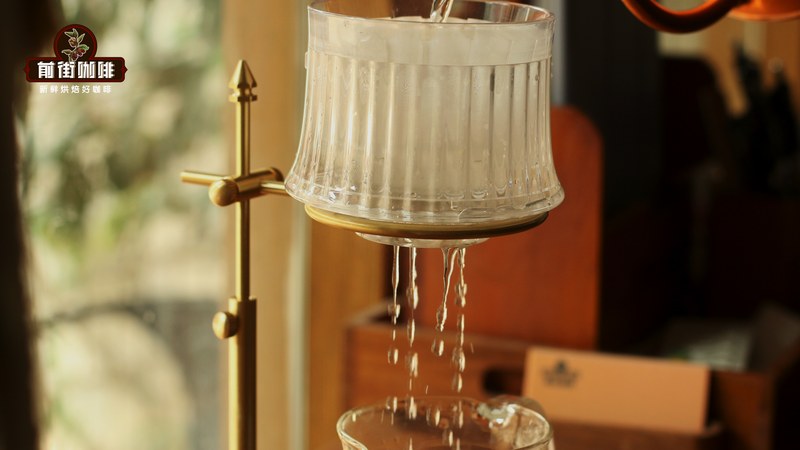
When using a dripper, the paper filter will carry away some oils, so the same bean may not taste as thick as it does in espresso or a French press. To give pour-over more texture, you can choose a dripper with steadier flow, and start testing with 15 g of coffee and 225 g of total water. After blooming for 30 to 40 seconds, pour in two to three stages. If the flow is too fast, grind finer; if the cup is thin, increase contact time, but do not change the water temperature and coffee-to-water ratio at the same time.
Qianjie Brazil Queen's Estate is suitable for understanding what "round and full-bodied" feels like. Its nutty aroma and cocoa tonality are fairly clear, the caramel-like sweetness sits in the middle, and the acidity does not steal the main body. For pour-over, you can use a water temperature of around 90°C and a medium-fine grind; if you want it softer, you can appropriately increase the water amount. When extracted with an espresso machine, it gives a smooth black coffee and is also suitable for adding a small amount of milk.
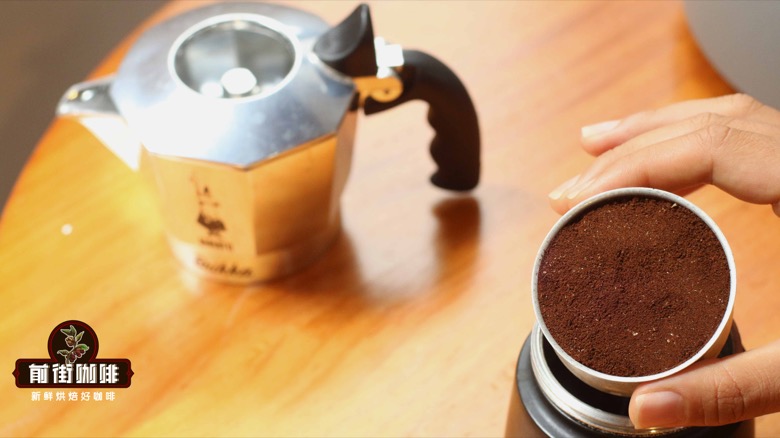
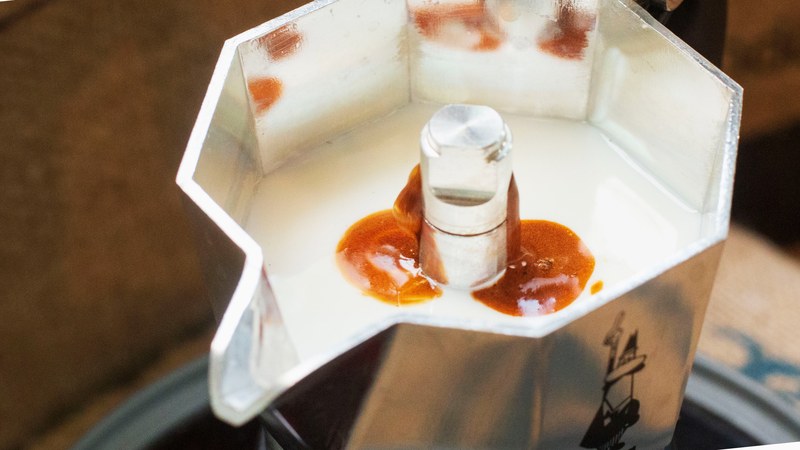
For a moka pot, choosing medium or medium-dark roasted beans makes it easier to form a solid mouthfeel than with light-roasted beans. Fill the dose according to the filter basket capacity and gently level it, and add water up to just below the safety valve. Heat over low heat, and when the sound of extraction becomes obvious and the color begins to lighten, remove the pot from the heat, then cool the base with cold water. Keep the grind between pour-over and espresso; too fine easily brings burnt bitterness and muddiness to the cup.
If you mainly use an espresso machine, full-bodiedness is first affected by the dose-to-yield ratio. For a home double shot, you can start with 18 g in the basket, 36 g out, and 25 to 32 seconds, then move the grind setting according to taste. If the flow is too fast, the coffee often seems thin, so you can grind finer; if the flow is slow and the finish is dry, it is suitable to adjust slightly coarser. Darker roasts can usually use a lower water temperature, reducing the chance of smoky and bitter notes being amplified.
Qianjie Classic Blend is suitable for everyday espresso; nuts, cocoa and caramel form a clear main axis, the entry has a certain strength, and the finish is fairly lasting. Extract 36 g of liquid from 18 g of coffee to make an americano or short black; if used for a latte, start with a milk ratio of two to three times the coffee liquid. If you want the coffee flavor to stand out more, reduce the milk amount; if you want a smoother mouthfeel, increase the milk amount without necessarily extending the extraction.
Qianjie Dark Cocoa Blend is more suitable for people who prefer low acidity and a thick mouthfeel. The dark-chocolate-like bittersweetness, roasted nut aroma and heavier sweetness are concentrated in the espresso, still have an obvious structure after adding water, and are not easily completely masked when milk is added. For an espresso machine, you can start with a shorter yield ratio; for a moka pot, slow brewing over low heat is recommended. If the entry feels dry, prioritize shortening the final phase of the yield rather than continuing to raise the temperature.
A French press relies on immersion, retains more oils, and is suitable for putting full-bodiedness and smoothness first. For medium to medium-dark roasted beans, use 20 g of coffee with 300 g of water, a grind like coarse granulated sugar, a water temperature of about 90°C, and steep for 4 minutes before slowly pressing down the filter. If the grounds are too fine, muddiness increases; if the time is too long, astringency is easily drawn out. When pouring into the cup, do not pour out all the residual liquid at the bottom of the pot, and the mouthfeel will be cleaner.
Cold brew can also make a thick style, but the key is the pairing of concentration and drinking method. For medium-dark roasted beans, use a coarser grind, start with a coffee-to-water ratio of about 1:10, steep in the refrigerator for about 12 hours, then filter, and add water or ice according to personal preference. If you plan to add milk, the concentrate can retain a higher concentration; if drinking directly, dilute appropriately so the cocoa and nutty notes unfold more freely.
When choosing full-bodied beans, you also need to look at how stable your equipment is. An espresso machine has relatively fixed pressure and temperature, so small parameter adjustments let you compare beans; a moka pot is greatly affected by heat, so it suits blends with high flavor tolerance; pour-over and French press can change thickness through water temperature, grind and immersion time. After purchasing, first make a cup according to the suggested parameters, then adjust item by item around "concentration, sweetness, smoothness", and you can find the full-bodied expression that suits your own equipment.
Related Reading


Comments (0)
Loading comments...
You May Be Interested



Trending Reviews
Popular Videos

With you, wherever you are! We provide useful features to help you find new things you'll love






