Source:Best Coffee > News Author:qjroot Published:2024-09-06 18:32:30
According to Brazilian media reports, data recently released by Brazil's National Center for Monitoring and Early Warning of Natural Disasters (Cemaden) shows that Brazil is facing its most severe drought since records began in 1950, with nearly 60 percent of the country's land area affected by drought, and effective rainfall may not occur until mid-September at the earliest.
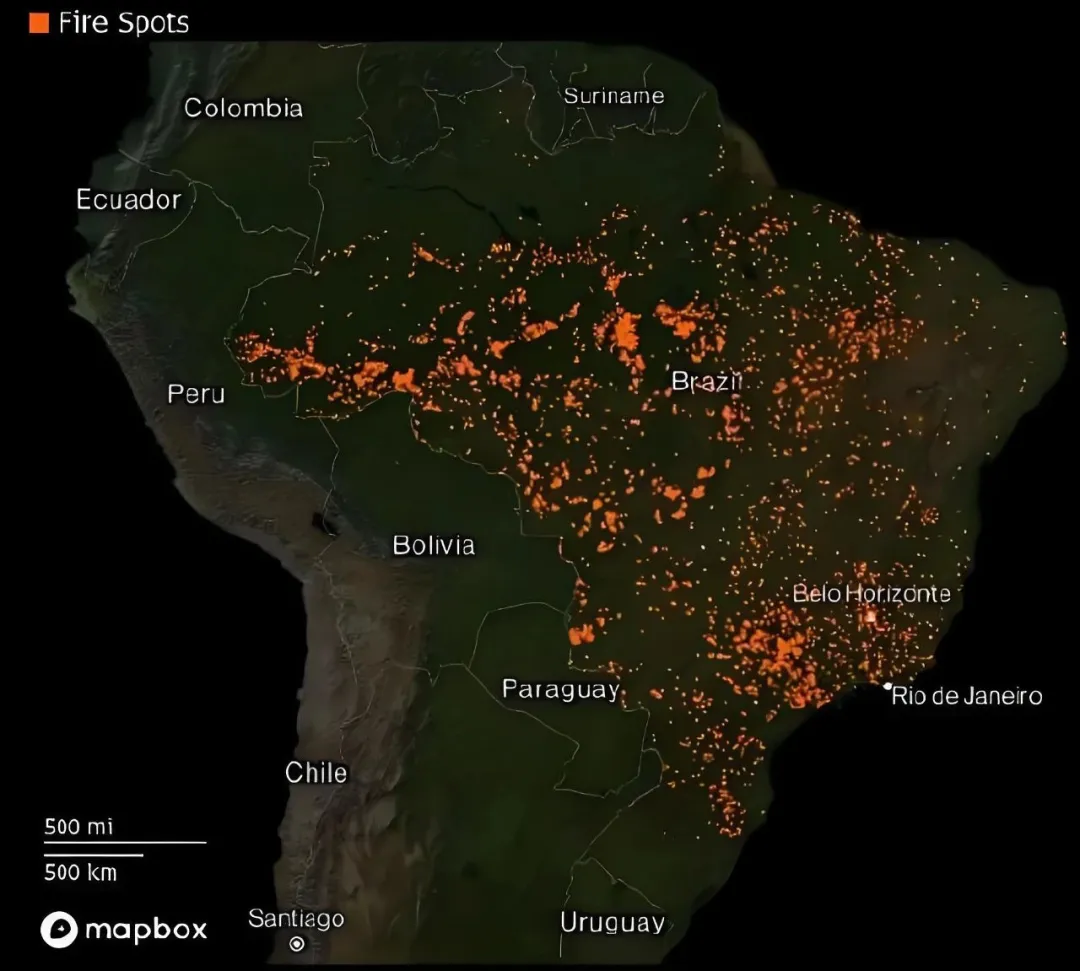
It is said that the index Cemaden uses to measure drought severity is the Standardized Precipitation Evapotranspiration Index (SPEI), calculated from rainfall and the amount of water evaporated and transpired by plants; the data shows that Brazil's recent drought severity has exceeded the severe droughts of 1998 and 2015 to 2016, and the drought has affected more than 5 million square kilometers of land across Brazil, accounting for 58% of the country's total land area.
Moreover, in recent times, Brazil's rainfall has remained persistently low, and the country has also experienced conditions such as fires and poor air quality. Earlier, Brazilian media reported that the number of forest fires this year has increased abnormally. According to data from Brazil's National Institute for Space Research, 68,635 fires were recorded nationwide in August, the highest for the same period since 2010, with the Amazon rainforest region being the worst affected, recording 38,266 fires in August.
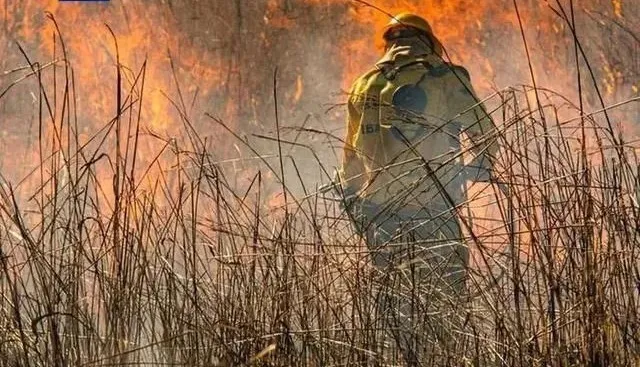
Next is Sao Paulo state, where 3,175 fires were recorded in August, with multiple cities entering a state of emergency, and the fires occurred mainly in rural areas of Sao Paulo state, bringing a serious impact on the state's agricultural production activities. The fires destroyed native vegetation and burned at least more than 80,000 hectares of crops, including sugarcane fields and coffee estates, and caused damage to many agricultural facilities and rural farmhouses; it is estimated that the fires have caused losses of more than 1 billion reais to agricultural production so far.
By September, most of the fires in Sao Paulo state had been extinguished, but according to a report by the Sao Paulo state civil defense department, 9 cities in Sao Paulo state still have active fire points, distributed across areas such as Ribeirao Preto, Campinas, Bauru, Marilia and Vale do Paraiba, causing damage to surrounding farmland, forests and conservation areas, and potentially affecting water sources.
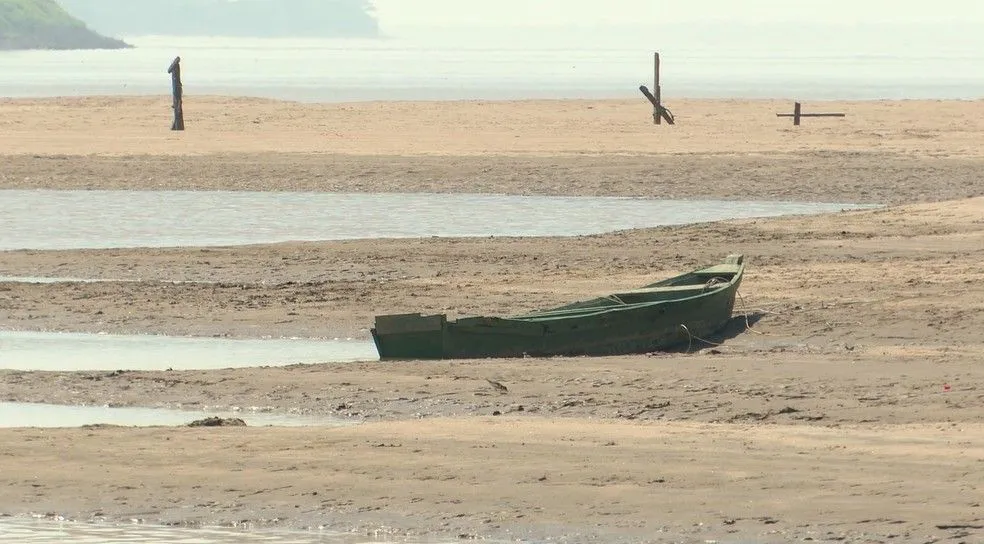
In addition, the Cemaden report also pointed out that about 3,978 cities in Brazil are currently facing varying degrees of drought, of which 201 cities are in a state of extreme drought, the highest number on record. The regions with the most extreme drought cities include Sao Paulo state (82 cities) and Minas Gerais state (52 cities), and this number of cities showed an upward trend in early September and may exceed 4,500.
Drought and the absence of rainfall have also affected the local soil. According to data, the average soil moisture in Brazil from May to July was 66.10 mm lower than the level in the same period last year. In places such as Sao Paulo state, Minas Gerais state, Goias state and the Federal District of the Brazilian capital, because humidity was below 12%, a red emergency state was declared, while multiple other areas with relative humidity below 30% entered orange or yellow emergency states, and the recent drought and fires will worsen this situation.
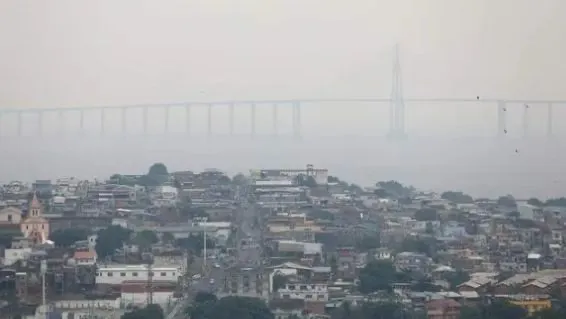
The thick smoke from the fires has worsened air pollution. According to monitoring data, the level of air pollution in Minas Gerais is about 10 times higher than the World Health Organization (WHO) standard. To a certain extent, air pollution also affects plant photosynthesis and growth, ultimately leading to quality decline and reduced yields.
It is understood that both São Paulo state and Minas Gerais state are major agricultural and livestock production regions in Brazil, and both are rich in coffee production. Minas Gerais alone accounts for 30% of the country's coffee production. Currently, Brazil's coffee trees are in the flowering period. The lack of rainfall and the very dry and drought-like weather conditions are unfavorable for growth. At the same time, there are concerns that the La Niña weather expected to appear at the end of the year will intensify the climate impact. This situation will affect Brazil's coffee production in next year's new crop season.
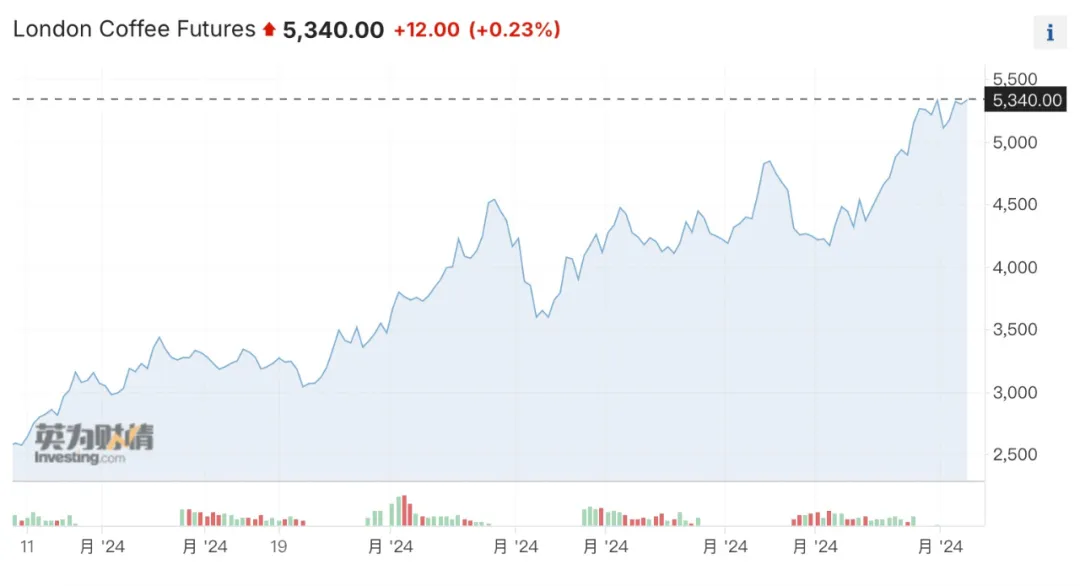
Moreover, Brazil is the world's largest coffee-producing country, and currently Brazil's domestic August robusta spot price is1483.95 reais/bag, having risen by a cumulative16.73%, and surpassing the arabica spot price; in August the Brazilian arabica price was 1448.24 reais/bag. And the international robusta price has also reached 5340 USD/tonne, while the international arabica price is at 296.5 cents/lb. Now these unfavorable climate conditions are keeping domestic Brazilian and international coffee prices high, and may even push prices up further.
To learn more coffee origin news and information, please scan the QR code to follow: Kaping
Long-press the QR code to follow:

Related Reading




Comments (0)
Loading comments...
You May Be Interested




Trending Reviews
Popular Videos

With you, wherever you are! We provide useful features to help you find new things you'll love






