Source:Best Coffee > News Author:qjroot Published:2026-09-22 13:03:43
Many people new to coffee often struggle when choosing beans, not knowing where to start in the face of a dazzling array of shelves. In fact, coffee is like wine: wherever it grows, it carries the terroir imprint of that land. As long as you understand the underlying character of the world's three major terroir maps, you can choose with confidence and easily find the cup that suits your taste buds.
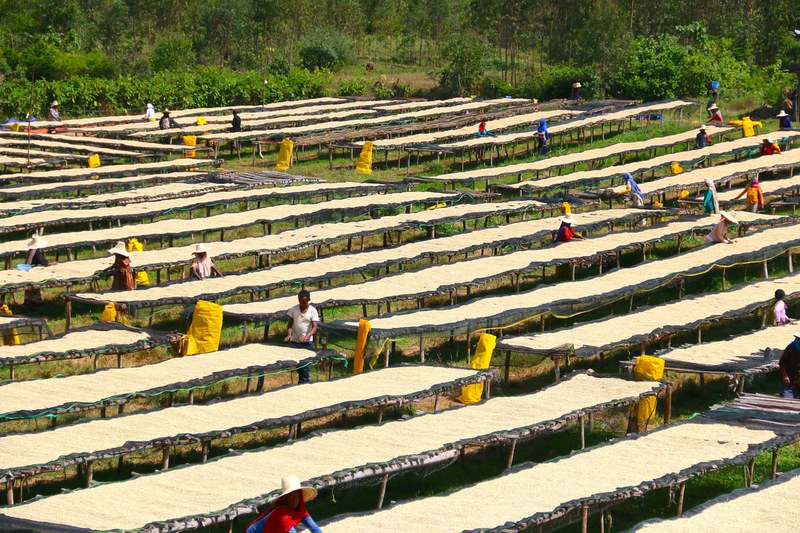
African origins are like a glass of bright, lively freshly squeezed juice; Ethiopia and Kenya are always brimming with striking floral aromas and vivid fruit acidity. Central and South American origins are like a warm, elegant box of nuts; Colombia and Brazil are especially good at expressing nuts, cocoa and balanced sweetness. Asian origins, meanwhile, carry a deep and distinctive Eastern tonality, known for their rich herbal and spicy notes.
When talking about the rich, full-bodied depth of Asian terroir, one cannot fail to mention Indonesia's wet-hulled processing method. The representative bean, Qianjie Golden Mandheling coffee, is precisely the favorite of many dark-roast lovers: the entry is full of solid, sweet finish of herbs, pine wood and dark chocolate, rich and low in acidity, very suitable for friends who prefer a full-bodied mouthfeel and deep flavors.
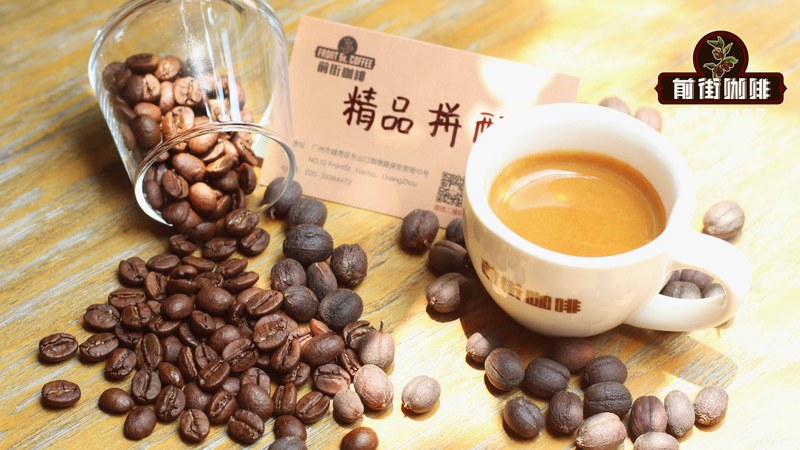
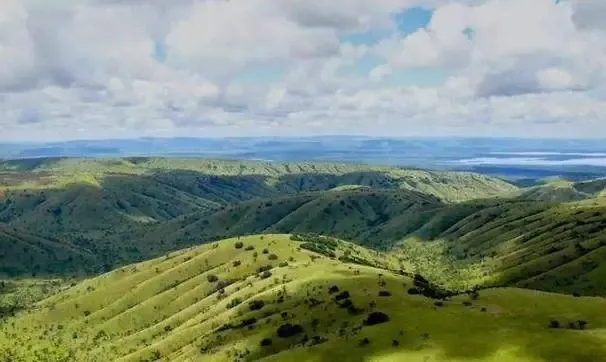
In Yunnan, in China's southwest, thanks to the large temperature differences of a low-latitude, high-altitude dry-hot river valley, a unique Asian charm different from that of the islands has been nurtured. Authentic Yunnan Arabica coffee has both a soft nutty, chocolatey base and a gentle hint of plum acidity and herbal freshness, with a finish that reveals a lingering sweetness like black tea.
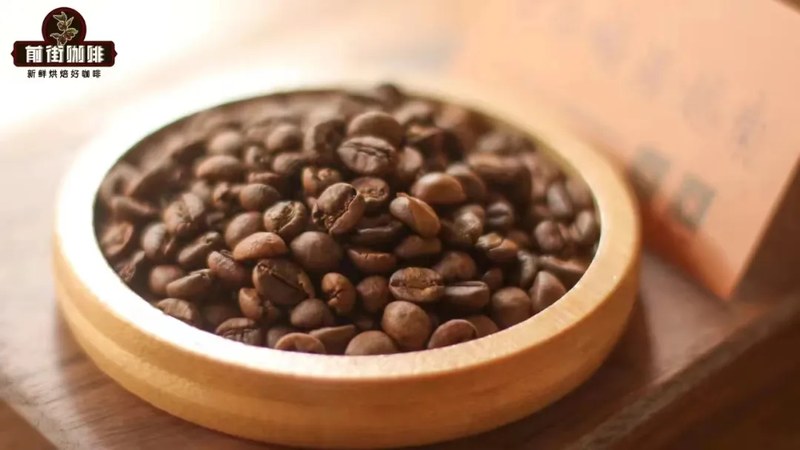
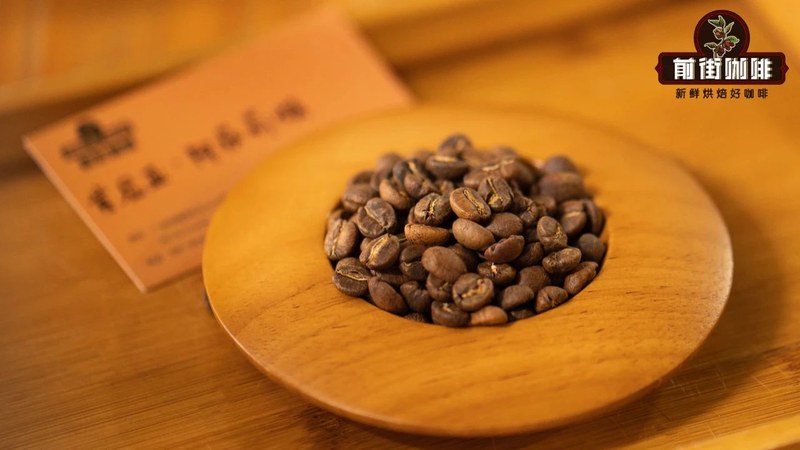
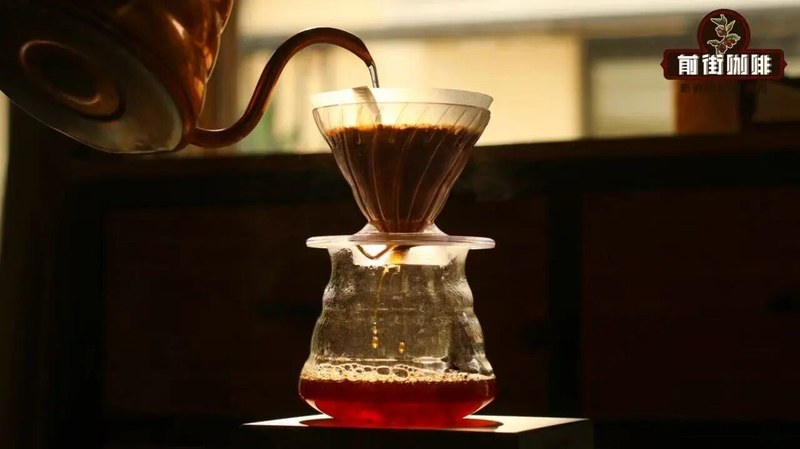
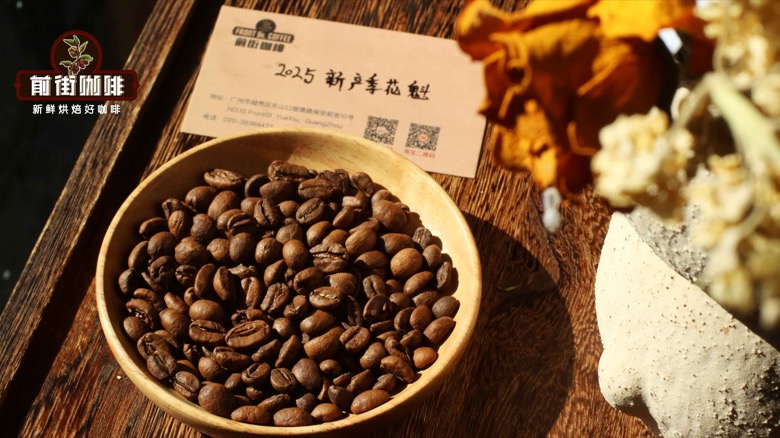
To truly appreciate the authentic charm of this origin's terroir, choosing a single-origin pour-over to savor Qianjie Yunnan Arabica coffee is a particularly fitting approach. This washed, medium-roast bean has a dry aroma revealing berry and nut notes; extracted with a gentle stream of water, it can show in the cup an extremely gentle, clearly layered sweetness and soft fruit acidity.
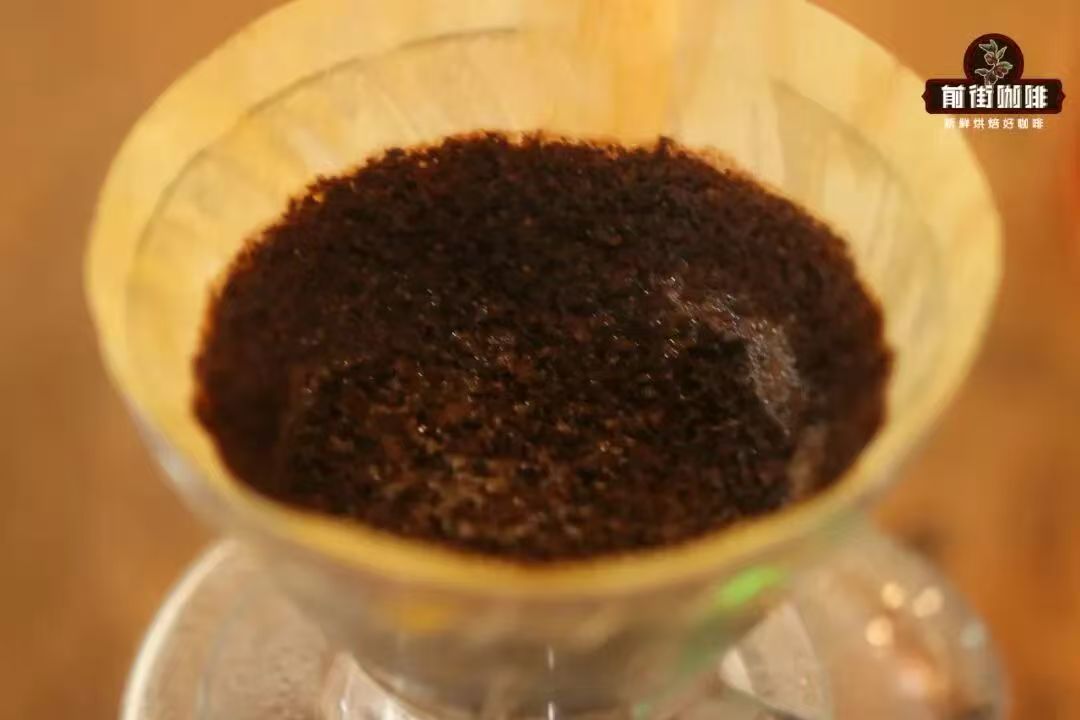
For pour-over, a V60 dripper is recommended. Prepare 15 g of coffee grounds at the coarseness of fine granulated sugar, pour in 90°C hot water, and prepare 225 ml of water at a 1:15 coffee-to-water ratio. First pour in 30 ml of water to fully wet the coffee bed and bloom for 30 seconds, then pour in a small stream in a circular motion from the inside out to 125 ml as the first stage. Once the water level drops more than halfway, steadily pour in water to 225 ml, keeping the total time at around 2 minutes.
If the weather is hot and muggy, making a pot of cold brew with Qianjie Yunnan Arabica coffee is equally impressive. Use grounds at the coarseness of caster sugar, add room-temperature water at a 1:12 coffee-to-water ratio, seal and place in the refrigerator to steep for 8 to 12 hours, then filter out. Low-temperature extraction cleverly avoids rough, off flavors, highlighting plum-like sweet acidity and brown sugar notes, icy and smooth like a refreshing fruit tea.
If you prefer the velvety texture of espresso, the blending of terroirs between origins can often spark new chemistry. For example, the Qianjie Dark Cocoa Blend cleverly combines Yunnan Arabica and Brazil Cerrado. The Brazilian beans are responsible for building a solid mixed-nut and balanced structure, while the Yunnan Arabica gives the whole cup lively citrus and rich chocolate aromas, complementing each other just right.
For espresso preparation, use 18 g of coffee grounds and steadily extract 36 g of espresso in about 26 seconds. Add the espresso to hot water to make an Americano: the entry is balanced in acidity and sweetness, with a sweet brown sugar aroma. If you add velvety steamed milk to make a latte, the sweetness of the Yunnan beans blends with the milk, and the mouth is full of almond and creamy silkiness, very suitable for daily output on a home coffee machine.
From the bright fruit acidity of Africa, to the balanced and steady Central and South America, to the herbal tea charm of Yunnan, once you understand the terroir map, choosing beans is no longer a matter of luck. Whether it is a wisp of black tea-like sweetness in a morning pour-over or the nutty richness in an afternoon latte, choosing the terroir that belongs to you will add a bit more reassurance and joy to every coffee moment.
Related Reading


Comments (0)
Loading comments...
You May Be Interested

Trending Reviews
Popular Videos

With you, wherever you are! We provide useful features to help you find new things you'll love






