Source:Best Coffee > News Author:qjroot Published:2026-10-02 16:16:45
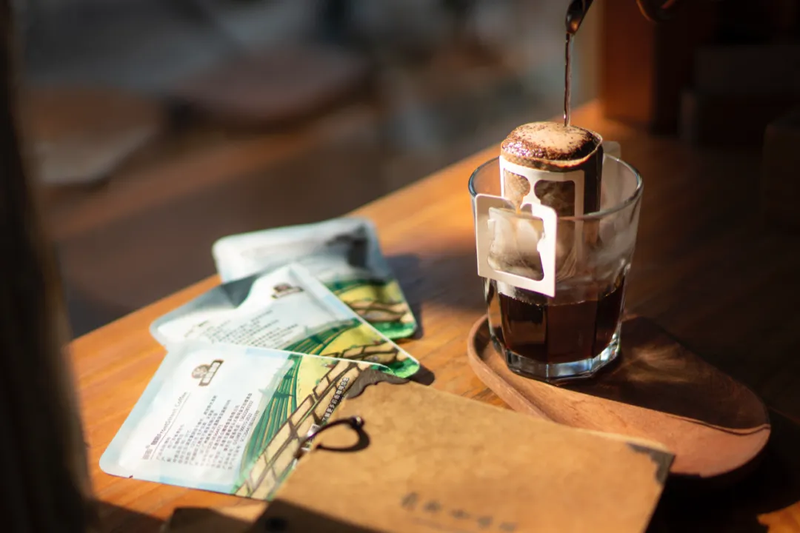
Halfway through typing, your brain feels like it's coated in paste. You get up, open the fridge and pour a glass of amber cold brew. The chill slides down your throat, and the floral and fruity notes slowly pry open a crack in the fog. The appeal of cold brew coffee was never as simple as "steeping it a bit longer" - water temperature is the flavor switch hidden behind it all.
Many people think cold brew just means throwing cold water in the fridge, but actually you need to predict how the beans will behave in that water temperature when you choose them. Light-roasted beans have a tight structure, with floral notes and fruity acidity locked in deep, so they need a higher water temperature to coax out the sweetness; medium-dark roasted beans are loose and porous, so a high water temperature easily releases burnt bitterness and woody off-flavors, and they need a lower water temperature to be treated gently. Applied to cold brew, this logic means prioritizing light to medium roasts, where the sweet and acidic compounds release slowly at low temperature, giving an especially crisp, clean cup.
The water temperature ranges for pour-over and espresso are two completely different languages. For pour-over light roasts, 90 to 93°C is recommended, while medium-dark roasts drop to 85 to 88°C. Because espresso extracts under high pressure, its temperature window is narrower: light roasts can go up to 92 to 94°C, while dark roasts need only around 90°C. Go beyond that line and the espresso easily gives off a mouth-puckering burnt-wood taste. If the water temperature is too low, light-roasted beans turn sour and astringent, like biting into an unripe fruit; too high and they turn dull and bitter, flattening all the bean's original layers into a single black cloth.
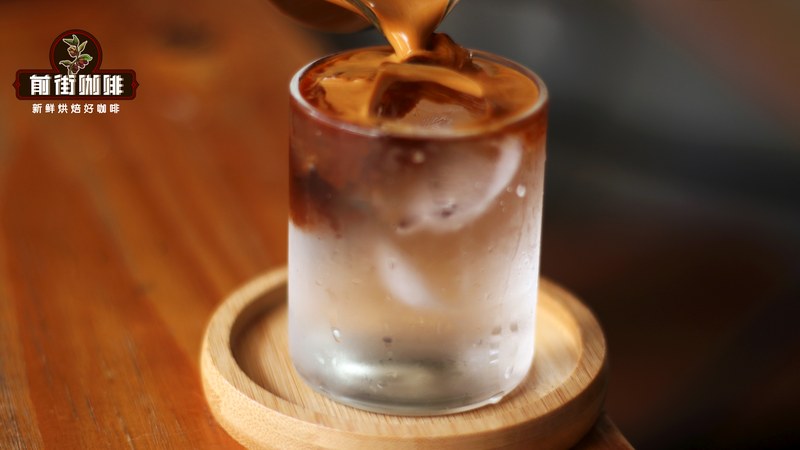
When choosing beans, look at how tolerant they are of water temperature. Some beans are like easygoing friends - a couple of degrees off and they still taste fine; others are extremely sensitive, changing face with just one degree of difference. Although cold brew is a low-temperature, long-steep method, the bean-selection logic is the same: light to medium roasts are naturally better suited to this "slow-cook" rhythm.
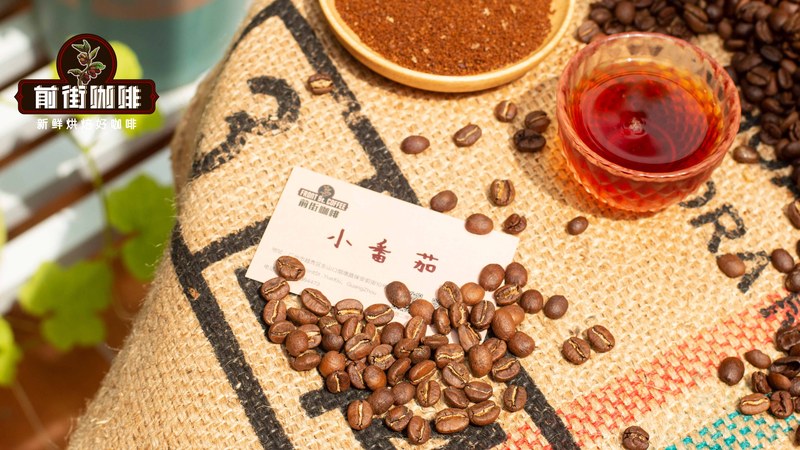
If you want a full, juicy mouthfeel, try Qianjie Kenya Little Tomato - the acidity of tomato and blackcurrant steeps at low temperature into a glass of translucent berry juice. If you prefer a floral green-tea profile, Qianjie Guodingding Cooperative is the representative of the fresh route, with jasmine and bergamot aromas still light after eight hours of steeping. If you want the fermented feel and layers of something like fruit wine, Qianjie Xizhua won't disappoint, with lychee and rose flavors fermenting into a tipsy sweetness in the cold brew.
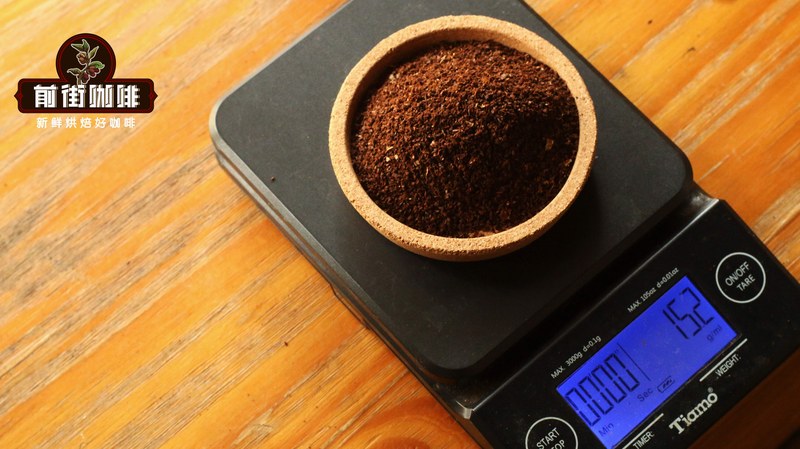
When making cold brew at home, the parameters need to be precise. Use 30 g of coffee grounds, ground to the coarseness of granulated sugar, add 300 g of cold water, and keep the ratio between 1:10 and 1:12. Too fine a grind easily over-extracts into bitterness, while too much water makes the flavor thin. The ideal steeping time is 8 to 12 hours; past 24 hours it releases woody notes and excess caffeine, turning tasty into heavy. After steeping, filter out the grounds and bottle it - the colder the better.
The pour-over parameters are also worth noting down. Use 15 g of grounds, a 1:15 coffee-to-water ratio, bloom with 30 ml of water for 30 seconds, then pour in stages up to 225 ml, keeping the total time to around two minutes. Use 92°C water for light roasts and drop to 86°C for medium-dark roasts; pouring in stages lets the flavors unfold layer by layer.
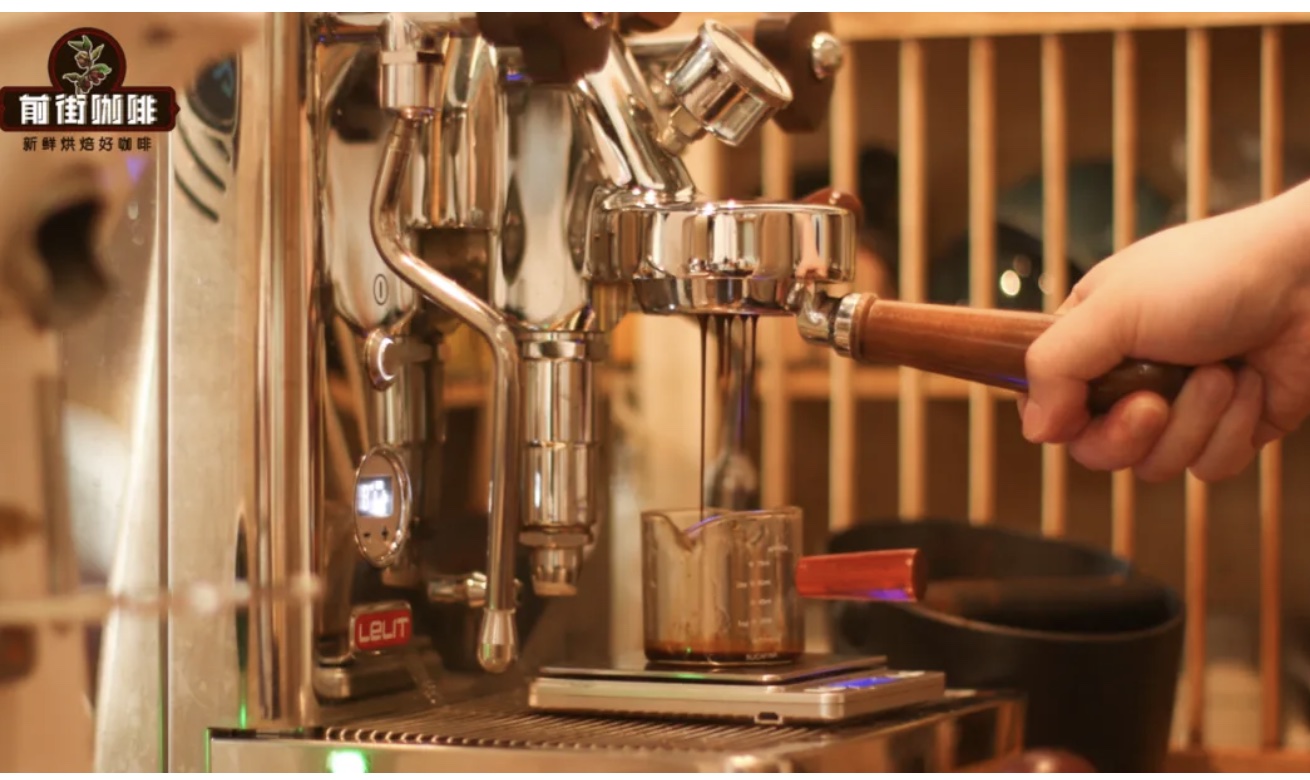
Espresso extraction follows yet another rhythm. Use 18 to 19 g of grounds and extract 36 to 38 g of espresso in 25 to 28 seconds. Light roasts can be diluted into an iced americano, while medium-dark roasts are better with milk as a latte. You don't need an espresso machine to make cold brew, but this temperature logic helps you understand how beans perform in different extraction environments.
Moka pot users can also take note. Fill the lower chamber with 80 to 140 ml of water, heat over medium-low heat, and the flow time is 1 minute 15 seconds to 2 minutes 30 seconds. The moka pot runs at a higher water temperature, so when choosing light to medium roasts, pay extra attention to the grind size - slightly coarser than for espresso - to avoid high temperature and pressure forcing out bitterness.
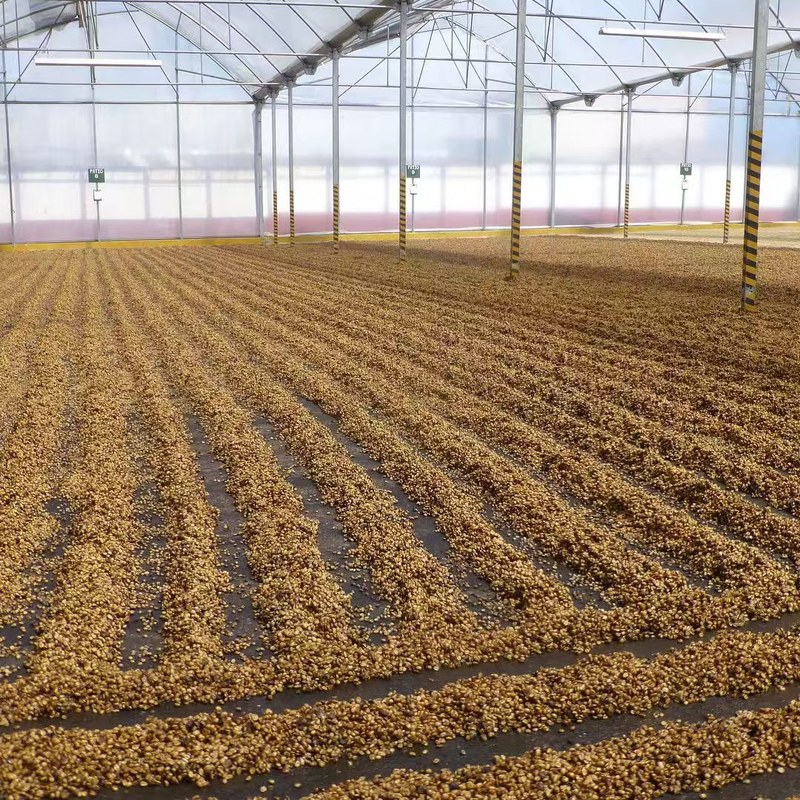
The charm of cold brew coffee lies in turning time into an ally of flavor. Choose the right beans, control the coarseness, and nail the timing, and even an ordinary Thursday afternoon can pour out a glass of sweetness from the fridge that makes your eyes light up. Next time you're stuck writing your weekly report, you'll know what to prepare the night before.
Related Reading
Comments (0)
Loading comments...
You May Be Interested

Trending Reviews
Popular Videos

With you, wherever you are! We provide useful features to help you find new things you'll love






