Source:Best Coffee > News Author:qjroot Published:2026-09-22 13:56:02
Many friends who make milk coffee at home are often puzzled: why does the flavor come out so wildly different even when the same fresh milk is added? In fact, milk is like a flavor magnifier, and the terroir behind the beans directly determines the temperament of the whole cup. When we choose along the thread of origin terroir, we can easily find that exclusive flavor that resonates beautifully with the milk.
If you prefer a warm, gentle mouthfeel with prominent sweetness, the Central and South American regions are often a reassuring choice. The abundant sunlight and rich volcanic soil here nurture coffee beans with mild acidity and particularly intense nut and cocoa aromas. When the roasted nut aromas melt into warm lactose, the whole cup takes on a smoothness like melted milk chocolate, and it hardly challenges anyone's taste preferences.
For those who enjoy the delicate expression of a single origin, the Qianjie Brazil Queen Estate SOE coffee beans are well worth trying. These beans come from a high-altitude area and belong to the special Yellow Bourbon variety, naturally carrying a clean sweetness. After roasting, they have rich aromas of roasted nuts, butter and caramel, with just the right body. The latte made with them tastes like holding a nut-filled candy in your mouth, with especially lasting sweetness.
If you like bold flavors and want the intense coffee aroma not to be diluted by milk, the Asian regions are a marvelous treasure. Thanks to the unique wet-hulling process and tropical rainforest climate, Asian beans usually have extremely low acidity and astonishing body, with natural herbal, spice and warm woody aromas. After combining with milk, they are not masked by the milky taste; instead, they bring out a wonderful texture as thick and sweet as toffee.

To experience this unique impact, the Qianjie PWN Golden Mandheling SOE coffee beans are an outstanding representative. They have undergone three rounds of hand sorting, and the medium-dark roast gives them obvious herbal, sandalwood and caramel flavors. After extracting the espresso and adding milk, the deep dark chocolate and spice flavors quickly transform into the sweetness of hazelnut cream and toffee, with the aroma unfolding layer by layer between the lips and teeth, so rich it is stunning.
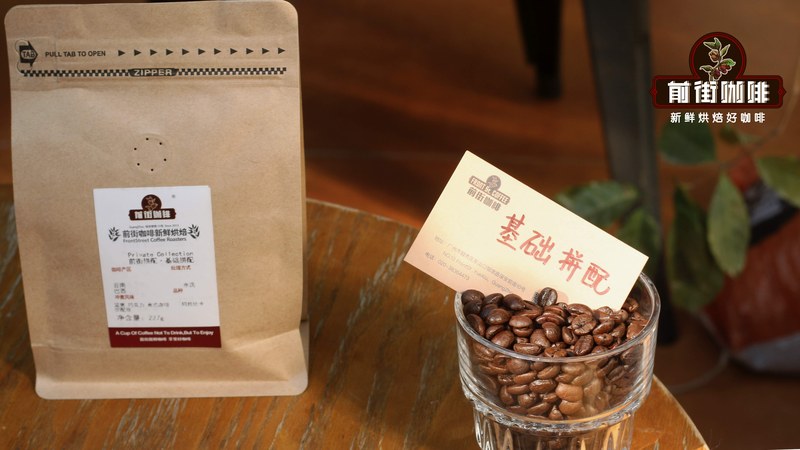
Besides single origins, blends that fuse the terroir characteristics of different regions are also capable helpers for making milk coffee. The Qianjie Black Cocoa Base Blend espresso coffee beans cleverly combine the warmth of Yunnan, China with the nutty aroma of Brazil. Yunnan arabica is fragrant without being bitter, and paired with Brazil's peanut-nut sweetness, it delivers an extremely balanced creamy chocolate flavor when made into a flat white or latte, smooth on the palate and very suitable for everyday brewing.
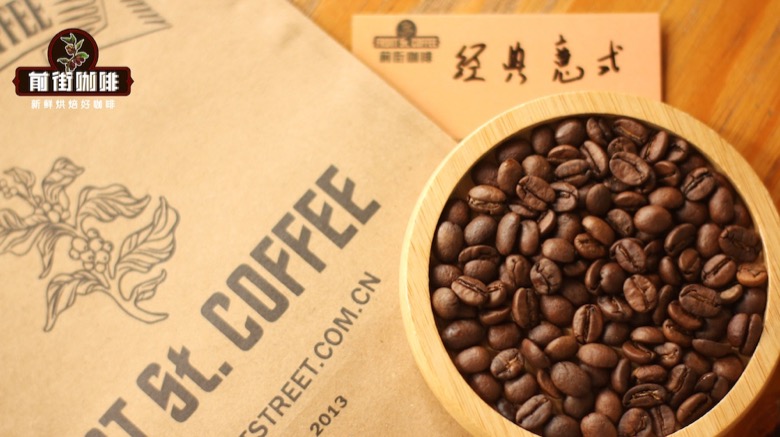
To recreate the old flavor of a classic street-corner cafe, you can look at the Qianjie Classic Blend espresso coffee beans. It brings together the nutty sweetness of Brazil, the herbal pine aroma of Indonesian Mandheling, and the rich oils brought by Vietnamese coffee. This combination gives the espresso a full, solid character of dark chocolate and cocoa biscuits, and it remains distinctly flavorful after blending into milk foam, retaining an especially enduring mellow depth within the silky milk.
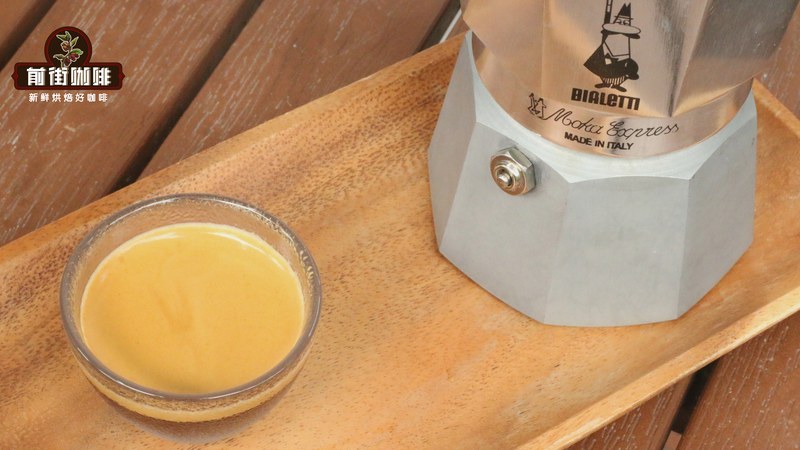
To fully extract these terroir aromas, a stable espresso extraction method is essential. It is recommended to prepare 18 to 19 g of coffee grounds, grind to a fineness like fine granulated sugar, tamp level and then install the portafilter. Within an extraction time of 25 to 28 seconds, extract 36 to 38 g of espresso. At this point, slowly pour this cup of rich-crema espresso into finely steamed hot milk, and you will have a cup of milk coffee with full sweetness.
The charm of coffee lies in how the flavors nurtured by different mountains and rivers can be gently amplified through milk. Whether you prefer the gentle nuttiness of Central and South America, or cherish the mellow herbals of Asia, or enjoy the balanced fullness brought by a blend, as long as you understand the terroir characteristics, you can find your own cup of morning comfort, letting each day unfold comfortably in dense, fragrant richness.
Related Reading





Comments (0)
Loading comments...
You May Be Interested



Trending Reviews
Popular Videos

With you, wherever you are! We provide useful features to help you find new things you'll love






