Source:Best Coffee > News Author:qjroot Published:2026-10-09 18:41:36
When I do cupping in the shop day to day, heavily fermented beans always stand out. They carry aromas of overripe fruit or even sweet fermented rice, but a moment of carelessness and the pour turns dull, astringent or muddled. The flavor of these beans comes from microorganisms breaking down sugars during processing; natural, honey and anaerobic fermentation all amplify this trait. When picking beans I usually check the processing label first - the more pectin retained and the longer the fermentation, the more intense the flavor direction. Qianjie Blackberry uses Costa Rican black honey processing, with pectin almost completely retained and a deep fermentation level; it drinks like berries candied with sweet orange, and blueberry notes hide within the floral aroma. This kind of bean has a fairly narrow extraction window, so the parameters need to be tightened up.
Roast level is the second anchor point. Light-medium roasted fermented beans have brighter florals and fruit acidity, but a thinner structure; medium roast pushes the fermented aroma toward dried fruit and chocolate, with a more solid sweetness. Qianjie Costa Rica Mozart is raisin honey processing plus medium roast, with concentrated dried fruit and pineapple sweetness, and red florals balanced just right against berry acidity. For this one I use 90°C water, 2 to 3 degrees lower than light-roasted beans, to avoid high heat scorching the caramelized edge typical of honey processing. Beans from Qianjie are all roasted within 5 days, ready to brew as soon as you open the bag, and drinking them within a month gives me more peace of mind.
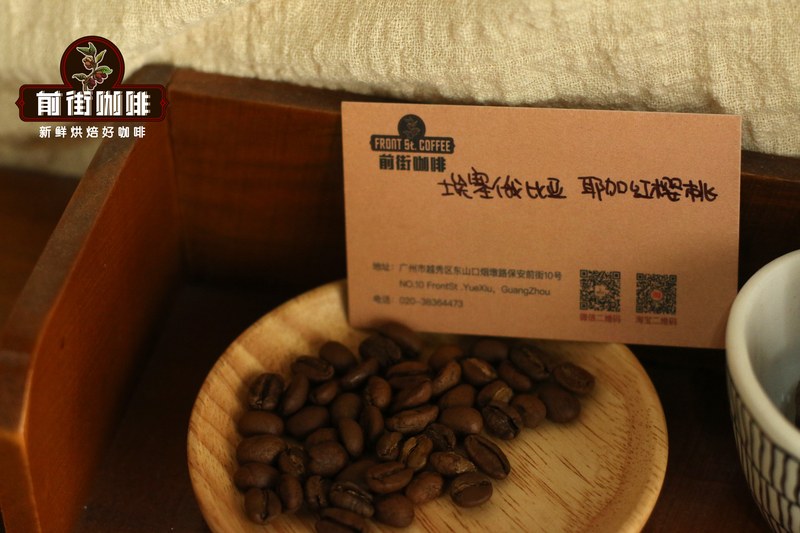
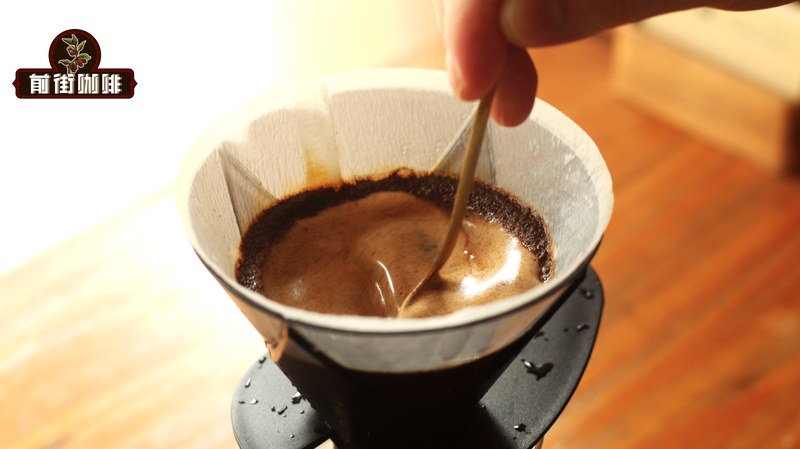
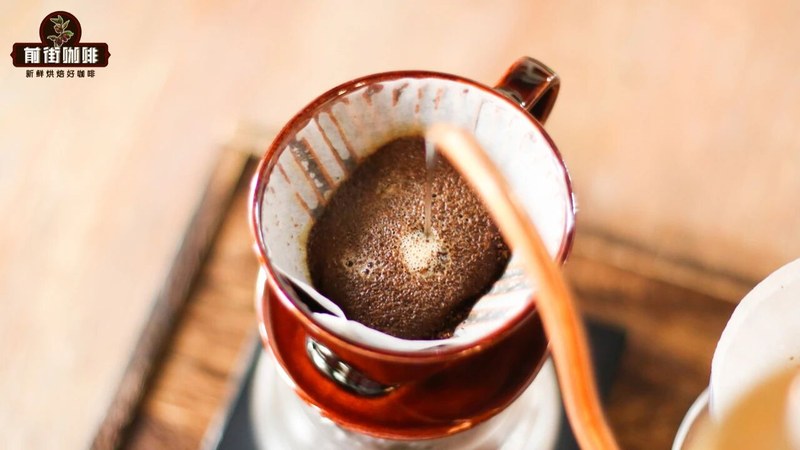
For pour-over parameters I always use 15g coffee to 225g water, a 1:15 ratio, in a V60 dripper. For heavily fermented beans I suggest keeping the total time to about 2 minutes, slightly shorter than a regular natural bean. Blooming is still 30g water for 30 seconds, but the subsequent pouring should be gentle - a thin, steady stream, and don't circle too quickly, to reduce convective agitation. Two or three pours are both fine; the key is not to let the later stages soak too long. Qianjie Xizhua comes from Finca La Divisa in Huila, Colombia, double anaerobic natural plus medium roast, with plenty of ripe grape and apricot juice character. For this one I usually do three pours: the second pour tops up to 150g with a small stream, and the third pour finishes with a centered single-point pour, moving the cup away right at 2 minutes.
The logic for fine-tuning water temperature is simple: use 93°C for light-roasted fermented beans, letting citrus and florals fully open up; drop to 90 to 91°C for medium or medium-dark roasts, suppressing the woody and astringent notes in the later stages. Qianjie Yirgacheffe Red Cherry is natural medium roast, with soft citrus acidity, creamy chocolate and cookie aromas, clear sweetness and light bitterness. 91°C suits this one well, releasing the ripe fruit sweetness of the natural process without brewing the chocolate notes into bitterness.
Widening the ratio appropriately is another technique for stabilizing fermented flavors. 1:15 is slightly stronger than the common 1:16, letting you capture the core flavors in limited time and reducing the room for muddy notes to dissolve out in the later stages. On pouring technique, I tend to reduce the number of circles and pour mostly in the center after the second stage, letting the coffee bed descend steadily. Fermented beans usually release carbon dioxide more actively than regular naturals, and the bloom puffs up more, but don't extend the bloom time because of it - 30 seconds is enough, otherwise the early-stage acidity will be over-extracted.
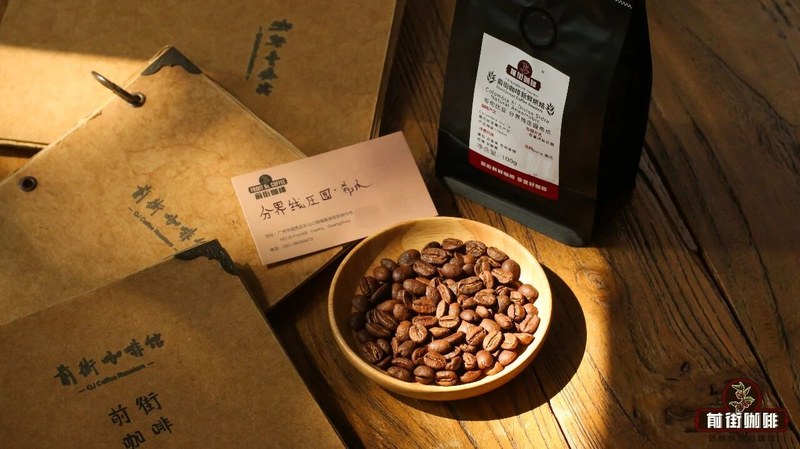
To wrap up, let's talk about balance in flavor expression. More fermentation isn't better; a good fermented bean should be like Qianjie Blackberry, with berry sweetness carrying bright orange acidity, and florals faintly present in the background. The goal of brewing is to present these layers steadily, not to let the boozy aroma overpower everything. If you taste obvious acetic acid or rotten fruit, it means over-extraction or the beans are in the wrong state - just go back to the parameters and check water temperature and time. The core of brewing fermented beans is restraint - a little lower on temperature, a little tighter on time, a little gentler on the pour, letting the flavors gifted by microorganisms unfold in the cup in an orderly way rather than all rushing out at once. Try it a few more times and you'll find that sweet balance point that belongs to fermented beans alone.
Related Reading




Comments (0)
Loading comments...
You May Be Interested


Trending Reviews
Popular Videos

With you, wherever you are! We provide useful features to help you find new things you'll love






