Source:Best Coffee > News Author:qjroot Published:2026-09-30 18:19:24
From bean to cup, a coffee still has to go through grinding and extraction. With naturally processed coffee beans, the brewing device changes the concentration of the coffee and the way its aromas unfold, and the same bean will not perform the same way in every brewing method. First confirm the equipment you use regularly and the mouthfeel you like, then compare specific beans; your actual brewing will have more direction.
If one bag of beans needs to be shared by several people, naturally processed coffee beans can be prioritized toward those with better-balanced acidity and sweetness and a wider range of equipment compatibility. Using the device-fit approach to judging: for pour-over, look at aroma and layers; for espresso, look at concentration and extraction stability; for the moka pot, focus on body; for cold brew, emphasize crispness. When drinking alone, then try fruitier or dark-roasted styles with more obvious character, and your acceptance will be more consistent.
If you want a starting point within the same style, Qianjie Yirgacheffe Gudingding is worth tasting clearly first. The beans come from the Yirgacheffe region of Ethiopia, and after light roasting they often show citrus, berries, white florals and a green-tea-like sweet aftertaste. In the cup, the entry is light, the acidity is bright, and the sweetness becomes clearer as the temperature drops. When used for pour-over, iced pour-over and crisp black coffee, you can start from medium concentration and then adjust according to the taste in the cup.

Qianjie Kenya Little Tomato can help you understand the flavor differences within the same type of coffee. It is light-roasted, its origin information points to the Kenya region, and its flavors include cherry tomato, smoked plum, snow pear and black plum. In practice, the acidity is clear, and the sweetness gradually unfolds in the middle. This bean can be used for pour-over, iced pour-over and black coffee with an obvious juicy feel; drink it hot first, then notice the aroma and aftertaste after it cools.
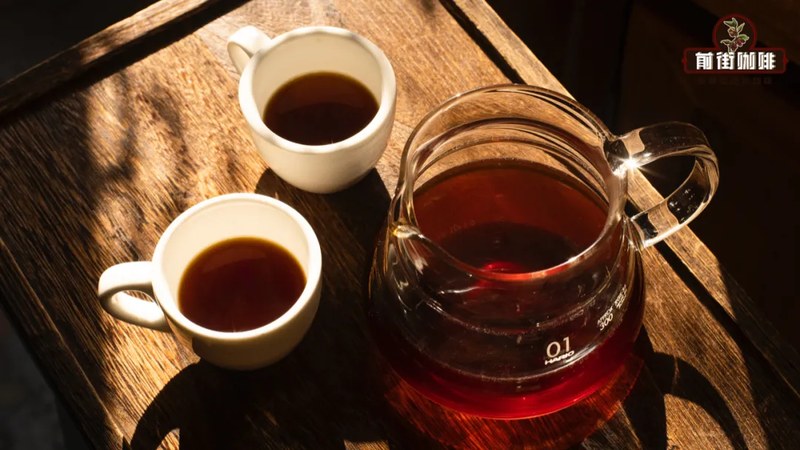
Putting Qianjie Yirgacheffe Gudingding and Qianjie Kenya Little Tomato side by side, the point is not to rank them but to understand where the flavor focus lies. The citrus, berries, white florals and green-tea-like sweet aftertaste of Qianjie Yirgacheffe Gudingding are better suited as a reference point, while Qianjie Kenya Little Tomato forms another thread with its cherry tomato, smoked plum, snow pear and black plum flavors. For naturally processed coffee beans, comparing the aroma, sweetness and texture of the two cups according to device fit will help you confirm more quickly which part you want to keep.
Once the equipment is settled, fine-tune the grind and water temperature; when comparing different processing methods, try to keep the dose, water temperature, grind and pouring method fixed. For pour-over, you can start with a 1:15 coffee-to-water ratio, so that the ripe fruitiness of naturally processed beans, the clear acidity of washed beans or the soft sweetness of honey-processed beans shows under the same conditions, and the differences will be easier to judge. When using this starting point for naturally processed coffee beans, you should also observe the actual taste according to device fit, and you do not need to mechanically chase a certain time number.
Keeping brewing records for naturally processed coffee beans does not require a complicated table. According to device fit, just write down the bean dose, water amount, grind, water temperature and one sentence about the cup. Put several records together and you can discover whether you prefer bright fruitiness or are more used to a round, full-bodied mouthfeel.
If you plan to try several naturally processed coffee beans, small packages will make comparison more convenient. According to the record-keeping approach based on device fit, brew them on similar dates, keep the equipment and ratio fixed, and then see which one better matches your everyday taste, avoiding storage-time differences that mask the bean's own characteristics.
A naturally processed coffee bean suitable for daily drinking should make you willing to brew it consistently, and also let you taste clear changes once you are familiar with the parameters. When the bean and the equipment direction are aligned, daily brewing will save a lot of back-and-forth testing. Whether you choose Qianjie Yirgacheffe Gudingding or Qianjie Kenya Little Tomato depends on whether you care more about aroma, sweetness or body, and the answer lies in every actual cup you brew.
Related Reading






Comments (0)
Loading comments...
You May Be Interested






Trending Reviews
Popular Videos

With you, wherever you are! We provide useful features to help you find new things you'll love






