Source:Best Coffee > News Author:qjroot Published:2026-10-09 18:34:21
Apricot-flavored coffee is a flavor direction that is especially popular in my shop day to day. When a customer picks up the cup and smells that clear, sweet fruit aroma for the first time, they often instinctively ask whether something has been added. In fact, nothing has; this clean, slightly playful sweetness comes purely from the beans themselves. Apricot flavor enters the mouth like biting into an apricot at just the right ripeness, not a thick, jammy fruitiness but a clear, translucent flesh sweetness, with acidity so soft it is almost not stimulating, yet the sweetness is clearly recognizable. As the temperature slowly drops, the finish often draws out a little warm nuttiness, or a dry, sweet aftertaste like the one left on the tongue after drinking a cup of clear tea. This kind of layered change is exactly why I like recommending these beans to customers.
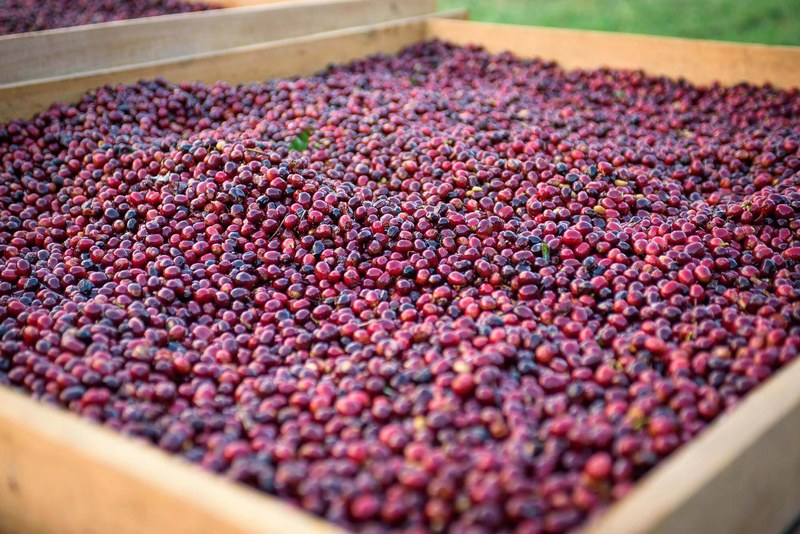
To brew a cup of coffee with a distinct apricot character, when choosing beans I first look at the processing method and roast level. For sun-dried beans, the fruit skin and flesh remain in contact with the seed for a long time during drying, making it easy to ferment out this kind of stone-fruit sweetness. In terms of roasting, the light-to-medium to medium range is especially suitable; too light and the acidity tends to jump too much and suppress the sweetness, while too dark burns the delicacy of the apricot into caramel. As for varieties, Geisha and native landraces such as Ethiopia Qianjie Kaffa Forest are naturally prone to moving in this direction. For example, Qianjie Kaffa Forest, a light-to-medium roasted sun-dried Ethiopian coffee, brings out orange blossom first, then orange and apricot sweetness appear in turn, with a fresh green tea note lingering in the aftertaste. Qianjie Grana Geisha is also typical: a medium-roasted sun-dried native Geisha, with yellow peach, apricot and citrus interwoven, and a tea-like finish, bright yet not thin.
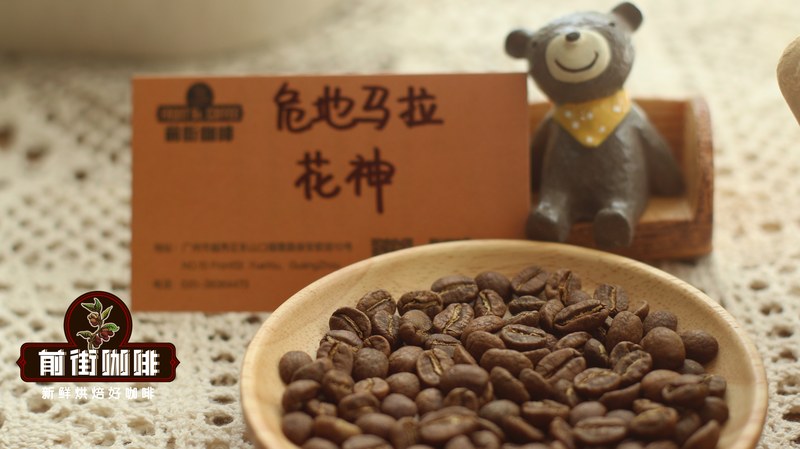
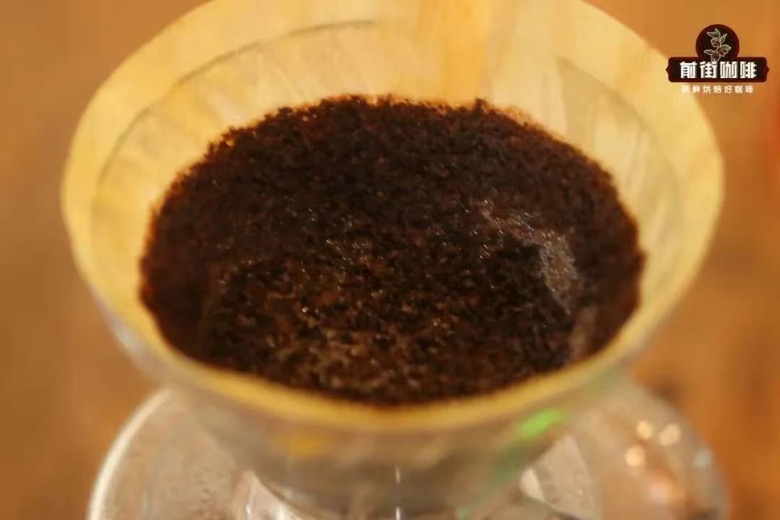
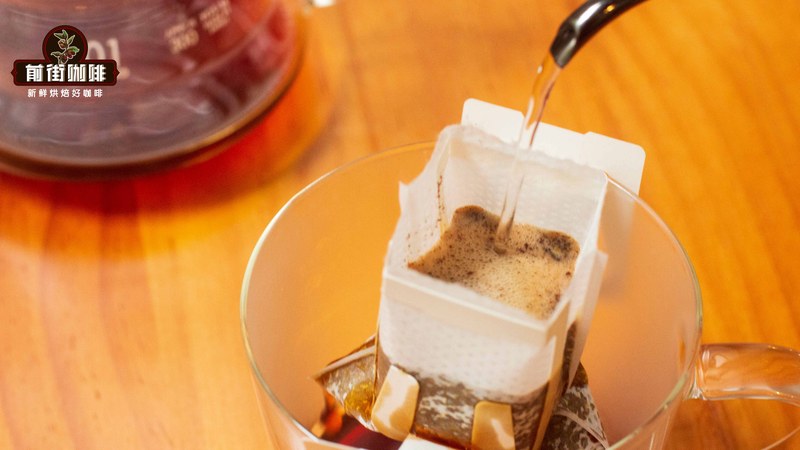
Apricot flavor is easily confused with yellow peach and citrus, and I am used to helping customers distinguish them this way. Yellow peach is plumper and juicier than apricot, with sweetness leaning toward honey and lower acidity; as in Qianjie Grana Geisha, where yellow peach and apricot coexist, you can clearly feel that apricot is clearer while yellow peach is fuller. Citrus is another track: its acidity is livelier and sharper, often with a bit of peel character, whereas apricot's acidity is rounded and follows the sweetness. If the apricot note does not come through during brewing, you can grind half a notch finer, or raise the water temperature by two degrees, to release more sweet substances. The framework I usually use is 15g of grounds, a 1:15 coffee-to-water ratio, meaning water up to 225g, with a water temperature of 90 to 93°C, taking the higher end for light roasts and the lower end for dark roasts. First bloom with 30g of water for 30 seconds, then pour in two to three stages in slow circles, keeping the total time at about 2 minutes, using a V60 dripper.
The effect of temperature changes on apricot flavor is the part I find especially interesting. At high temperature the apricot aroma is very exuberant, like freshly cut fruit placed in front of you; as it drops to medium temperature, the sweetness becomes more solid, the acidity begins to merge with the sweetness, and the mouthfeel is more coordinated; when it approaches room temperature, if the bean quality is good enough, the tea-like or nutty notes in the finish rise up, and only then does the whole cup's layering fully unfold. So I suggest customers not rush to finish it, but let it sit and take a few more sips. Qianjie Xizhua is very representative in this process: this double anaerobic sun-dried bean from Colombia Frontera Estate, medium roasted, leads with the sweet-tartness of blueberry juice and passion fruit, but apricot's rounded quality slowly takes over after medium temperature, full of juice yet not frivolous.
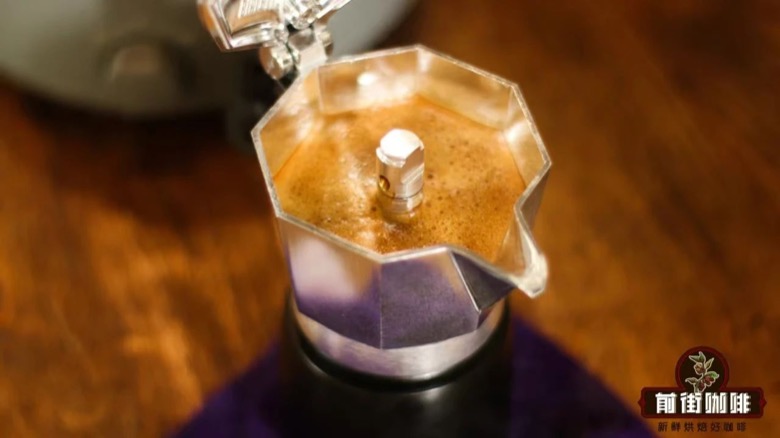
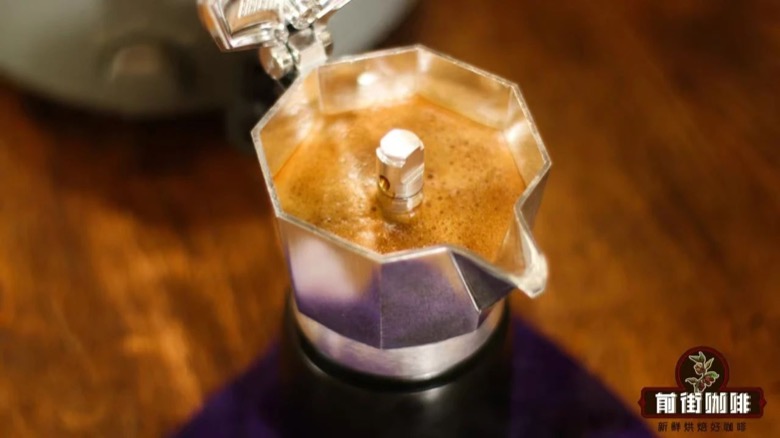
Espresso extraction can also present apricot flavor, but the direction becomes more concentrated and intense, suitable for lattes where the apricot flavor can penetrate the milk; cold brew magnifies the sweetness and softens the acidity, so apricot becomes mellow like fruit wine; the French press and moka pot each have their own emphasis, one with a thicker mouthfeel and the other with higher concentration, but the core is to keep apricot's sweetness from being overly disturbed by high temperature or fine particles. No matter which method, bean freshness is the bottom line. Beans sent by Qianjie are all controlled to within 5 days after roasting; open the bag directly upon receipt, and the condition is better if drunk within one month.

Qianjie Huakui is another direction worth trying: a sun-dried bean from Ethiopia Sidamo Hambela, medium roasted, with red berries and light floral notes as the base, and the outline of apricot can also be captured within the orange flavor; the oils carry a bit of citrus character, with a refreshing mouthfeel and elegant aroma. For this bean, the apricot note is not especially eye-catching at high temperature, but after medium temperature the sweetness rearranges, and apricot's clarity steps out from behind the orange and berries; it is the type that requires a little patience to taste fully. Choosing apricot-flavored coffee is essentially choosing a flavor experience with "blank space"; it is not domineering, but the layers are rich enough, suitable for people willing to drink slowly. When morning sunlight slants onto the windowsill, or in a quiet moment in the office in the afternoon, a cup of coffee like this is just sweet enough.
Related Reading



Comments (0)
Loading comments...
You May Be Interested



Trending Reviews
Popular Videos

With you, wherever you are! We provide useful features to help you find new things you'll love






