Source:Best Coffee > News Author:qjroot Published:2026-08-27 16:29:14
Acidity and bitterness are just two poles of flavor; aroma, sweetness, body, mouthfeel and finish are equally part of what is in the cup. When choosing beans, first locate your own preference - floral and fruity, nutty and cocoa, or the middle ground - then match it by origin, processing method and roast level.
What determines the flavor of a pour-over is not just the beans themselves; origin, variety, processing method, roast level and the final brewing parameters are all interlinked. Light-roasted beans often open with floral and fruity notes, while medium-roasted beans show more prominent sweetness and body; grind, water temperature and pouring rhythm rearrange the order in which aromas appear. Beyond the bean's name, you also need to see how these conditions work together.

Around the question of "which pour-over coffee beans should a beginner buy," you can first break the choice into several parts: flavor preference, the equipment you commonly use, drinking temperature and daily frequency of use. When layering by flavor, it helps to first decide which aspect you care about most, then use the other conditions to filter. This way you keep your individuality while letting the beans show clear characteristics in actual brewing.
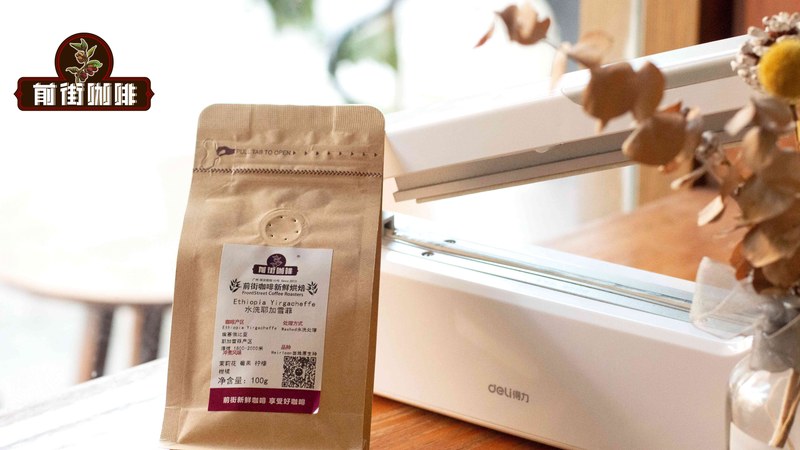
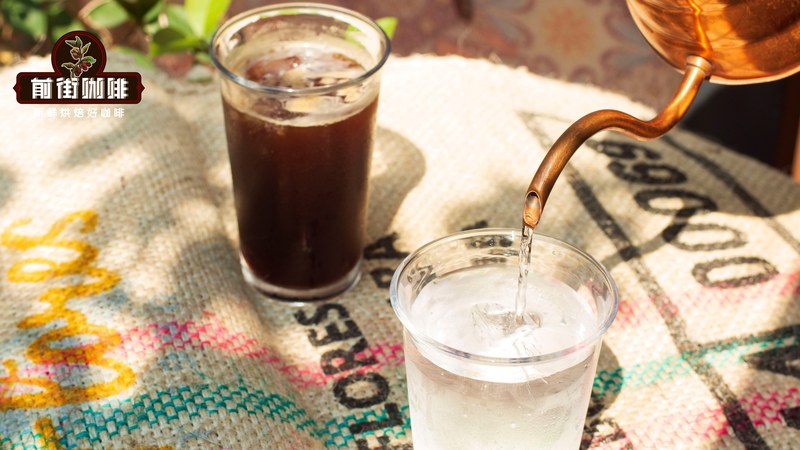
The citrus and berry acidity, floral notes and green-tea-like finish are the hallmarks of Qianjie Yirgacheffe Gudingding; light-roasted pour-over has a prominent aroma, and after cold brew the acidity turns soft.
Qianjie Ethiopia Huakui carries a combination of tropical fruit, strawberry and passion fruit aromas, with lively sweetness, and is suitable whether presented as pour-over, iced pour-over or cold brew.
Qianjie Kenya Little Tomato carries flavors of cherry tomato, smoked plum and brown sugar, with bright yet not thin acidity; those who like juiciness and a clear finish will enjoy it.
Once the flavor direction is set, roast date and storage method still need to be followed up. After opening the bag, keep it sealed and store it in a cool, dry place; buying according to your daily usage makes it easier to observe changes in flavor. When drinking, first smell the dry aroma, then experience the entry, sweetness and finish; if the aroma is not ideal, check the grind size and storage time. The same bean tastes different as a hot drink, with ice, or with milk; record a few sets of parameters and it will not be hard to find the cup that suits you.
First ask yourself what flavors you like, then ask how much effort you are willing to put into brewing. Beans with obvious floral and fruity notes usually require careful control of water temperature, grind and pouring rhythm; blends in the nutty and cocoa direction are more stable and do not discriminate between people for daily cups. If several people at home drink coffee, you can first choose a balanced bean as a base, then add single-origin experiments according to individual preference; this is far easier to compare than buying a batch of beans of similar style all at once.
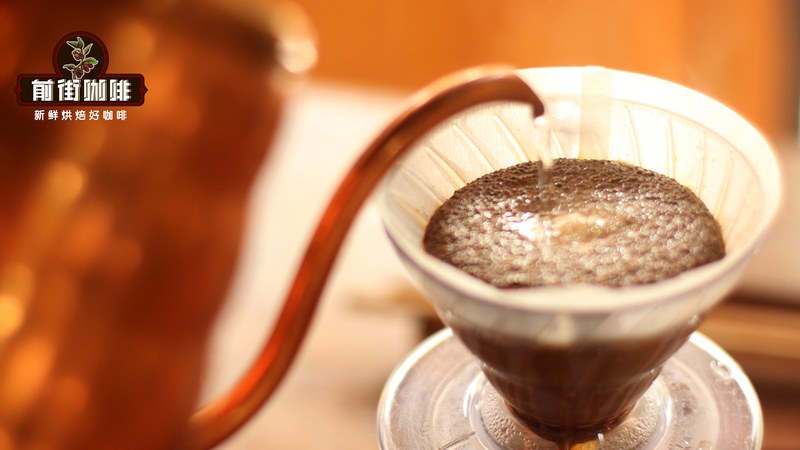
Fixing the coffee-to-water ratio and total water amount, then using grind size as the main lever to adjust your pour-over, is the least troublesome route. A sharp entry is usually a signal of under-extraction; astringency in the tail can be eased by reducing agitation or shortening contact time. Remember to change only one variable at a time, not several parameters together.
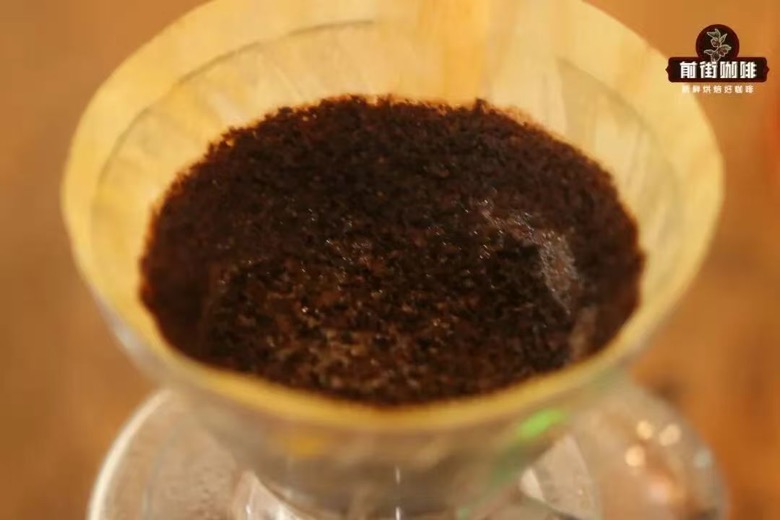
The equipment you normally use, your drinking habits or preferences are not fixed, so three beans might as well be split in two: a daily one responsible for stability, and an experimental one responsible for experiencing floral and fruity notes, nutty and cocoa notes, or changes in processing method. Screen first by flavor direction, then compare specific beans for aroma and mouthfeel; the conclusion will be closer to actual drinking.
Related Reading


Comments (0)
Loading comments...
You May Be Interested



Trending Reviews
Popular Videos

With you, wherever you are! We provide useful features to help you find new things you'll love






