Source:Best Coffee > News Author:qjroot Published:2026-01-06 17:56:25
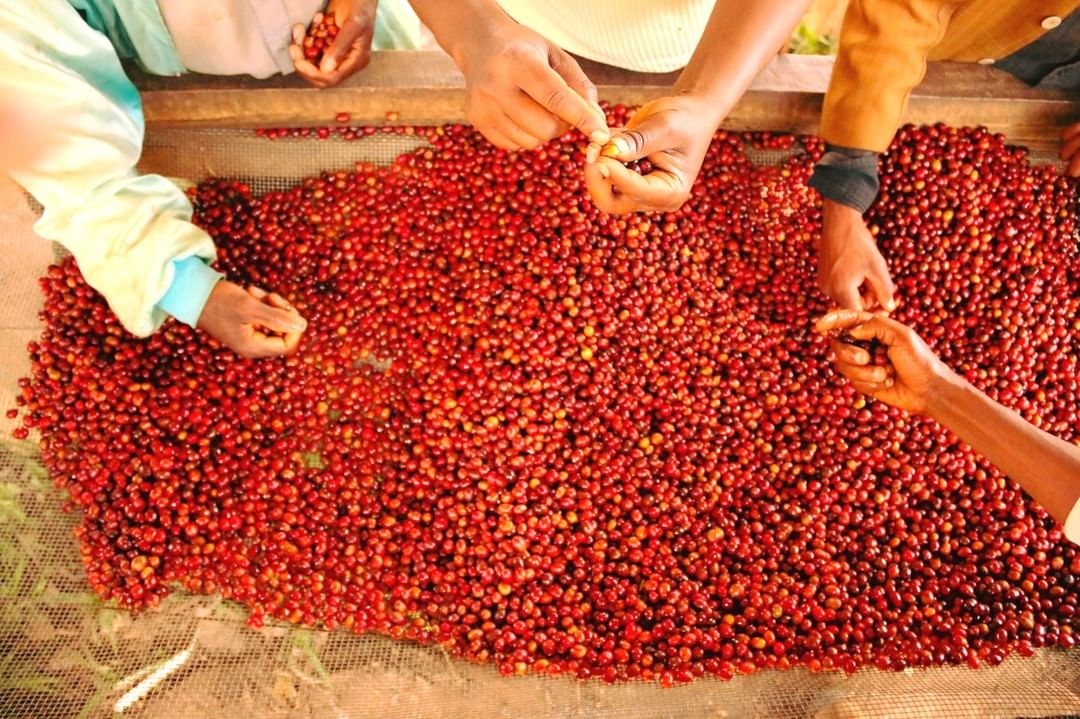
As one of the most prominent coffee-producing regions in Africa, Ethiopia is home to several specialty coffee representatives. Among them, Sidamo coffee has captivated the palates of coffee enthusiasts worldwide with its rich floral and fruity notes, becoming a highly sought-after origin among coffee aficionados. In China, when Sidamo coffee is mentioned, most people immediately think of the recently renowned Huakui, as well as the naturally processed Sidamo coffee beans with various suffixes.
In the regional map drawn by the renowned specialty green coffee trader Trabocca, the so-called Sidamo coffee area does not entirely belong to today’s Sidama Region but is part of the Oromiya Region and the Southern Nations, Nationalities, and Peoples' Region (SNNPR). In other words, the Sidamo coffee people often refer to is actually a type of coffee with a “Sidamo flavor.” Traditionally, Sidamo coffee is characterized by bright citrus acidity, smooth mouthfeel, and a fuller body compared to Yirgacheffe.
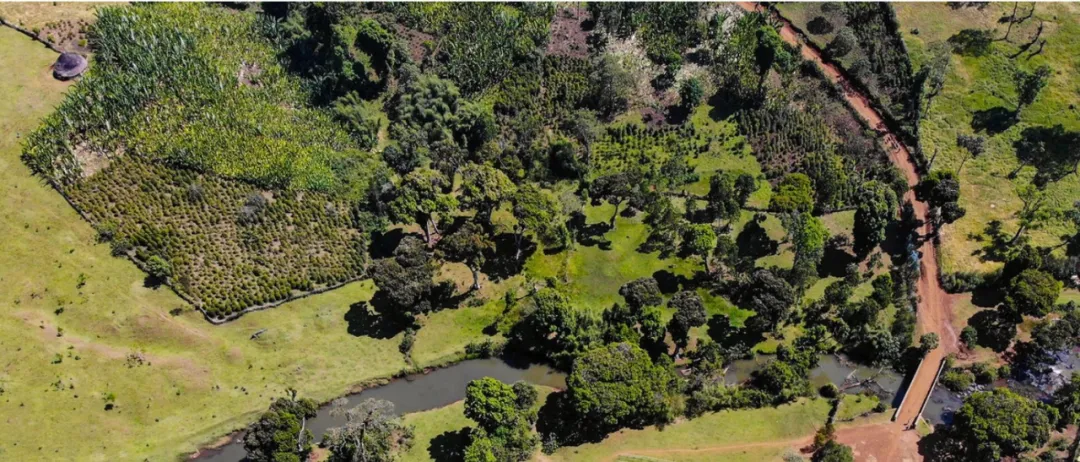
Sidamo: Historically, Sidamo was originally called Sidama. However, in 2004, the Ethiopian government applied for patents for three regional names to promote the uniqueness of its coffee and chose the old name Sidamo® as the registered trademark for Sidama coffee. To this day, Chinese consumers still commonly refer to the coffee from this region as “Sidamo.”
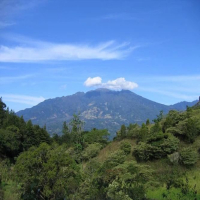
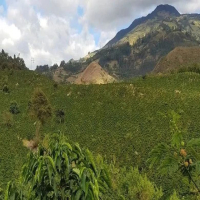
Sidamo spans the fertile highlands south of Lake Awasa in the East African Rift Valley, with altitudes ranging from 1,400 to 2,200 meters and annual rainfall between 1,200 and 2,000 millimeters. The high altitude, abundant rainfall, pleasant climate, and fertile soil provide an ideal environment for coffee cultivation. Moreover, Sidamo has several well-known sub-regions, and the coffee beans grown in these diverse soils and microclimates result in varied and distinctive flavor profiles within the Sidamo region.
Arbegona - Rumudamo
Arbegona is a small town located in the central-northern part of Sidamo, adjacent to another sub-region, Bensa. In recent years, the relatively well-known RumuDamo Coffee Industry Trade PLC is based in this town.

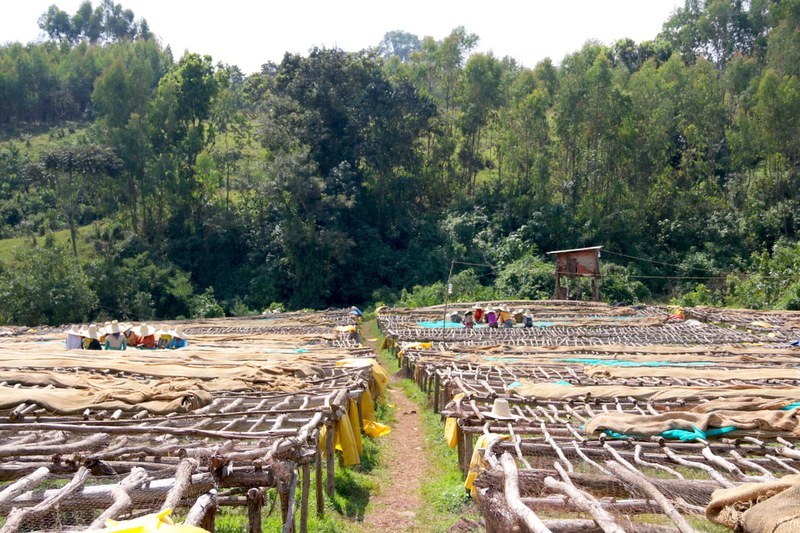
It is reported that the company was established in 2015 by seven shareholders, owns 1,000 hectares of land for coffee cultivation, and collaborates with over 300 coffee farmers. The company focuses on improving processing techniques and equipment, and in 2018, it purchased a wet mill to process washed coffee beans.
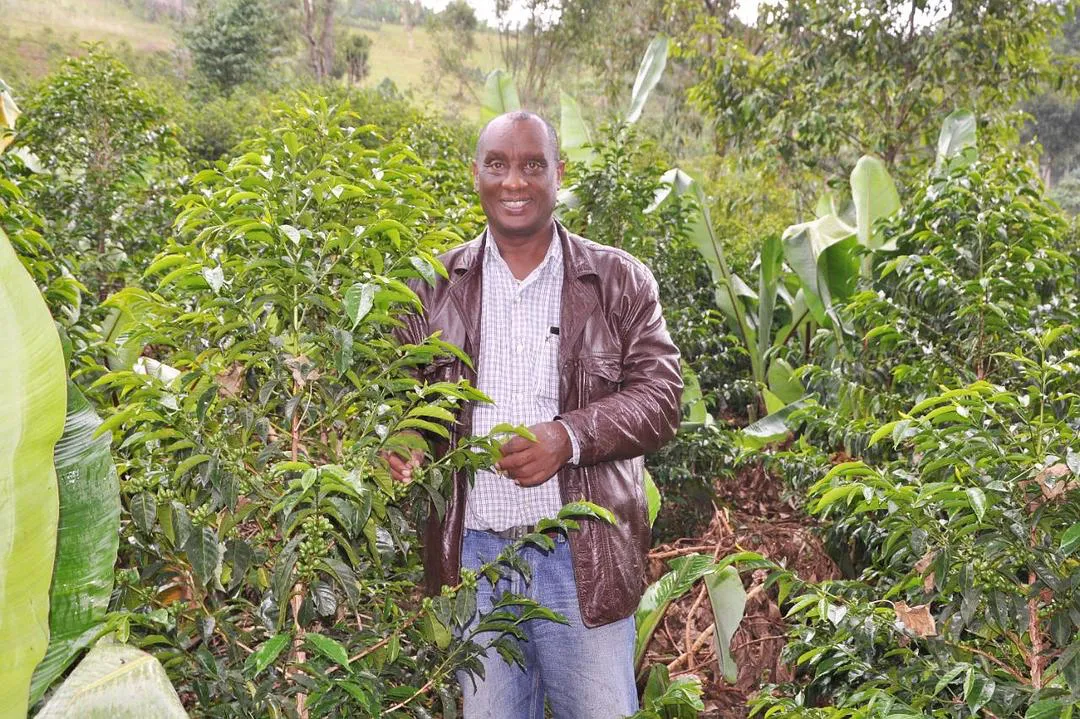
Rumudamo gained fame in 2020 when Ethiopia held its first Cup of Excellence (COE) competition. Rumudamo participated and secured second, third, and eighth places, achieving instant recognition. Currently, the company primarily grows the numbered variety 74110 released by the Jimma Agricultural Research Center (JARC) and Ethiopian heirloom varieties.
Bensa - Hamasho
Bensa is also a town located in the central-northern part of Sidamo. In recent years, with the rising popularity of Alo village coffee beans and Hamasho coffee beans, many domestic and international coffee roasters have listed these two types of beans, bringing this excellent origin into the spotlight. The Bensa region is known for its unique geographical advantages, with altitudes ranging from 1,800 to 2,300 meters. Compared to many classic Ethiopian representatives, many coffee trees in Bensa town grow at elevations between 2,200 and 2,350 meters, with the famously renowned Alo village standing out as the highest, reaching an elevation of 2,400 meters.
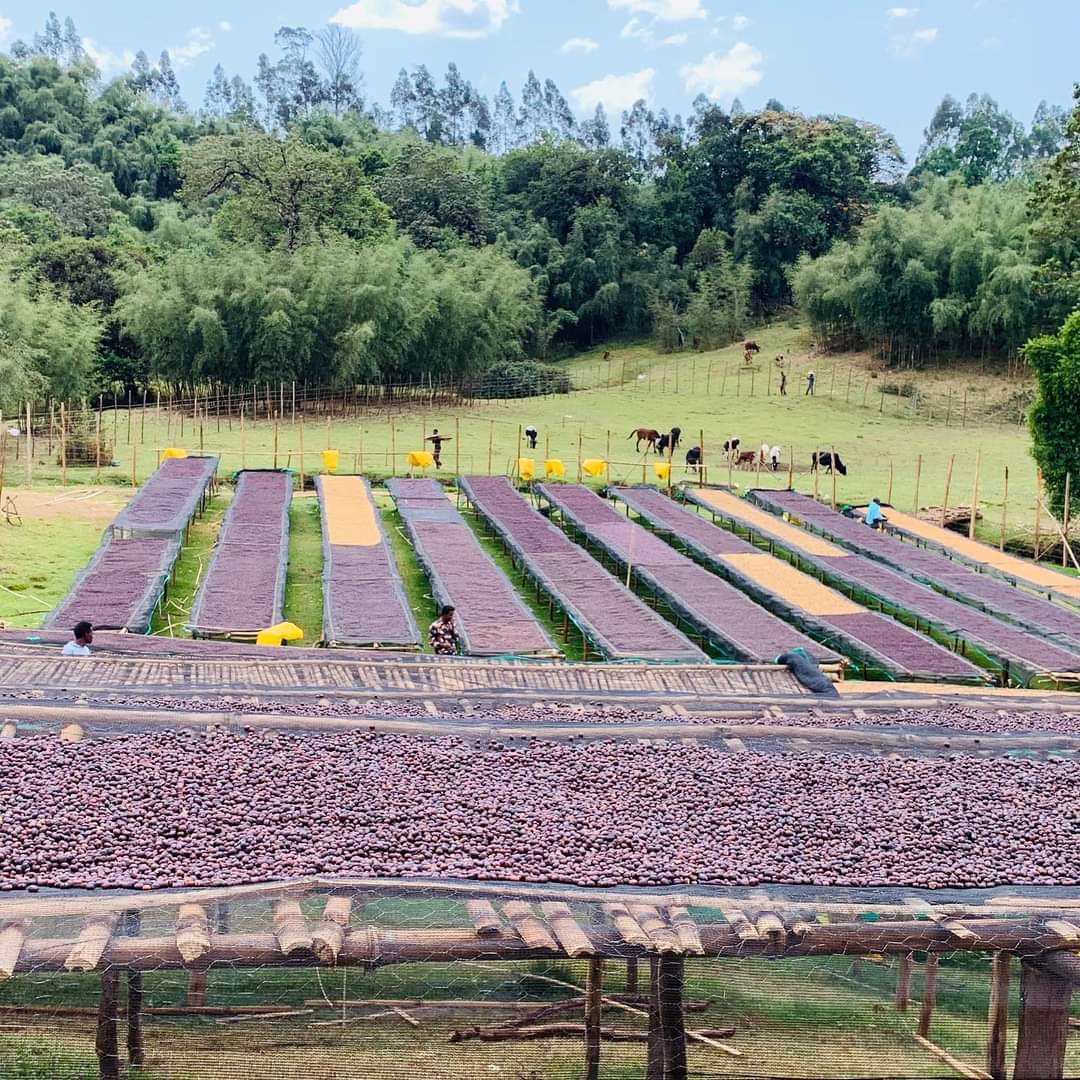
Hamasho is a processing station located in the town of Bensa. “Hamasho” means snake in the Sidama language, symbolizing strength and divinity. It is one of the 16 processing stations under Daye Bensa, a well-known coffee trading company in the region. The company was jointly founded by Assefa and Mulugeta Dukamo in 1996 and currently collaborates with 71 local washing stations, 2,500 farmers, 4 coffee cooperatives, and 11 drying stations.
The headquarters of Daye Bensa is located in the capital city of Addis Ababa. The company owns 16 washed processing stations and 4 processing factories, with Hamasho being one of them. This processing station is also well-known, having participated in the Cup of Excellence (COE) competition in both 2021 and 2022, achieving 8th place in 2021 and 2nd place in 2022. In addition, the company owns 2 coffee farms and collaborates with other smallholder farmers, aiming to research coffee cultivation, maintain equipment, and provide training and technical support.
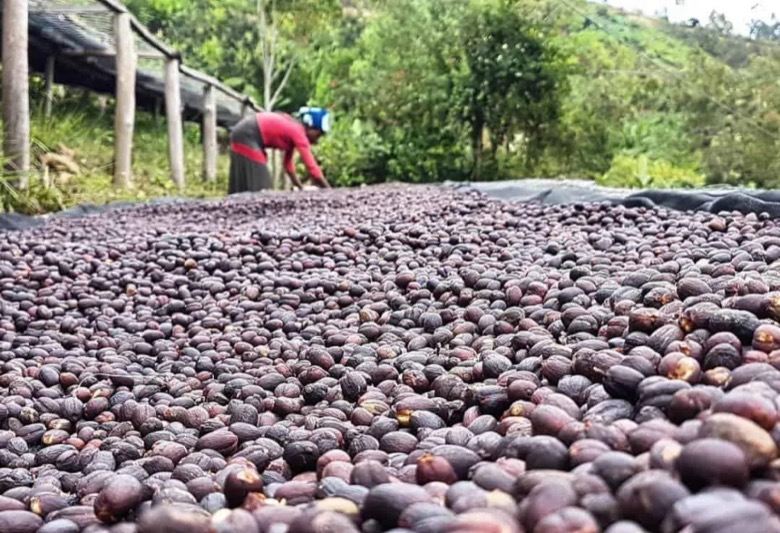
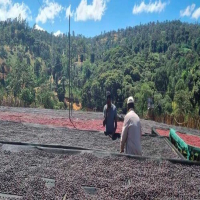
Recently, Best Coffee also purchased two sundried coffee batches from Rumudamo and Hamasho, and conducted cupping sessions. The Rumudamo beans exhibit lime-like aromas when sniffed, and upon tasting, offer citrus acidity, apple juice flavors, a sugary sweetness akin to fruit sugar, and a slight tea-like mouthfeel.
The Hamasho beans, on the other hand, have subtle floral and citrus aromas when sniffed, and offer flavors of berries, grape juice, black plums, and blue plums upon tasting.
Related Reading


Comments (0)
Loading comments...
You May Be Interested

Trending Reviews
Popular Videos

With you, wherever you are! We provide useful features to help you find new things you'll love






