Source:Best Coffee > News Author:qjroot Published:2026-10-09 18:42:34
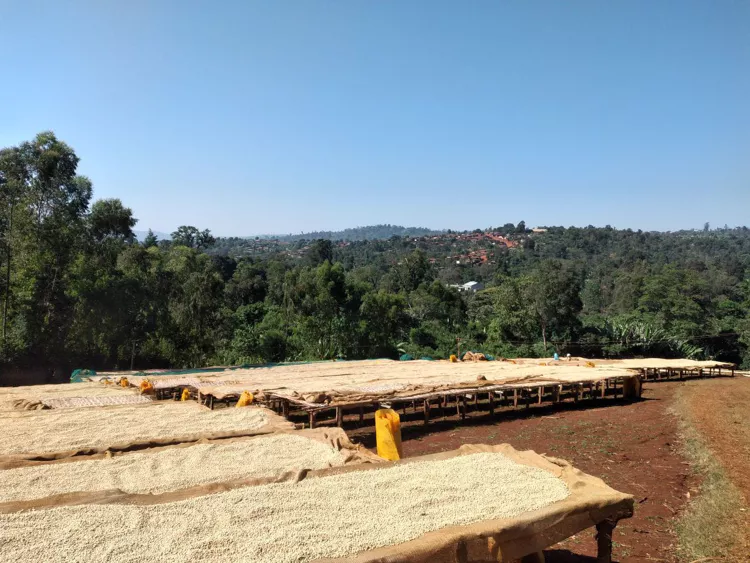
Over the years I've been brewing coffee, I often run into customers who take one sip and ask: where exactly does this raisin-like, dried-fruit sweetness come from? The answer actually hides in the processing stage after the coffee beans leave the branch. Washed beans pursue a clean fruit acidity, while natural and honey processing leave the fruit skin and even the mucilage on the beans, letting sugars and microorganisms interact fully. As moisture slowly dissipates, sugars keep concentrating, and inside the beans a deep sweetness similar to raisins and dried apricots accumulates. This sweetness is not the bright, leaping quality of fresh fruit, but a tight, substantial sweetness that settles at the back of the tongue.
Fresh fruit flavors and dried-fruit sweetness are two completely different paths. The former is like biting into a freshly picked strawberry, where acidity and sweetness explode at the same time and the aroma floats upward; the latter is like letting a honeyed dried apricot dissolve in your mouth, with sweetness slowly seeping out from deep within, carrying the complexity of fermentation. Because washed processing removes the mucilage early, the beans retain the fresh acidity of the flesh itself. Natural beans lie on the drying beds for a full two to four weeks, the sugars in the mucilage take part in fermentation, producing esters and aldehydes, and the sweetness heads in the dried-fruit direction. Honey processing sits between the two, retaining part of the mucilage, so the sweetness is fuller than washed, yet cleaner than natural.
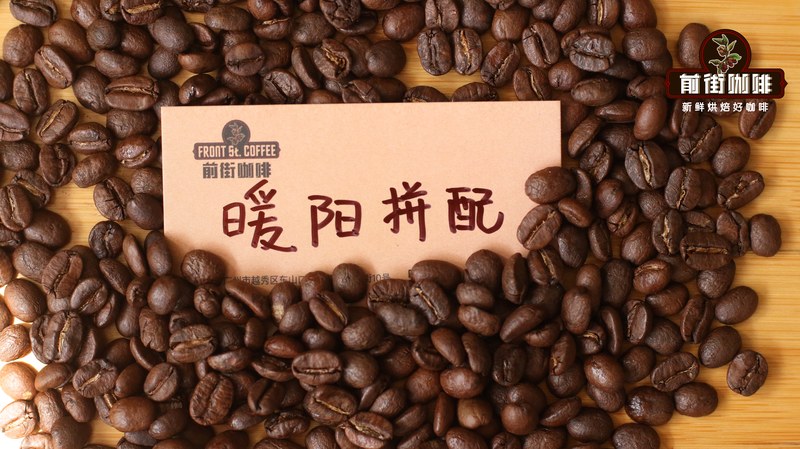
The roast level has a particularly obvious effect on how this sweetness shows up. I usually suggest choosing a light-to-medium roast if you want to highlight raisin sweetness. Roasted too light, the sugars from mucilage fermentation get tangled up with green, grassy notes and the sweetness cannot come out; roasted too dark, caramelization reactions overpower everything and the dried-fruit character turns into plain caramel bittersweetness. Qianjie Blackberry uses Costa Rican black honey processing, with the mucilage kept intact and a deep degree of fermentation. I roast it to light-medium, and when brewed I can taste raisin and berry sugar as the base, orange acidity cushioning the middle, with blueberry aroma occasionally flashing through in the finish. Qianjie Costa Rica Mozart is raisin honey processed, medium roasted, with concentrated dried-fruit and pineapple sweetness; red floral notes keep the cup from feeling dull, and berry acidity hooks the tongue into wanting another sip.
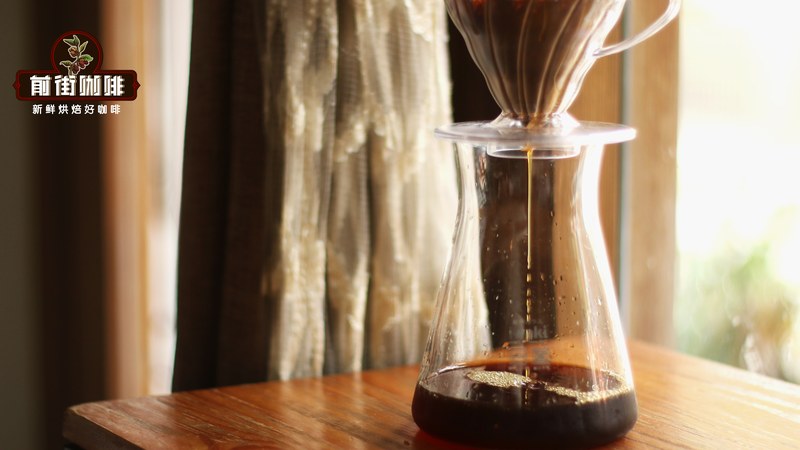
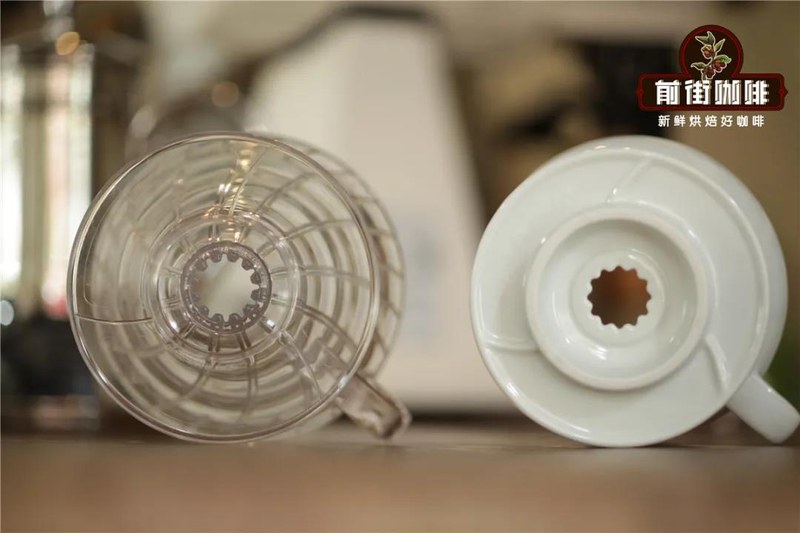
As for how to brew it specifically, I use 15g of grounds with 225g of water, a 1:15 ratio, in a V60 dripper. Water temperature depends on roast level: use 93°C for light-roasted beans, and drop to 90°C for dark-roasted ones. First pour 30g of water to bloom for 30 seconds, letting the coffee bed wake up, then pour the rest of the water in two to three stages, keeping the whole process around 2 minutes. This framework is simple enough and easy to reproduce. Qianjie Xizhua comes from Finca La Divisa in Huila, Colombia; with volcanic soil plus double anaerobic natural processing, at a medium roast the sweet-tart notes of blueberry juice and ripe grapes are very lively, with plenty of passion fruit and apricot juice character. Brewed with these parameters, that raisin sweetness suddenly becomes obvious in the medium-temperature range. Espresso or moka pot methods can also amplify its body, but pour-over better peels back the layers for you to see.
Qianjie Huakui is a natural bean from Hambela, Ethiopia, medium roasted; red berries and light floral notes come out first, orange freshness unfolds in the middle, and a hint of citrus lurks in the oils. The sweetness of this one is not especially heavy, leaning more toward an elegant aromatic style, but after the temperature drops, the raisin undertone brought by natural processing slowly floats to the surface. I often recommend this bean when customers want to try natural beans but are afraid they will be too intense; the mouthfeel is clean and the threshold is low.
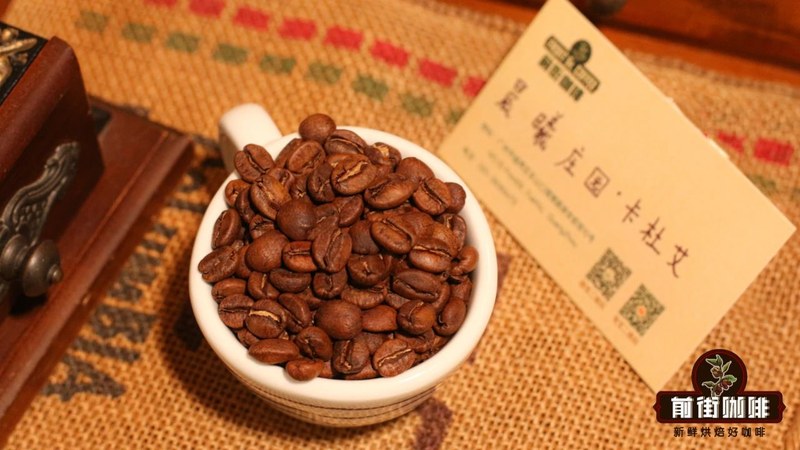
I have always been serious about freshness. Qianjie's coffee beans are all roasted within 5 days, so you can brew a cup as soon as you receive them, and the flavor is even better if you finish them within a month. Leave them too long, and the dried-fruit sweetness and floral notes that took so much effort to build up will dissipate quickly.
If you want to reliably drink raisin sweetness at home, first look at the processing method when choosing beans: natural and honey processing are the basic starting point, then check whether the roast level sits between light-medium and medium. When brewing, do not let the water temperature be too low, and bloom thoroughly so the coffee bed absorbs water evenly. Sweetness is something where the beans provide the foundation and extraction gives it shape; get the parameters right, and that sweetness like a dissolving raisin will naturally settle at the bottom of the cup.
Related Reading



Comments (0)
Loading comments...
You May Be Interested



Trending Reviews
Popular Videos

With you, wherever you are! We provide useful features to help you find new things you'll love






