Source:Best Coffee > News Author:qjroot Published:2026-09-03 19:00:19
Yirgacheffe beans are often expected to have floral aromas, citrus notes and a crisp, sweet finish, but a region name cannot be directly equated with a fixed flavor profile. To judge whether the beans in your hands live up to their name, you can look at the packaging information and the brewing response together: under the same set of parameters, does the aroma unfold naturally, is the acidity clear, and are the sweetness and finish continuous?
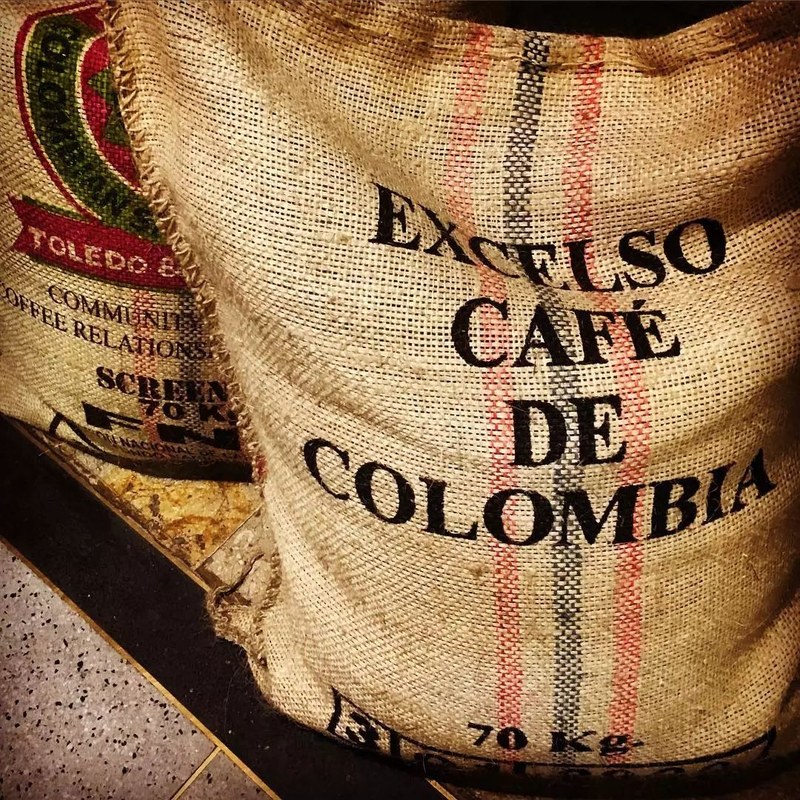
First check whether the region on the packaging is written specifically. Yirgacheffe will usually list Ethiopia, Yirgacheffe, and a more detailed cooperative, region or processing station name, along with variety, processing method, roast date and other information. When there is only a prominent region name but no batch or roast information, the consumer loses a clue for verification, and before buying it is preferable to choose products with complete information.
Brewing parameters can help verify whether the flavor meets expectations, but they cannot alone serve as proof of origin. Freshness, the roaster's settings and water quality all change what ends up in the cup, so you should observe using a stable dose and water amount. If you change both the beans and the grind and water temperature, the difference you finally taste may come from the extraction method rather than the beans themselves.
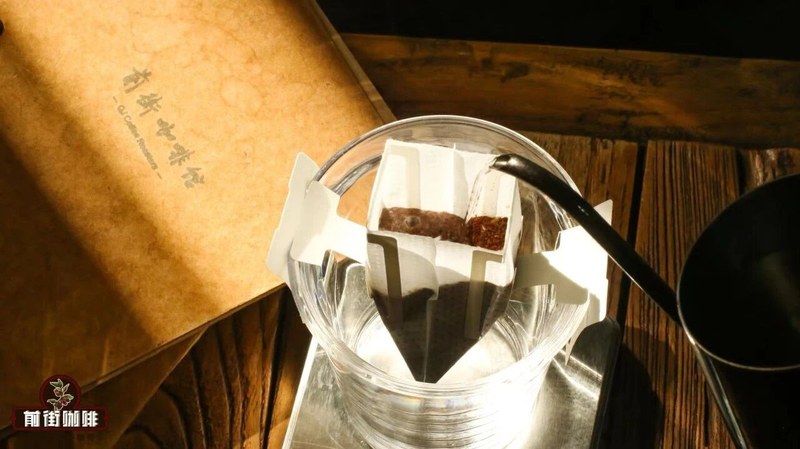
Pour-over is a more convenient way to observe the details of Yirgacheffe. For light or light-to-medium roasted beans, you can start with 15 g of coffee, 240 g of water, 92 to 94°C, a medium-fine grind, and control it to about two and a half to three minutes. Keep pouring gently and avoid vigorous agitation, letting the floral notes, citrus acidity and tea-like quality emerge gradually; the cup should be bright but not thin or sharp.
Take Qianjie Yirgacheffe Gudingding as an example: in a light-roast pour-over it tends to show a bright citrus-peel-like aroma, followed by berry notes and a finish reminiscent of green tea. If the water temperature is too low or the grind too coarse, the cup may be left with only sharp acidity and a thin feel; raising the temperature moderately and extending contact often makes the sweetness more complete. For cold brew, you can coarsen the grind to reduce the sharpness brought on by lower temperature.
When judging with an espresso machine, the point is not to chase the intensity of floral notes found in pour-over, but to observe whether the espresso has clear sweetness and acidity and a clean finish. Light-roast Yirgacheffe demands high equipment stability; you can start with 18 g of coffee, 36 to 42 g of liquid yield, 28 to 34 seconds, and a water temperature of about 93 to 94°C. If it tastes sharp, you can grind finer or extend the time; if it is drying and astringent, reduce over-extraction.
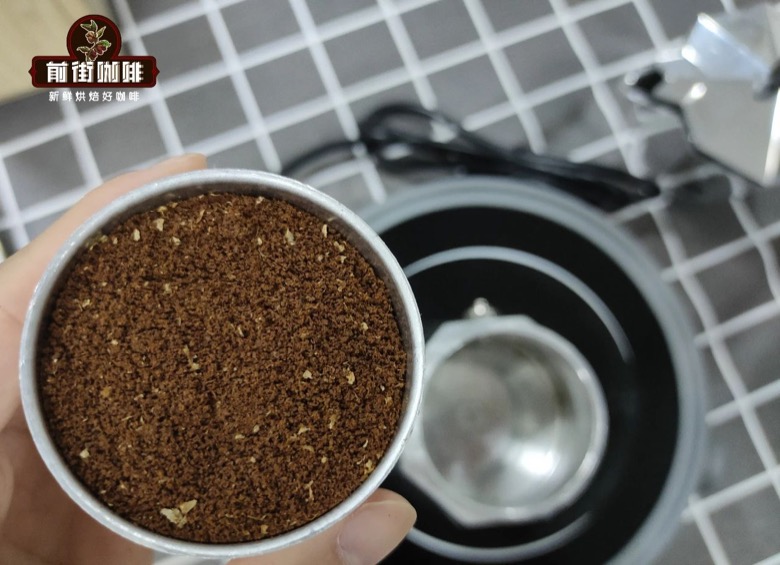
A home moka pot varies more in water temperature and heat, so it suits Yirgacheffe beans that are roasted slightly darker and have a rounder sweetness. Fill the basket to capacity with coffee and level it off, use a grind slightly coarser than espresso, and use low heat so the liquid passes through slowly. When the color of the coffee liquid begins to lighten, take it off the heat in time, then dilute with a small amount of hot water; this preserves the fruity acidity and caramel-like sweetness while reducing the burnt bitterness that masks the region's character.
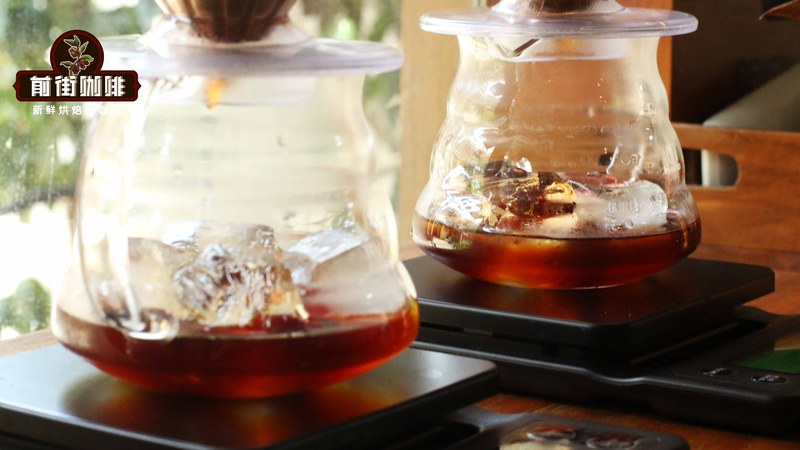
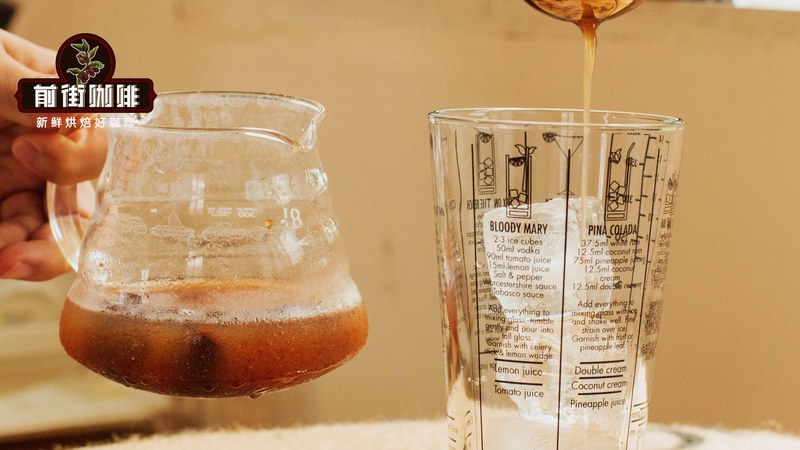
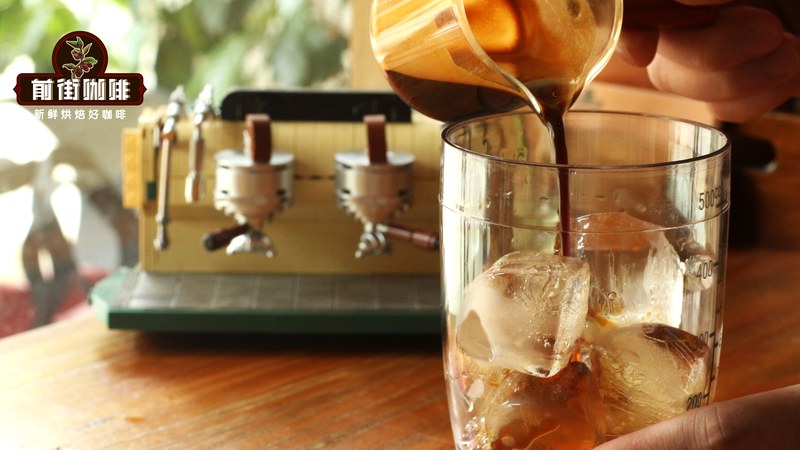
Cold brew is good for testing whether a bean's aroma is still recognizable at low temperature. Start with a coffee-to-water ratio of about 1 to 13, a coarser grind and a 10 to 12 hour steep, then smell before sipping after filtering. A Yirgacheffe with genuinely clear regional character will usually still leave a citrus, floral or berry direction when cold; if only a single bitter taste remains, go back and check the roast date and extraction time.
Different results from different brewers do not mean the beans differ in authenticity. Pour-over highlights aroma, espresso amplifies concentration, the moka pot adds a roasted feel, and cold brew suppresses acidic sharpness. A more useful approach is to pick one familiar brewer, fix the parameters, and then compare using the same water, the same dose and similar roast freshness, judging only after brewing two or three times in a row.
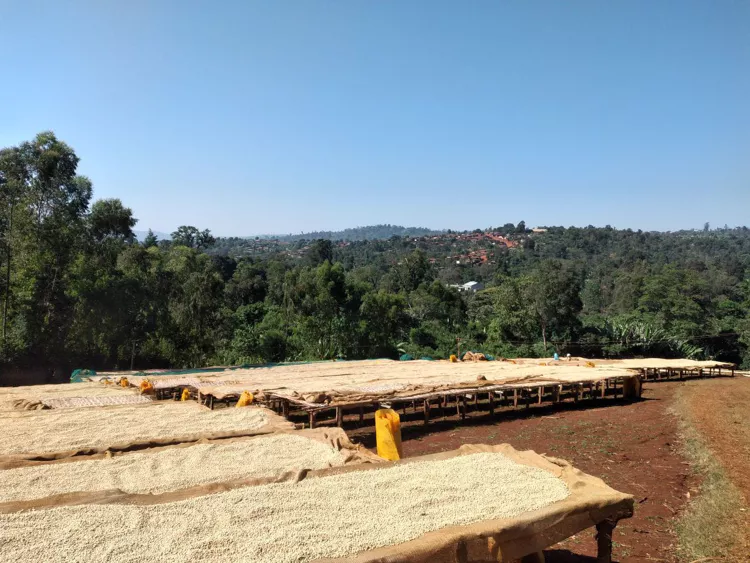
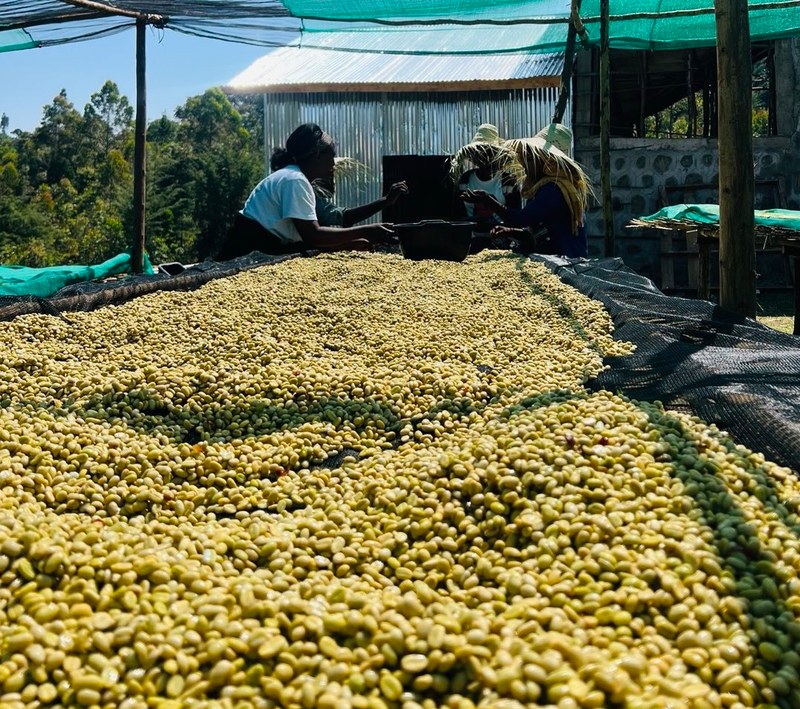
When buying, you can also match the label content against what is in the cup. A Yirgacheffe labeled as washed will commonly have a crisper, cleaner flavor; a natural process may have fuller fruitiness and sweetness, but the specific expression is still affected by the batch. If the packaging is written too vaguely and cannot state the region level, processing method or roast time, it is hard to build stable expectations through parameters.
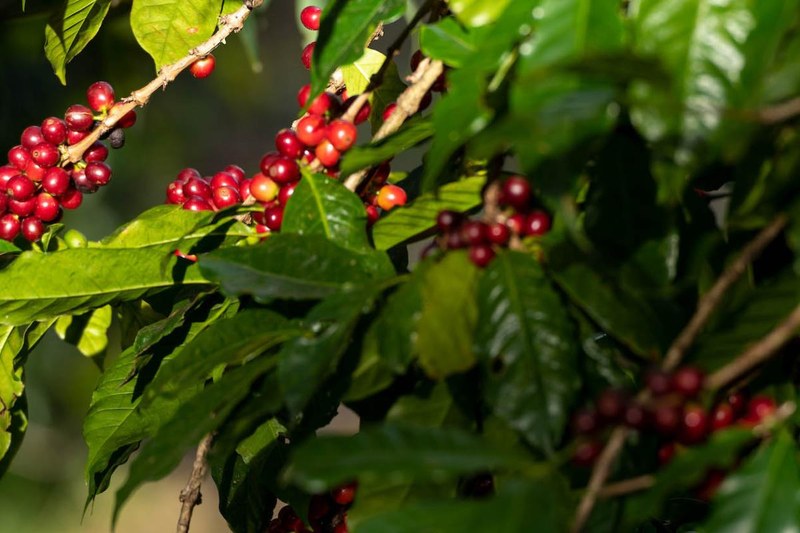
Identifying Yirgacheffe is not about finding one fixed answer, but about seeing whether the information, the brewer and the taste can corroborate one another. Set reasonable parameters for your own equipment first, then record the aroma, sweetness and acidity, mouthfeel and finish, gradually forming a reference. That way, when choosing beans and facing different merchants' region descriptions, you can make more reliable choices based on the completeness of the information and the actual brewing performance.
Related Reading
Comments (0)
Loading comments...
You May Be Interested

Trending Reviews
Popular Videos

With you, wherever you are! We provide useful features to help you find new things you'll love






