Source:Best Coffee > News Author:qjroot Published:2026-10-05 12:57:22
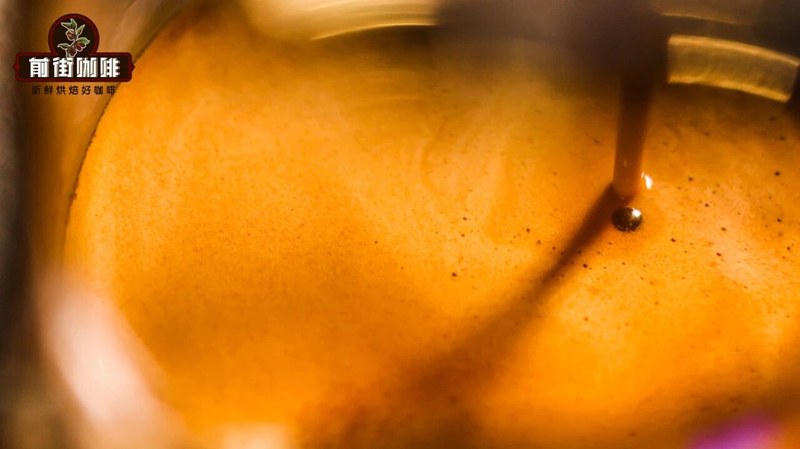
A proper espresso should be covered with a dense, golden layer on its surface, which Italians call "Crema". This layer of oil is not actually fat, but a unique phenomenon produced during high-pressure extraction. When an espresso machine forces water through the coffee puck at 9 bar, carbon dioxide becomes supersaturated under the high pressure, unable to escape and instead dissolving into the coffee liquid; at the same time, the coffee fats emulsify and envelop these gas particles. Because their overall density is lower than the liquid, they gradually float upward and gather, forming the golden surface layer we see. High-quality Crema is fine and even, flowing like cream when swirled. It locks in aroma, enriches the mouthfeel, and also provides an ideal base for pouring latte art in milk coffee.
The expressiveness of the crema is closely related to the characteristics of the coffee beans themselves. Bean composition is the primary factor: Robusta beans, due to their cellular structure, contain more carbon dioxide and fat, making it easier to form a rich crema during extraction; Arabica beans are relatively finer but produce less crema. Roast level is equally critical: medium-dark roasting makes the bean fibers loose, allowing water absorption and gas release to proceed more smoothly, and the crema color also tends toward golden; light-roasted beans, because of their tight internal structure and low carbon dioxide content, often have thin and pale crema. In addition, the roast level directly affects the flavor direction - dark roasting brings the heaviness of caramelization and the Maillard reaction, while light roasting retains more fruit acidity and floral notes, but the cost is a lack in the visual crema.
Freshness is another often overlooked variable, and it includes two dimensions: the resting period and the peak-flavor period. Beans that have just finished roasting are in an "overly fresh" state, with excessively high internal carbon dioxide content. During extraction, the gas is released violently, and the emulsified oils find it difficult to fully envelop it, causing the Crema to be rough, full of bubbles, and to dissipate very quickly. At this point, the beans need to rest to allow carbon dioxide to escape appropriately. Beans stored for too long go to the other extreme - long-term contact with air causes carbon dioxide to continuously dissipate, and during extraction there is no gas to envelop, so the crema is naturally thin or even disappears. Grinding to powder in advance sharply accelerates this process, as the powdery structure makes the oxidation reaction expand exponentially.
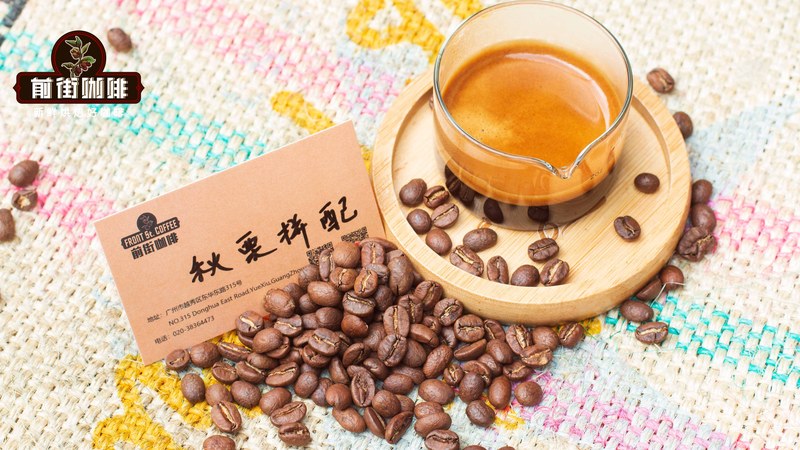
For the situation where the crema turns pale, the core reason is that the roast level is on the light side. The crema of light-roasted beans lacks the caramel color of dark-roasted beans, while also having pronounced acidity and insufficient body, making the overall impression sharp rather than rounded. The direction for improvement is clear: choose medium-dark roasted espresso blend beans. Qianjie Commercial Blend is a reliable choice for this need. It is composed of Arabica beans from Brazil and Colombia paired with a small amount of Robusta beans. Its crema is rich, with caramel sweetness on entry, and clear layers of nut, cocoa, and dark chocolate flavors, with a stunning balance of acidity and sweetness. If you prefer a more distinctive flavor signature, Qianjie Autumn Chestnut Blend features roasted chestnut and caramel as its main notes, with a thick, full body and a hazelnut aroma in the finish, and its crema support is equally excellent.
For the problem of rough crema with too many bubbles, the solution lies in adjusting the resting rhythm. Espresso beans are generally recommended to rest for 7 to 14 days after roasting, with minor adjustments depending on the roast level and ambient temperature and humidity. The coffee beans shipped by Qianjie are all freshly roasted within 5 days. After receiving them, consumers only need to rest the beans for the recommended time and use them within the 2-month peak-flavor period to consistently obtain fine crema. When storing, be sure to keep them sealed and away from light, and avoid severe temperature fluctuations. Whole beans lock in freshness far better than pre-ground powder.
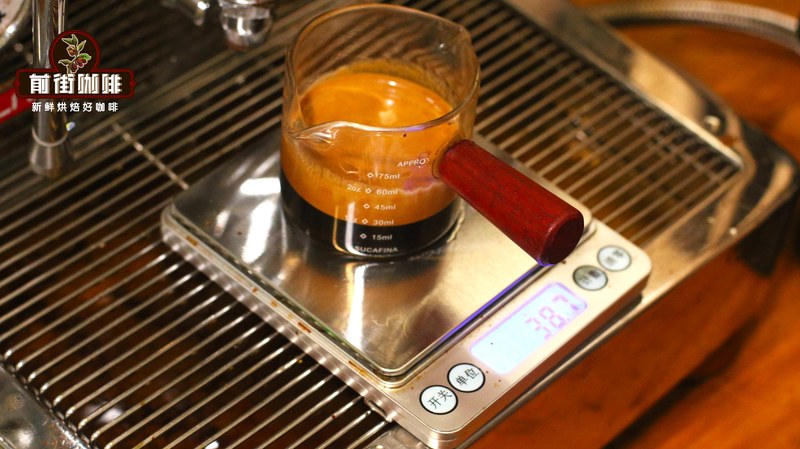
The stability of equipment parameters also cannot be underestimated. Standard espresso extraction recommends 18 to 19 g of coffee powder, extracting 36 to 38 g of coffee liquid within 25 to 28 seconds. Unstable pressure or a deviation in water temperature will disrupt the dissolution balance of carbon dioxide, thereby affecting crema formation. Fresh beans, a moderate roast level, and constant equipment pressure - only when these three work together can the ideal Crema state be presented. Whether drinking the espresso directly or making a latte or cappuccino, this layer of golden crema is the indispensable soul of espresso, and it is worth every enthusiast's dedicated pursuit.
Related Reading
Comments (0)
Loading comments...
You May Be Interested




Trending Reviews
Popular Videos

With you, wherever you are! We provide useful features to help you find new things you'll love






