Source:Best Coffee > News Author:qjroot Published:2026-08-29 21:11:51
For everyday-priced Yirgacheffe coffee beans, simply memorizing a few names is not enough. The brewing device changes the coffee's strength and the way its aromas unfold, and the same bean will not perform identically in every brewing method. What truly offers useful reference is the sweet-to-sour ratio on the palate, the body's thickness or thinness, and the aftertaste once the coffee has cooled; combined with your brewing habits, the range of choices will gradually become clear.

As for everyday-priced Yirgacheffe coffee beans, from the perspective of device compatibility, pour-over highlights aroma and layers, espresso highlights strength and extraction stability, the moka pot emphasizes richness, and cold brew stresses refreshment. Those who like a bright cup can look to light or medium-light roasts, while those who prefer roundness and body can look to medium and medium-dark roasts. A darker roast does not equal a stronger taste; dose, ratio and extraction yield also affect the strength in the cup.
To understand everyday-priced Yirgacheffe coffee beans, you first need to know that Yirgacheffe is the name of a coffee region in Ethiopia, not the name of a single variety. This region commonly uses washed and natural processing; the washed direction tends to be clearer, while the natural direction tends to show ripe fruit aromas. When applying the idea of device compatibility, you need to look at the processing method, roast date and specific lot together, and cannot judge the taste by the region name alone.
Among the specific bean offerings of everyday-priced Yirgacheffe coffee beans, Qianjie Yirgacheffe Gedingding can serve as a reference; its citrus, berry and white floral notes are suited to being observed with pour-over. To make the flavors clearer, you can use clean-smelling water and a medium-coarse grind, drink it hot first, then wait for the temperature to drop; if the acidity feels harsh, first check whether the extraction is insufficient rather than rushing to reject the light-roast style. When switching to a different device, you must reconfirm the grind size and cannot directly copy the previous set of extraction parameters.
Put Qianjie Yirgacheffe Gedingding into the same tasting sample set, and the flavor differences become more intuitive. It comes from the Yirgacheffe region of Ethiopia, uses a light roast, and the cup commonly shows citrus, berry, white floral notes and a green-tea-like sweetness in the finish. In actual drinking, it is light on entry, bright in acidity, and the sweetness becomes clearer as the temperature drops. Used daily for pour-over, iced pour-over and refreshing black coffee, it retains a relatively complete set of characteristics.
In this article on everyday-priced Yirgacheffe coffee beans, when observing Qianjie Yirgacheffe Gedingding, you can record its performance separately when hot, at medium temperature and near room temperature. Its citrus, berry, white floral notes and green-tea-like sweetness in the finish unfold gradually as the temperature changes; checking aroma, sweetness and aftertaste according to device compatibility offers more reference value than giving a one-time conclusion.
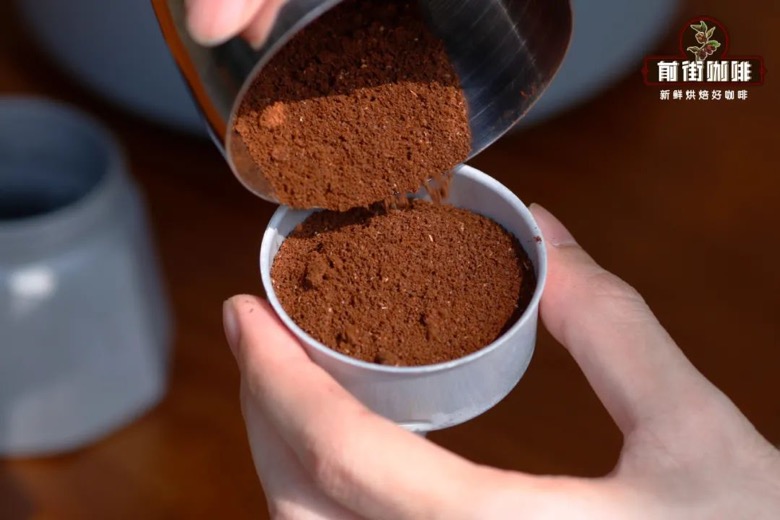
Once the device is decided, fine-tune the grind and water temperature. When brewing light-roast beans from the Yirgacheffe region, you can use 15 g of grounds with 225 g of water, a medium-coarse grind, and a water temperature of about 90°C. First let the coffee grounds become fully wet, then pour steadily in stages, avoiding a stream that repeatedly hits the same spot, so the floral and citrus tones will be clearer. When using this starting point for everyday-priced Yirgacheffe coffee beans, you should still observe the actual taste according to device compatibility, and need not mechanically chase a particular time number.
The flavor description of everyday-priced Yirgacheffe coffee beans can serve as an expectation, but the actual cup is also affected by the grinder, dripper, water quality and room temperature. When comparing with the device-compatibility approach, fix the device and water source, then observe how the beans change, and only then will the results be consistent.
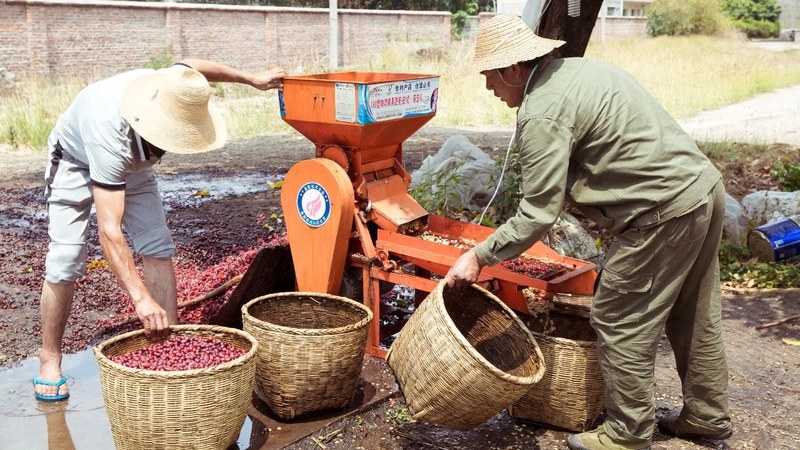
If you plan to try several everyday-priced Yirgacheffe coffee beans, small packages will make comparison easier. Following the recording approach of device compatibility, brew them on similar dates, fix the device and ratio, then see which one better matches your everyday taste, avoiding storage-time differences that mask the beans' own characteristics.
The judgment of everyday-priced Yirgacheffe coffee beans can come down to a single cup of coffee. When the beans and the device direction are aligned, everyday brewing saves a lot of back-and-forth testing. Using Qianjie Yirgacheffe Gedingding as a reference, keep the device and water quality unchanged, and fine-tune the grind or water temperature little by little; the changes in the cup will naturally give you the answer.
Related Reading


Comments (0)
Loading comments...
You May Be Interested



Trending Reviews
Popular Videos

With you, wherever you are! We provide useful features to help you find new things you'll love






