Source:Best Coffee > News Author:qjroot Published:2024-10-13 18:52:51
According to Ethiopian media reports, earlier in July, Ethiopia announced a major overhaul of its foreign exchange system, introducing a series of transitional measures to establish a more market-based foreign exchange system, while causing the exchange rate of the Ethiopian currency, the birr, to fall sharply. Initially, this decision helped narrow the gap between the official rate and the parallel market (black market) rate.
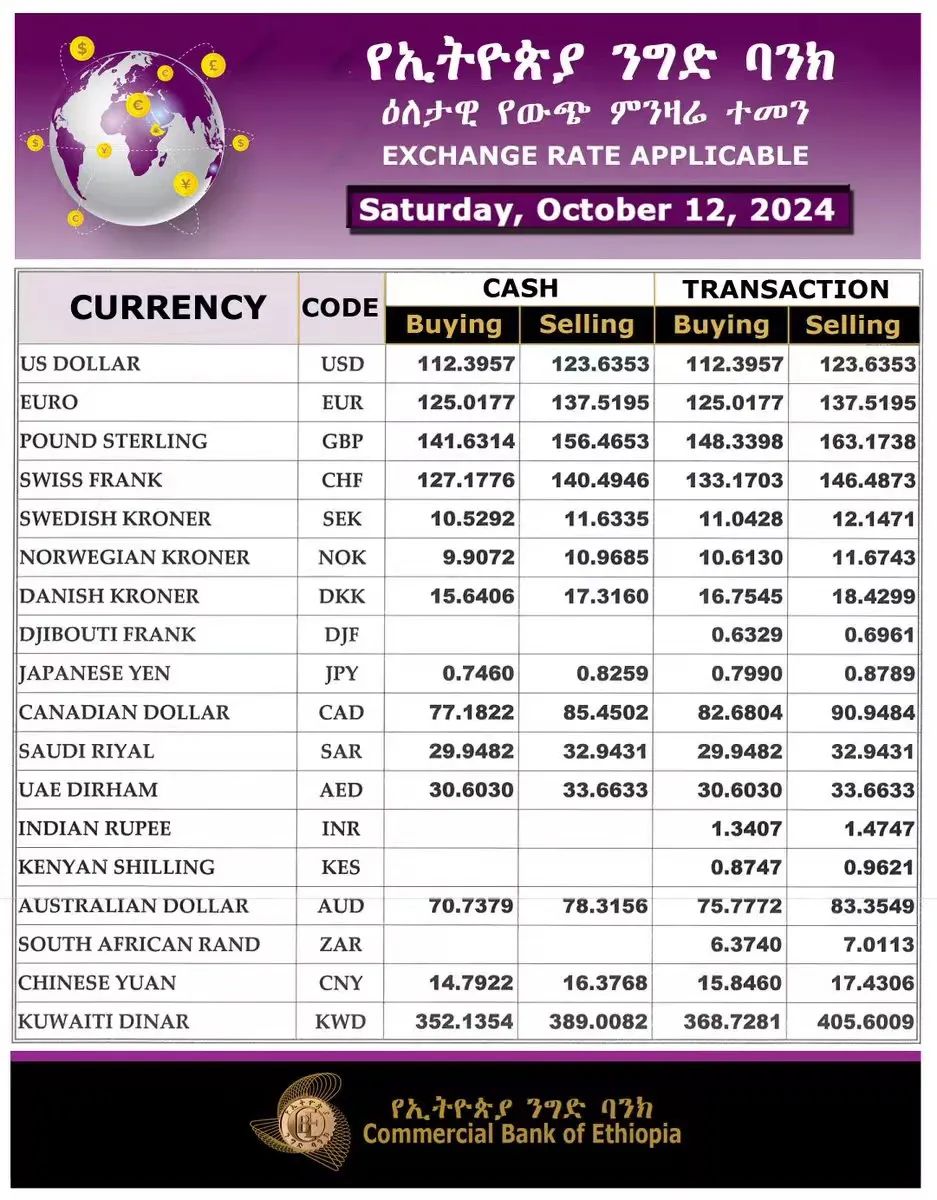
Although in recent months the exchange rate gap between the two markets showed signs of narrowing, it then began to slow. As of mid-October 2024, the National Bank of Ethiopia's official exchange rate was 1 US dollar to 116.97 birr, but the parallel market (black market) rate reached 1 US dollar to 140 birr. This discrepancy indicates that the country is facing a severe foreign exchange shortage, causing businesses and individuals to rely on the black market despite the legal risks involved.
For Ethiopian businesses that depend on imports, this means they must pay higher foreign currency prices on the black market, and these costs are passed on to consumers, causing some commodity prices to rise and leading to inflation, which has become an urgent problem in Ethiopia.
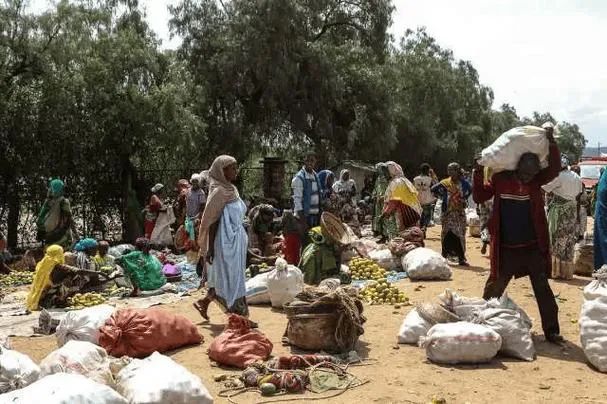
Therefore, Ethiopia has recently liberalised its economy substantially, and according to Ethiopian media reports, it is currently in the final stage of opening its logistics industry to foreign investors in order to increase foreign exchange earnings. Earlier, Ethiopia passed legislation allowing foreign investors to participate in finance, banking, import and export, and wholesale and retail trade businesses.
Recently, Ethiopia's Ministry of Finance issued a notice announcing that the policy had been revised to enable foreign companies to participate more in the logistics industry. According to Ethiopia's Minister of Finance, the government has been taking various reform measures to improve the logistics industry, including increasing budgetary allocations, policy reform and strengthening international cooperation.
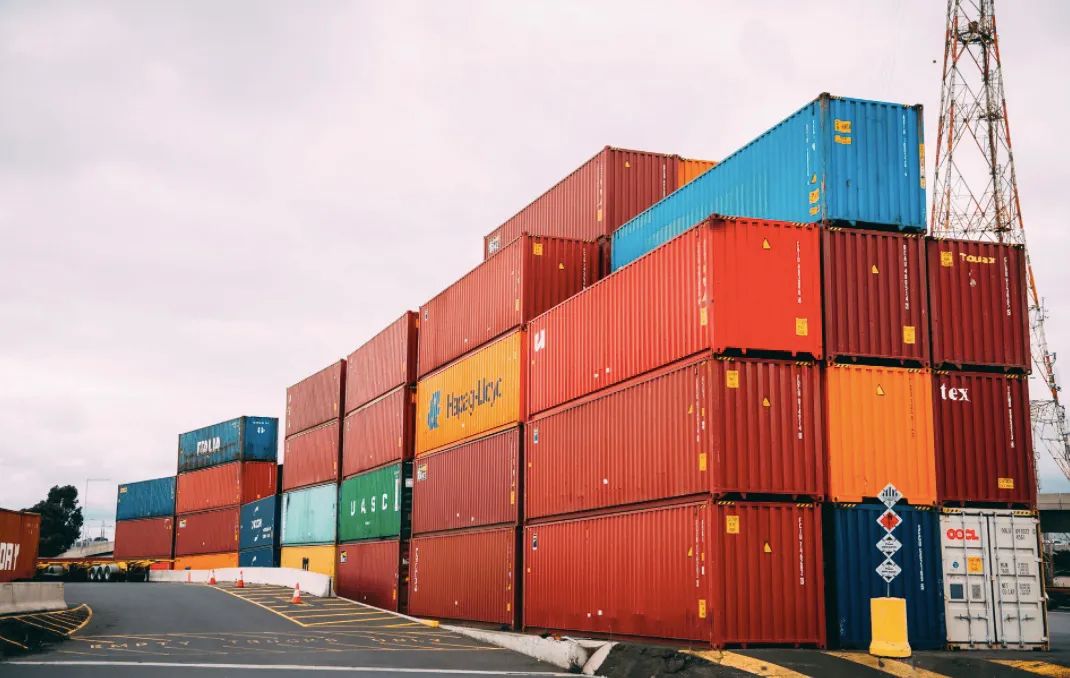
In addition, the Minister of Finance, at an event titled "Logistics Transformation for Sustainable Growth and Prosperity", stated that strengthening Ethiopia's logistics capacity is crucial to the country's future, especially infrastructure construction such as road building, which currently receives substantial budget allocations. At the same time, the Minister of Finance pointed out that the government is planning to build a new airport to enhance the country's freight capacity, and also emphasized Ethiopia's efforts to improve its competitiveness in the international market, including improving logistics relations with Djibouti and working to resolve port access issues.
At present, for Ethiopia's coffee industry, the country allowing foreign companies to invest in the logistics industry is of great help to its industrial development, all because the problem of coffee transportation has always been very serious. Earlier reports pointed out that some roads are affected by continuous outbreaks of conflict and attacks by armed groups, affecting transportation.
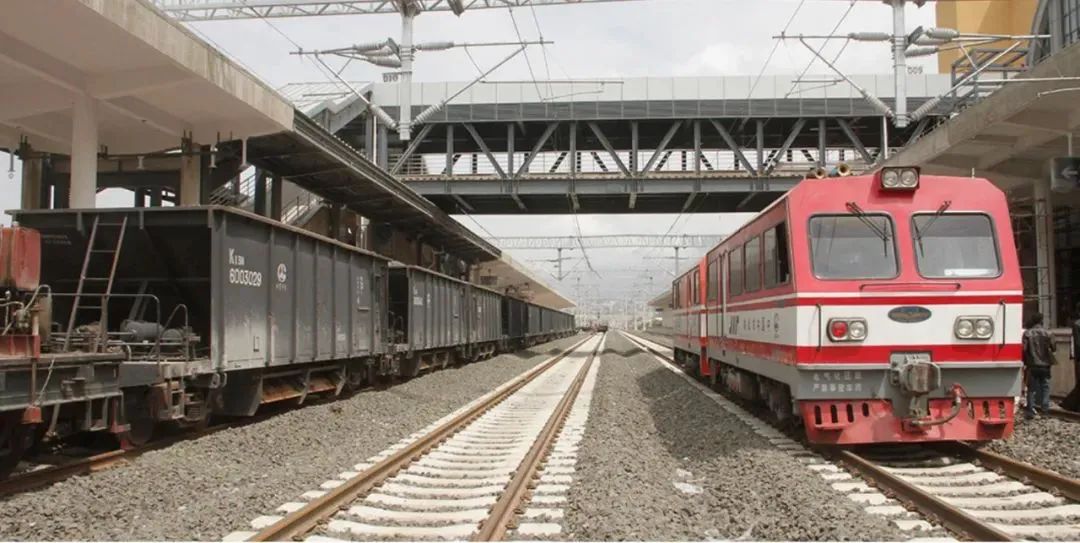
In addition, since Ethiopia is a landlocked country, the export of goods such as coffee depends heavily on the port of Djibouti, so goods transportation is very important. The country's main railway is the Ethiopia-Djibouti standard gauge railway, which has always been owned by the Ethiopian government. Although the railway can transport 10 million tons of goods per year, its transport volume is far below its potential, and it faces animal and human obstacles and safety issues. These problems make the railway slow down to 30 km per hour. If foreign enterprises invest and participate, it can effectively strengthen the railway and import and export business, and ease transportation pressure.
At present, due to the influence of the parallel market (black market) and exchange rates, the local cost of living is continuously rising, and coffee planting costs have also begun to rise. The minimum selling price of coffee across the board has increased by 2%. Once the pressure on transportation is eased, it can reduce the pressure on transportation costs.

However, Ethiopian coffee exports still face port problems. Earlier, the Houthi armed group said it would strengthen its maritime blockade, which will lead to a continued reduction in ships at the Port of Djibouti. In addition, Ethiopia currently still has poor relations with its neighbor Somalia and cannot use Somali national ports, so the export problem remains one of the key issues the country needs to resolve.
To learn more news and information about coffee origins, please scan the QR code to follow: Kaping
Long-press the QR code to follow:

Related Reading







Comments (0)
Loading comments...
You May Be Interested




Trending Reviews
Popular Videos

With you, wherever you are! We provide useful features to help you find new things you'll love






