Source:Best Coffee > News Author:qjroot Published:2026-01-03 10:41:24

FrontStreet Coffee has recently seen many new faces in its stores. People no longer just drink coffee; they also want to learn different extraction methods. The simplest extraction method is none other than hand drip coffee. Compared with the expensive and space-hogging espresso machine, just a few simple coffee tools can produce a cup of coffee comparable to a coffee shop's, so why not do it. FrontStreet Coffee will introduce several commonly used coffee brewing methods today.
With the spread of coffee culture, many friends have tasted the deliciousness of freshly ground coffee. Along with the many coffee tools launched on the market, we can easily make decent coffee and enjoy delicious coffee without leaving home.

FrontStreet Coffee believes that brewing coffee at home is actually not difficult at all. The equipment needed can also be very simple, and ordinary utensils are easy for most people to afford. Of course, some methods require more equipment and a certain amount of practice; for example, espresso may require a great deal of practice before a simple Espresso can turn out well.
FrontStreet Coffee will first list several commonly used brewing methods and equipment for home use. Generally they include: Hand Drip, Syphon, Moka Pot, Press Pot, Aero Press, Clever Coffee Dripper.

Of course, there are also common ones such as the Belgian coffee maker, Turkish coffee pot, Vietnamese drip filter, cold drip, etc. But due to their complicated production procedures or considerations about taste, these are not considered commonly used, and FrontStreet Coffee will not describe them here.
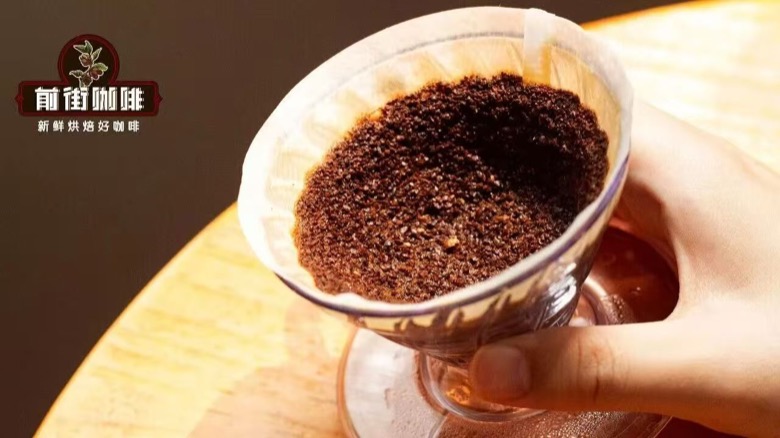
Espresso Espresso is the fastest coffee extraction method, and the equipment is also the most expensive, ranging from just over 10,000 to several hundred thousand, equivalent to parking a car on the table. It is made by forcing hot water at about 94°C through a compacted puck of coffee grounds at a pressure of about 9 bar. Usually a single serving is only 30 ml and carries a reddish-brown foam oil floating on the surface (Crema). It has the characteristics of fast brewing and high concentration, and requires a dedicated machine to brew. When coffee grounds come into contact with 94°C hot water, they release carbon dioxide, as well as essence substances such as oils and aromatics in the coffee grounds. Since carbon dioxide has its own gas pressure and water also has its surface tension, the high-pressure water at 9 bar happens to have a gas pressure equal to that of carbon dioxide, so it can allow the water to envelop the carbon dioxide, that is, the essence substances in the coffee beans, thus forming Crema. [Espresso Coffee Equipment] Espresso machine: divided into home and commercial. Grinder: the choice of burr type is very important. The grinder is even more important than the coffee machine itself, as it affects the quality of the ground coffee. Milk frothing stainless steel pitcher: essential for frothing milk and latte art. It is recommended to choose one twice the capacity of the coffee cup. Thermometer, measuring cup, timer: because the extraction speed is extremely fast, slight differences in data will have a great impact on the coffee flavor. [Espresso Coffee Characteristics] Extremely fast extraction: an average speed of one cup of coffee in 30 seconds, with simple steps. Making it into an SOP (standard operating procedure) is easy to learn, and it has almost become the preferred brewing method of all chain coffee shops. Varied: drinking espresso directly is very common in Italy (according to statistics, Italians drink an average of 7 cups of different forms of coffee a day). In China, espresso is mostly made into lattes, macchiatos, cappuccinos and other fancy coffee drinks. Expensive equipment: compared with technique, espresso depends more on equipment. Unlike hand drip coffee, a coffee machine with too poor parts such as the boiler can hardly brew a good Espresso. Unable to express the characteristics of coffee beans: espresso emphasizes fast extraction, so to some extent it destroys the original uniqueness of the coffee. Nowadays many shops choose to roast their own beans or blend them into comprehensive coffee beans to express the characteristics of their own espresso. FrontStreet Coffee currently has four espresso coffee beans with different flavor expressions. [Characteristics of Espresso] 1. [Specialty Blend], using Colombian and Brazilian beans in a 3:7 ratio. Its flavor profile features a pleasant bittersweet taste with an extremely smooth mouthfeel; it carries a faint grassy aroma, with a light fragrance and a slight bitterness; it is sweet and smooth on the palate, with a refreshing finish. Pour-Over Single-Origin Coffee In an era when all kinds of coffee machines are blooming everywhere, pour-over coffee, with its simple equipment and emphasis on hand feel and technique, is like a clear stream returning to simplicity. Spreading out from Japan, which pursues refined culture, it has fascinated many coffee connoisseurs and lifestyle experts alike. Pour-over coffee, as the name suggests, is pouring hot water over coffee grounds and extracting the coffee through a paper filter and dripper. The entire brewing process takes about 2 minutes. Since the flow rate, direction and temperature of the hot water are all controlled by the brewer, the flavor of the coffee brewed each time is almost always different. Although the equipment is simple, it places great demands on technique and experience. [Pour-Over Coffee Equipment] Grinder: Freshly ground coffee is the freshest, and the particle size and uniformity of the coffee grounds are also key to the flavor of pour-over coffee. The particle size suitable for pour-over coffee is about the size of No. 2 granulated sugar. The more uniform the particles, the better the taste of the brewed coffee. Paper filter: Different drippers have their own suitable paper filters. The paper filter can absorb some of the coffee's off-flavors and oils. Untreated, unbleached paper filters may have a bit of a papery taste, so the filter needs to be rinsed before brewing. FrontStreet Coffee uses the vinegar-bleached paper filter produced by Kono shown below, so whether or not the filter is rinsed makes little difference. Pour-over kettle: There are pour-over kettles of various sizes and materials on the market, which can be chosen according to your needs. What affects the brewing result more is the size of the spout, because it relates to the water flow. Beginners are generally advised to use a narrow-spout kettle (as shown below), which is easier to control. In addition, each kind of pour-over kettle suits a different heating method (induction cooker or gas stove), so pay special attention when purchasing. Dripper: Drippers also come in different sizes and materials, and are mainly divided into three shapes: fan-shaped, cone-shaped and wave-shaped. The size of the drain hole at the bottom of the dripper affects the flow rate of the extracted coffee, and in turn affects the flavor of the coffee. The fan-shaped dripper has a small drain hole and a slow flow rate, giving a fuller body; the cone-shaped dripper has a large drain hole and a fast flow rate, giving a lighter body; the wave-shaped dripper has a flat bottom and is paired with a special wave-shaped paper filter, producing the most even-tasting coffee. Serving carafe and coffee cup: Used to hold the filtered coffee. It is best to preheat them first to maintain the coffee's temperature. Auxiliary equipment: A digital scale, thermometer and timer can make the coffee brewing process more precise. [Characteristics of Pour-Over Coffee] Fast and efficient extraction: Compared with other coffee brewing methods, pour-over coffee has fresh hot water passing through the coffee grounds continuously throughout the extraction process, so the extraction is faster and more substances can be extracted from the surface of the coffee. But because it is fast, poor control can lead to over-extraction. The principle is the same as frying fish in a large flame in a frying pan: the fish has a large heated surface area, but poor control can burn it. Many influencing factors: Although it is only a process of a few short minutes, factors including the water flow rate, water temperature, coffee ground particle size, dripper shape and so on all affect the final flavor of the coffee, so thorough research and preparation are needed before brewing. Diverse coffee flavors: Coffee brewed under different conditions tastes different, and different types of beans suit different conditions. Reading this, you may feel that pour-over coffee is complicated and demands technique, and seems not so easy to master. True, pour-over coffee is certainly harder than brewing coffee with a coffee machine, but FrontStreet Coffee believes that pour-over coffee is like buying your own flour and kneading your own dough: every detail can be controlled by you, and the coffee you finally brew naturally has a unique flavor. And by adjusting each variable, you can explore all kinds of possible tastes of coffee. This is the charm of pour-over coffee! Simple pour-over - drip bag coffee A mini version of the pour-over method, convenient, quick and cheap. Although the aroma it can express is not as much as pour-over coffee, it can maintain a certain coffee flavor, making it an ideal choice when you want a cup of single-origin coffee during a busy time. [Drip bag coffee brewing method] Taking FrontStreet Coffee's drip bag coffee as an example, the coffee ground weight is 10g. Tear open the outer packaging bag, take out the drip bag inside, tear open the opening of the drip bag, and pull the two small ears on both sides apart to hang on the cup. For the cup, try to choose one with a rim that is not too wide, otherwise the two ears of the drip bag coffee may not hang on securely. The cup used by FrontStreet Coffee has a rim diameter of about 8-9cm. The brewing technique for drip bag coffee is actually the same as for pour-over coffee, only less rigorous than pour-over coffee, but basically water temperature, blooming and circular pouring are still required. FrontStreet Coffee's parameters for brewing drip bag coffee can be referenced as follows: water temperature 90°C, blooming for about 10s, and the blooming water amount can be the same as the coffee grounds. After the blooming ends, pour water directly until finished; if you want to be more particular, you can also pour water in two stages. The amount of water poured is determined by the cup chosen. FrontStreet Coffee chose a 300ml glass cup, pouring in a small stream in circles, and stopping when the water reaches the 7/10 position of the cup. After brewing is finished, take the drip bag away. It cannot be used again after one brewing, because the substances in the coffee grounds have already been extracted, and brewing again would leave nothing to extract, so the taste would be very watery. No need to feel that brewing only once is wasteful; the drip bags sold on the market now basically guarantee fresh grinding, and the price is also very nice. If you like it iced, you can add some ice cubes, and you can add milk too! Siphon coffee The siphon originated in Germany and is a tool that uses the pressure generated when water boils to brew coffee. Its structure consists of an upper and a lower chamber connected by a tube in the middle; the lower chamber filled with hot water is first heated with an alcohol lamp or gas lamp. Because under an environment of 1 atmosphere, the volume ratio of 1 gram of liquid water to 1 gram of water vapor is 1:100, when the volume of water vapor in the lower chamber increases with temperature, it can easily push the liquid water through the tube into the upper chamber fitted with a filter cloth and coffee grounds, and the water will continue to be supported in the upper chamber by the endless stream of water vapor. When the heating stops, the air in the lower pot gradually cools and contracts, and the coffee liquid that has soaked in hot water in the upper pot, having lost the support of the water vapor from the lower pot, flows back down into the lower pot. The coffee grounds are blocked by the filter cloth and remain in the upper pot. Finally, remove the upper pot and you can enjoy the coffee in the lower pot. [Siphon pot equipment] [Features of siphon coffee] Rich mouthfeel: It combines the richness of espresso with the distinct layers of pour-over coffee, making it suitable for brewing single-origin coffee. Beautiful equipment: A brewing device like an alchemy set or a science experiment, it also serves as an unconventional decoration and expression of taste indoors. Difficult to operate: Because water that is too hot will scorch the coffee grounds and cause bitterness, a long soak will produce astringency, and over-stirring will bring out sourness, the siphon pot is a tool that requires considerable experience to use properly. Moka pot coffee The moka pot is also called a stovetop Italian coffee maker. Using basic physical principles, it can brew a perfect cup of coffee. The moka pot is divided into three chambers: one holds water, one holds coffee grounds, and one holds the brewed coffee. The moka pot is placed on a stove and heated, causing the water to produce steam, which increases the pressure in the bottom chamber and pushes the water upward through the fine coffee grounds, finally entering the upper chamber. When the coffee fills the upper chamber, it can be poured out. The pressure in the chamber of the moka pot is relatively low, accumulating to only 1.5bar, far below the 9bar pressure reached by a traditional Italian coffee machine. However, this coffee pot is simple in design and can brew good coffee, so it is widely popular among ordinary people. Alfonso Bialetti invented the moka pot in the 1930s, and it is said that he got the inspiration from watching his wife do laundry. Early washing machines had a tub of soapy water, and this tub of water first had to be boiled over a fire. Then the water would be pushed out through a tube, sprinkling onto the dirty clothes. Bialetti's coffee pot uses the same principle, and his design still has not changed much to this day. Since the moka pot was introduced in 1933, 300 million units have been sold worldwide, making it an essential piece of equipment for coffee lovers around the world. [Moka pot equipment] The lower pot is used to hold water, and the protrusion on the outer edge is the pressure relief valve. The filter basket is used to hold coffee grounds. The upper pot is used to hold the brewed coffee. [Features of the moka pot] Strength: Between espresso and siphon coffee. Easy to carry: A must-have for those who love the mountains and the sea, tough and impact-resistant, and capable of brewing pretty good coffee. Nothing is better than having a cup of good coffee to accompany you amid the beautiful scenery in the wild, and the marks on it are the struggles it has been through together with you. Safety: Because of the pressure, pay attention to controlling the heat of the alcohol lamp when brewing, and the water in the lower pot must not rise above the pressure relief valve. [Ice Drip Coffee Preparation] AeroPress [How to Use] The inverted method is a fairly common brewing technique. First assemble the plunger with the chamber, place it upside down, add the grounds and hot water, then stir; when the time is up, put on the filter cap and carefully and quickly flip the AeroPress over and press down. Because the inverted method involves a steeping process, the extraction is more complete than with the standard method. The flavor expression is also fuller. Parameters: 15 g of beans, grind size (70% passing a China standard No. 20 sieve), water temperature 88°C, a 1:15 coffee-to-water ratio. French Press & Clever Dripper FrontStreet Coffee selected a bean from the Honduras Sweet Orange Estate for a demonstration comparison. The biggest difference between the [French Press] and the [Clever Dripper] is the mouthfeel. After extraction with the [French Press], the coffee looks a little cloudy; many friends think the coffee has been contaminated, but that is actually the coffee's oils, which can enhance the body of the mouthfeel, so coffee extracted with a [French Press] is often fairly smooth. The liquid extracted by the [Clever Dripper], on the other hand, is cleaner and clearer, and the flavor when drinking it is also clean and clear, with more distinct layers. The most common type of coffee machine, simple to operate, anyone should be able to use it. Compared with other brewing methods, the coffee it makes is of lower quality, with a flat, one-dimensional taste. [Capsule Coffee Machines] No matter how good powdered milk is, it will never taste as good as fresh milk. That is a matter of logic, so do not be brainwashed by that evil Nestle brand. [3-in-1 Coffee, Instant Coffee] In fact, whether the ingredients of many instant coffees are really "coffee," and how much of it is "coffee," may both need to be viewed with suspicion. Even if it is real coffee, the vast majority is made from low-quality coffee beans, for reasons of cost-effectiveness. Low-quality coffee beans, once branded and packaged, somehow sell for about the same price as fresh coffee beans? Coffee knowledge is vast and profound, and some even consider it more complex than red wine. Different bean varieties, origins, estates, coffee bean processing, roasting methods and brewing methods give rise to tens of thousands of different coffee flavor variations. But in fact, as long as you buy a cup of coffee you have never tried every day and keep experimenting repeatedly, you can gradually become a little coffee expert yourself. Never sacrifice convenience for the moment, losing the joy of exploration in life while also drinking bad coffee.


2. [Sunflower Warm Sun], using Honduran Sherry and Yirgacheffe Red Cherry in a 6:4 ratio. Its flavor profile features distinct fruity acidity, a faint berry aroma lingering around, rich wine and chocolate flavors, and a comfortable sweet aftertaste.
3. [Commercial Blend], using Colombian, Brazilian and Robusta beans in a 3:6:1 ratio. It has a richer crema, a classic taste, caramel sweetness, nutty and cocoa-like, dark chocolate flavors, balanced acidity and sweetness, a slight bittersweetness, and a lasting finish.
4. [Basic Blend], using Yunnan and Brazilian beans in a 3:7 ratio. Its flavor profile features soft fruity acidity, caramel sweetness, nutty and dark chocolate flavors, smooth and syrupy, but with a relatively light taste.


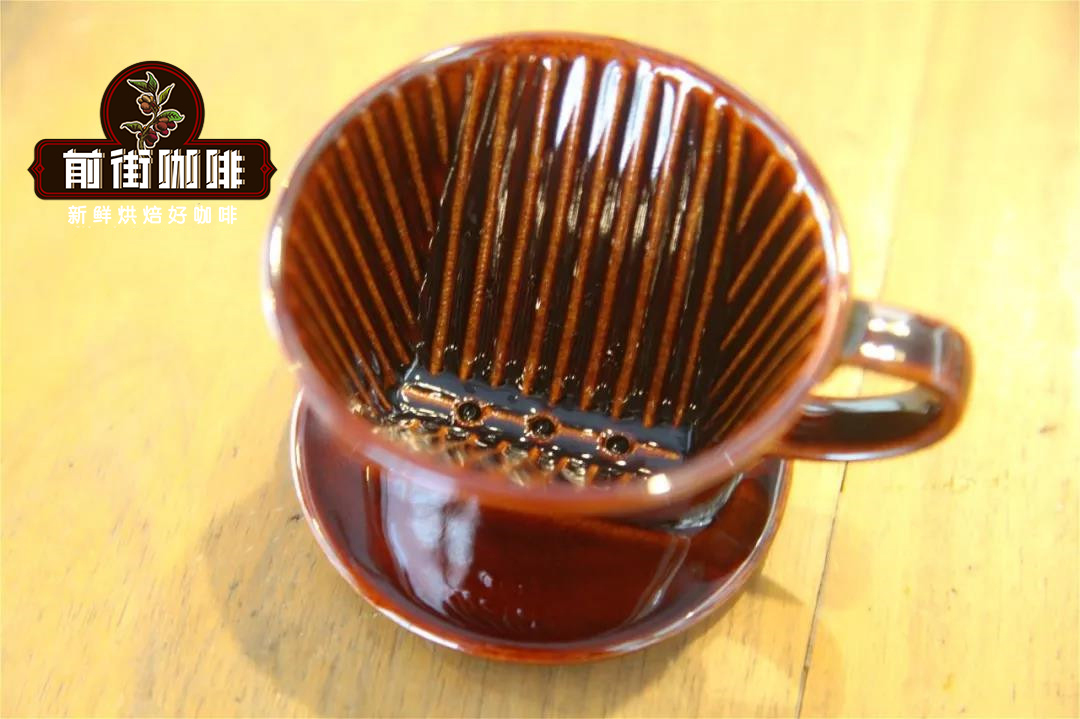
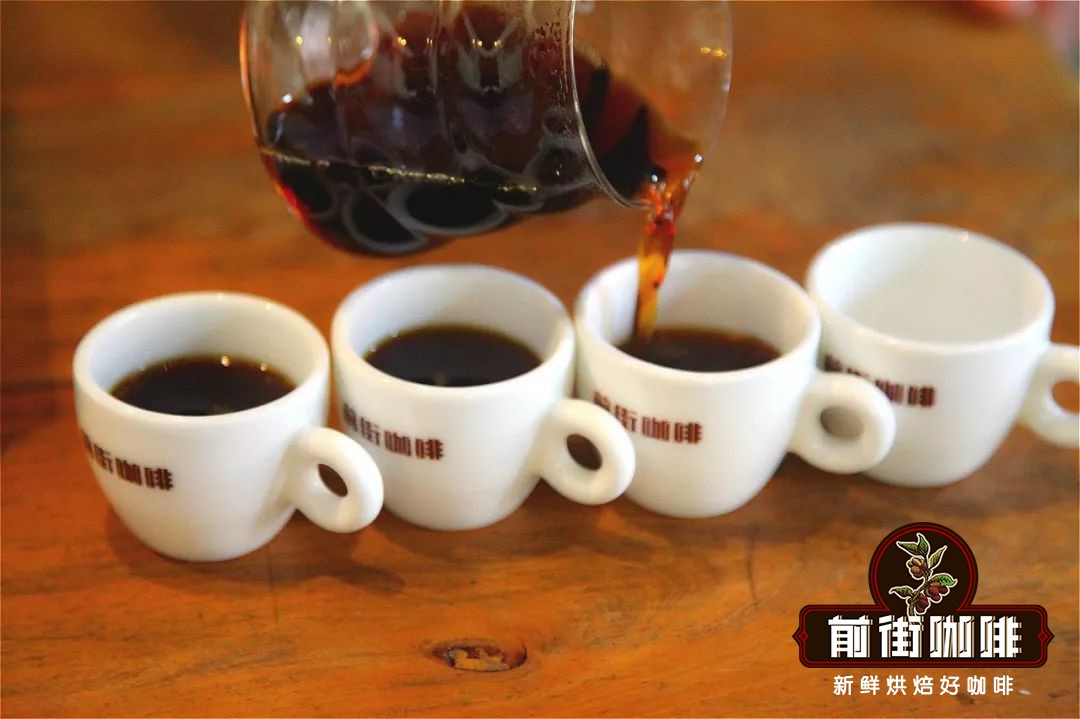


Ice drip coffee
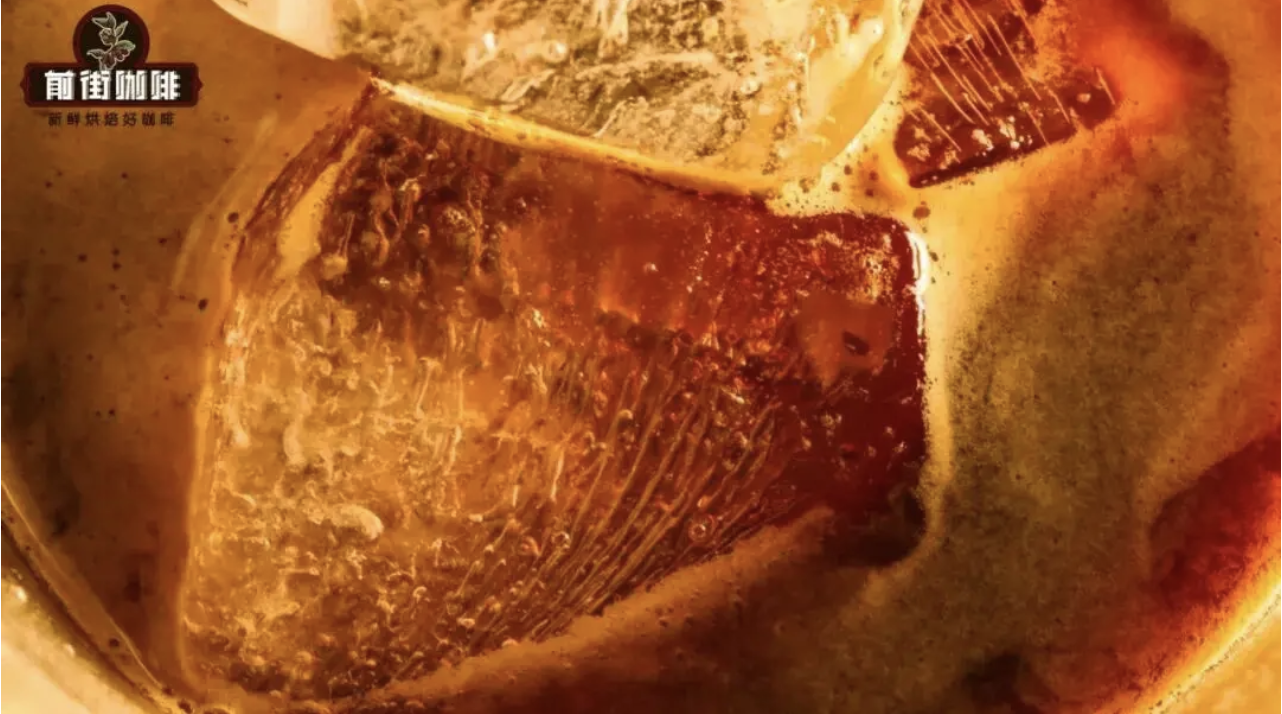
Ice drip coffee is a coffee brewed with time. Coffee brewed at different water temperatures tastes different, and at low temperatures the astringent substances in coffee are even less easily dissolved out. Extracted with ice water over a long period, then placed in the refrigerator to ferment after extraction is complete, the slightly fermented ice drip coffee has a faint fermented aroma, and its mouthfeel also tends to become fuller.


The top of the ice drip pitcher is where the ice cubes and water go, and the ratio of ice cubes to water is 1:1;
The middle section is where the ground coffee goes, and the ratio of ground coffee to the ice-water mixture can be anywhere from 1:10 to 1:12;
The bottom is the pitcher that collects the coffee liquid.
① When pouring the grounds into the grounds cup, remember to shake them level, and you can also gently tamp the grounds, but remember not to press too hard! Because the weight of the tamper itself is already enough. And the purpose of tamping is only to level the grounds, not to compact them. If you do not tamp, the water will easily wash the grounds up when it comes down; but if you press too hard, the water will not be able to get through, and channeling is also very likely to occur.

② Remember to place a piece of filter paper on the surface of the grounds. Because the tension of the filter paper allows the water to distribute evenly; without filter paper, the long dripping of water will form a pit in the coffee bed.
③ Remember to carry out a "pre-infusion", which is similar to the blooming process in pour-over. This can improve extraction and consistency of the final cup. If you ice-drip directly, the extraction of the coffee bed may be uneven, with some of the ground coffee over-extracted while another portion never takes part in the extraction.

④ After making it, do not rush to enjoy it! You can pour the coffee into a sealed glass bottle and put it in the refrigerator to ferment for at least one night, letting the coffee's flavors meld together for a better mouthfeel and a drink that goes down more easily.
Chamber, filter cap, plunger, funnel, filter paper and filter paper holder, stirrer.
There are generally two ways to press an AeroPress, the standard (upright) method and the inverted method.
The standard method is to place the AeroPress chamber on a cup, add ground coffee and a certain ratio of hot water, then stir, insert the plunger and press down. With this brewing method, the coffee filters and extracts at the same time during pouring, so the mouthfeel and flavor may seem a little thin.

Method: pour in 15 g of ground coffee, add 40 g of water and stir evenly (because the chamber is narrow, ground coffee may remain at the edges, so adding a bit more water lets the ground coffee in the corners absorb water fully); after 30 seconds add water up to 227 g, then stir again to help the ground coffee continue to degas; at around 1 minute 30 seconds flip it over and press, and the pressing extraction takes about 30 seconds. If you find the taste a little strong, you can dilute it with some water.
The charm of the AeroPress lies in how simple it is to make, its clean mouthfeel, and the fact that it can be adjusted in many ways to suit our taste. It first steeps by adding water. Then, with a certain amount of pressure, it presses the water mixed with coffee through the filter to extract it. Because the filter paper has a certain density, those particles that do not dissolve in water are filtered out, leaving a clean-tasting coffee. And because its extraction method is mainly steeping, the extraction is more balanced and the sweetness is also more pronounced.

[Differences Between the French Press and the Clever Dripper]
1. Material: [French Press] glass; [Clever Dripper] PCT material.
2. Shape: [French Press] cylindrical; [Clever Dripper] trapezoidal.
3. Pouring method: [French Press] after pressing the grounds down with the plunger, the coffee liquid is poured out from the top spout; [Clever Dripper] when placed on a server the valve opens and the coffee liquid flows out from the bottom.
[French Press] Method: pour water directly to 229 g, wait 3 minutes 30 seconds, then press out; the total time ends at 3 minutes 52 seconds.
Flavor: brown rice, passion fruit, lime, berries, honey, nuts; the overall mouthfeel is round, with a thick, fruity-juice-like body and balanced acidity and sweetness.
[Clever Dripper] Method: pour water directly to 225 g, wait 3 minutes 30 seconds, then press out; the total time ends at 4 minutes 04 seconds.
Flavor: brown rice, vanilla, lemon, nuts, orange, citrus, plum; the overall mouthfeel is clean, with obvious layers and a long finish.

So why does the [French Press] have oils while the [Clever Dripper] does not? That is because their pouring methods differ. First, the [French Press] uses a metal filter plus filter paper, and the plunger presses the grounds from top to bottom, which slightly increases its extraction yield. Then, the coffee liquid is poured out from the top spout; the oils that originally floated on the coffee liquid also flow into the server with the stream; the plunger's stainless steel mesh plus filter paper does not actually filter very tightly, so some of the grounds also flow out with the stream. The coffee's oils add body and smoothness and make the flavor softer and more balanced.

Other Brewing Methods
[Drip Coffee Makers & Fully Automatic Coffee Machines]

Recommended everyday pour-over coffee beans with great value: Qianjie Ethiopia Yirgacheffe Gudingding, Qianjie Panama Hacienda La Esmeralda Green Label Geisha coffee beans
Espresso coffee bean recommendations: Qianjie Classic Blend, Strawberry Candy Espresso Blend
These coffee beans can now be purchased at the Tmall "Qianjie Flagship Store," where you can also find 60 kinds of single-origin pour-over coffee beans and espresso coffee beans from around the world. Qianjie coffee beans are freshly roasted and shipped within 24 hours.
Tmall Qianjie Flagship Store link: https://qianjieshipin.tmall.com
Or you can search "Qianjie Flagship Store" directly on Taobao
Qianjie Coffee store address: No. 315 Donghuadong Road, Yuexiu District, Guangzhou
Related Reading
Comments (0)
Loading comments...
You May Be Interested

Trending Reviews
Popular Videos

With you, wherever you are! We provide useful features to help you find new things you'll love






