Source:Best Coffee > News Author:qjroot Published:2024-10-27 18:43:32
According to Ethiopian media reports, Semera University announced that during October 26, a magnitude 4.7 earthquake occurred in the Awash Fentale district of Oromia State. According to the university's geology professor, earthquakes of varying magnitudes occurred from 11 a.m. to after 9 p.m. on the 26th, but fortunately there were no casualties.
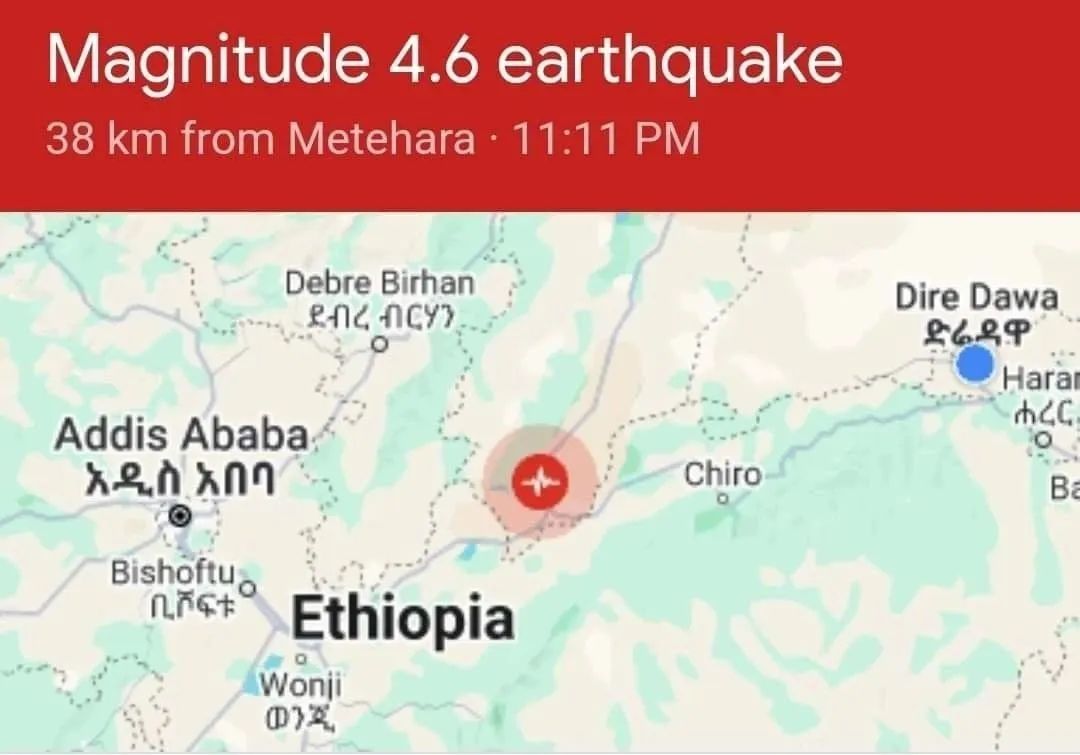
According to local residents, the earthquake on the 26th was stronger than other earthquakes, and they also confirmed that no one was injured. But this is not the first time the Awash Fentale area has experienced an earthquake. It is reported that since October this year, the area has seen multiple earthquake events, the earliest of which occurred on the evening of October 6. In addition, on October 13 and 16, multiple earthquake events still occurred in the Awash Fentale area, though these earthquakes did not cause any casualties.
Because the area is close to Ethiopia's capital Addis Ababa, only about 150 km away, multiple areas of the capital experienced earthquakes and tremors. According to the head of the Department of Geophysics and Space Science at the capital's university, the earthquakes in different parts of the capital were all caused by earthquakes in the Awash Fentale area.
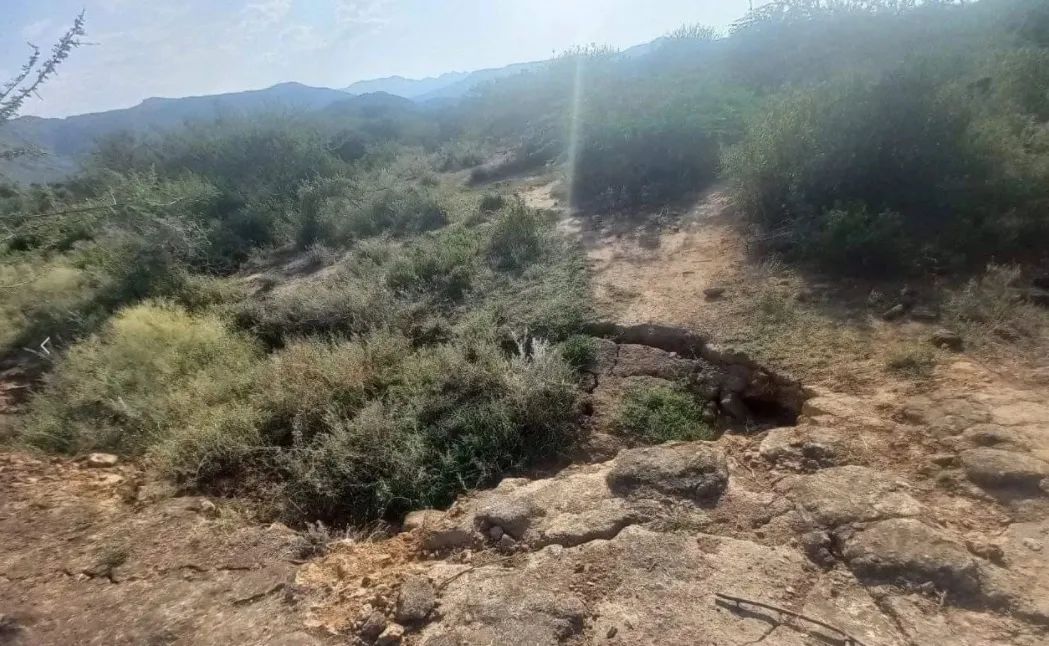
At the same time, he said that the frequent recent seismic activity in the area has not stopped, and the cause of the earthquakes is lava entering underground, which will not pose a very serious problem to the capital. However, because the area where the earthquakes occur is located in the East African Rift Valley, residents living in the rift valley area and along its line are reminded to remain vigilant, as similar earthquakes may occur again.
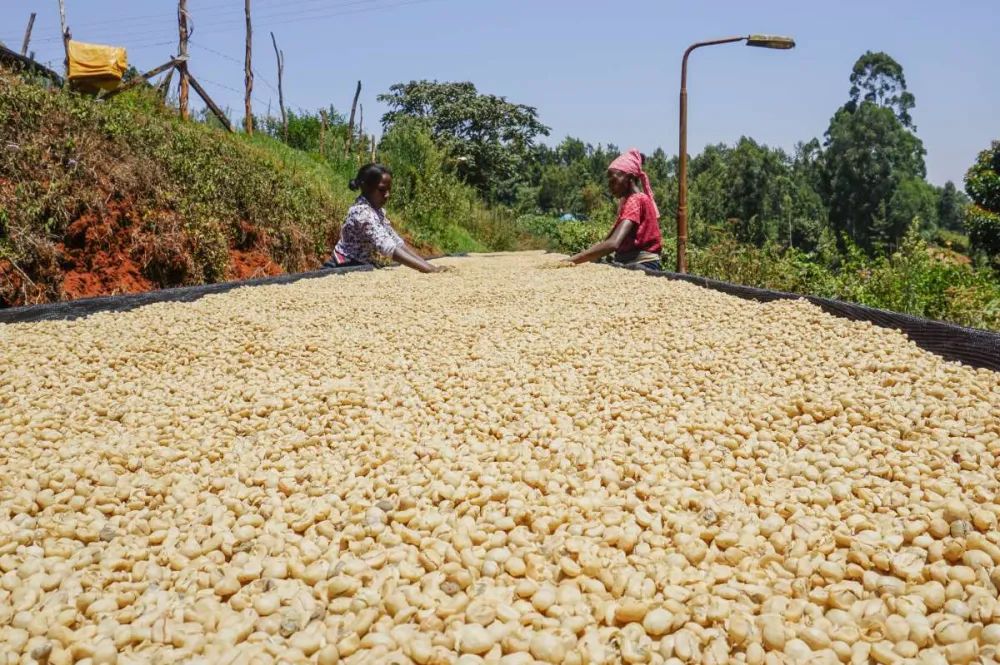
However, the frequency of the earthquakes has also caused concern, especially among people in the coffee industry and the transportation industry. It is understood that, in addition to being near the capital, the area affected by this earthquake is also very close to the Harrar coffee-producing region, and the earthquakes may damage the soil in these areas and affect their coffee production.
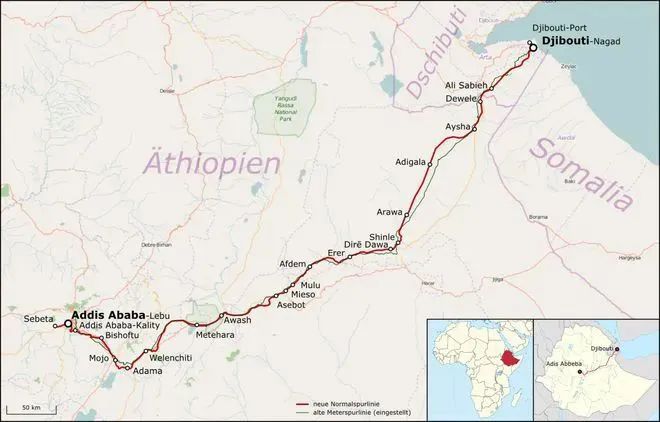
In addition, multiple consecutive earthquakes may cause road foundation settlement, cracks in the ground, road surface collapse and other conditions, and some of the earthquakes occurred in mountainous areas, which can easily trigger landslides and may affect road use. Ethiopia is a landlocked country, and both exports and imports rely on ports in neighbouring Djibouti, and the Awash region is also one of the main routes through the port of Djibouti, so earthquakes may have a certain impact on the export of coffee and other products or the transport of imported goods.
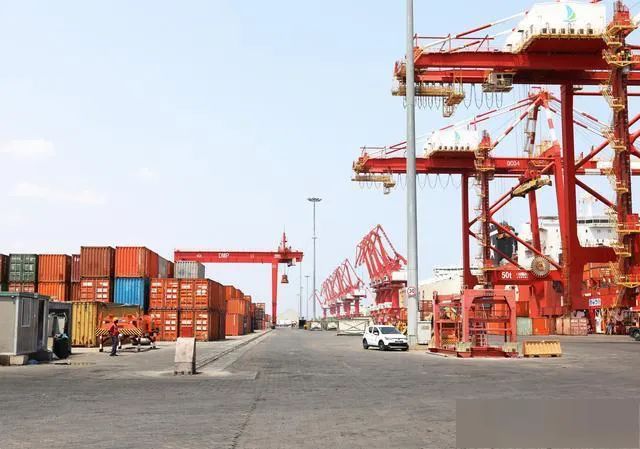
Moreover, due to the intensification of the Red Sea crisis, shipping at the port of Djibouti, located at the southern entrance to the Red Sea, has been severely affected, causing Ethiopian coffee to pile up at the port of Djibouti, and if the current road problems cause transport delays, this may aggravate the pile-up and delay problems.
However, at present, for Ethiopia's coffee industry, the biggest problems remain regional security and the exchange rate. At present, the conflict in northern Ethiopia has still not been effectively resolved, and it has even worsened recently; government forces have even deployed heavy weapons such as drones and combat helicopters, launching multiple attacks without success.
Due to the conflict and exchange rate problems, local prices in Ethiopia are currently rising severely. Although Ethiopia earlier issued new rules limiting the spread between the buying price and selling price of foreign exchange transactions to 2%. However, the exchange rate is still continuously falling, and many people believe that the Ethiopian birr is still unstable and will depreciate further. Therefore, local prices only rise and do not fall, causing coffee cultivation costs to keep rising as well. According to the latest coffee minimum price published by the Ethiopian Coffee and Tea Authority, coffee prices across the board were raised by 0.5%.
For more information about coffee origins, please scan the QR code to follow: Kapin
Long-press the QR code to follow:

Related Reading








Comments (0)
Loading comments...
You May Be Interested




Trending Reviews
Popular Videos

With you, wherever you are! We provide useful features to help you find new things you'll love






