Source:Best Coffee > News Author:qjroot Published:2024-12-17 18:56:53
Recently, the local Brazilian consultancy Safras released a report on Brazilian coffee sales in recent times. The report noted that as of December 11, Brazil had sold 79% of its 2024/25 coffee crop, far ahead of the 69% sold in the same period last year and the 73% average sales pace of the past 5 years, with only 12% of the 2025/26 coffee crop pre-sold.
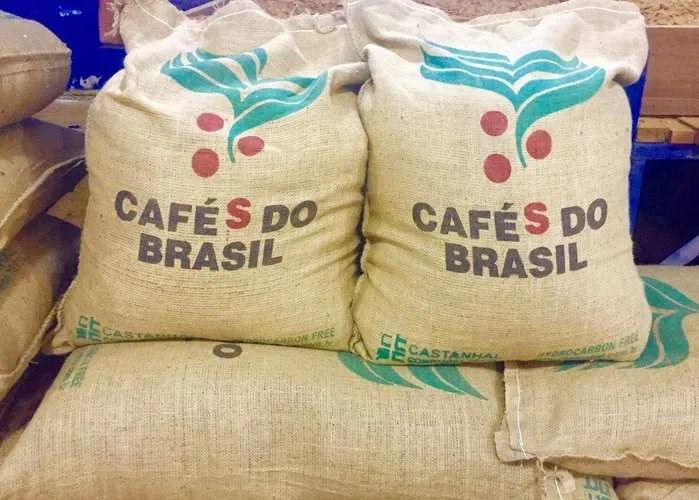
Safras said that because coffee prices have remained high recently, farmers were encouraged to sell their coffee beans, and some of the coffee already sold is being stored in warehouses awaiting shipment. Currently, 77% of arabica coffee has been sold, and 84% of robusta coffee has also been sold, both ahead of the sales pace in the same period in previous years.
However, as coffee from Vietnam's new crop season enters the harvest period, robusta coffee futures prices have fallen back, which has also caused Brazil to slow the pace of robusta coffee sales. Because Brazil's coffee bean exports were strong in November, most growers currently have sufficient funds on hand and are not in a hurry to sell their remaining coffee crop.
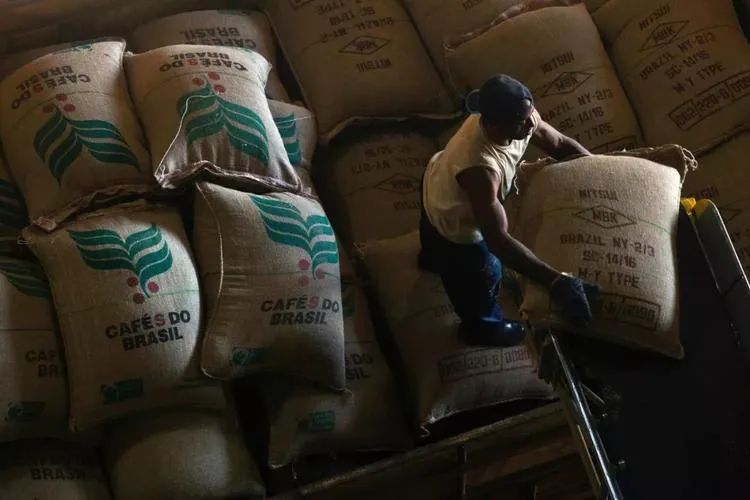
In addition, the report noted that so far Brazil has only pre-sold 12% of its 2025/26 coffee crop, far below the sales figures for the same period last year. Safras said this is because Brazil suffered its worst drought in 70 years between July and September this year and faced the threat of wildfires, followed by irregular rainfall, leaving people very worried that the next crop season's coffee harvest could be poor.
Growers currently worry that they may not have enough coffee beans to deliver by then, so they remain very cautious about pre-selling coffee. The reduced sales volume, along with concerns about future coffee supply, has pushed Brazil's domestic spot coffee price to break its 26-year record in recent days.
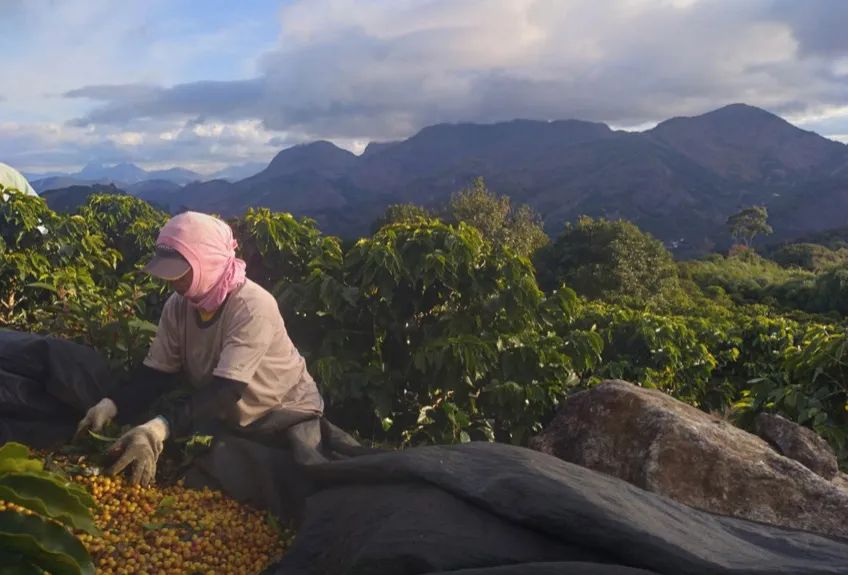
In addition, several institutions have already issued estimates for coffee production in the next crop season, but the market believes it is still "too early" to draw a final conclusion. However, Brazilian domestic growers will still choose to continue reducing the volume of pre-sales, so before future production data becomes clear, domestic and international coffee prices will remain high.
Moreover, the Brazilian coffee industry is still facing many difficulties, the most pressing of which is the exchange rate issue. Recently, due to Brazil's domestic political situation, economic policies, global market turmoil and fluctuations in commodity prices, the exchange rate of the real against the US dollar has fallen sharply. Although the Brazilian government has taken action and the central bank announced an interest rate hike, this is already the third rate hike in Brazil this year, but it has not stabilized the real's exchange rate, which has now accumulated a decline of more than 20%.
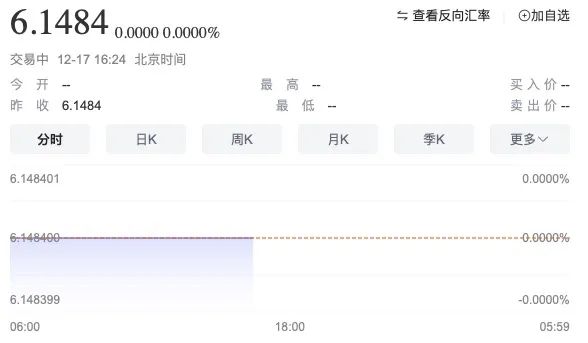
This puts Brazilian exporters in a severe position in the international market, because exchange rate fluctuations lead to instability in export revenue. In addition, the depreciation of the real has driven up domestic prices in Brazil, and coffee cultivation costs have risen accordingly, intensifying operating pressure. To cope with exchange rate fluctuations, many exporters use financial instruments to hedge (coffee futures), which has reduced losses but has also pushed up futures prices.
Regarding the current situation, the head of commodity strategy at Denmark's Saxo Bank said that coffee is a daily beverage for billions of consumers worldwide, but it has developed very rapidly in recent years, while global coffee supply has not kept up with the surging demand. This is especially true of Brazil and Vietnam, which account for 56% of global coffee production, but due to climate and other issues, both are facing supply shortages.
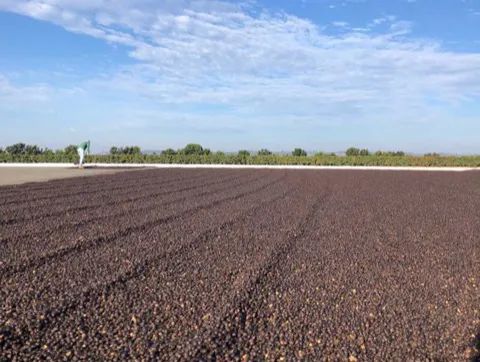
In addition, the head of agricultural commodity markets at Rabobank warned that Brazil's coffee harvest has suffered poor yields due to severe weather for five consecutive years, so coffee prices will rise further next year. Coffee prices will only fall once supply improves and inventories are sufficiently replenished, but that process will take several years.
To learn more about coffee origins and news, please scan the QR code to follow: Kaping
Long-press the QR code to follow:

Related Reading

Comments (0)
Loading comments...
You May Be Interested


Trending Reviews
Popular Videos

With you, wherever you are! We provide useful features to help you find new things you'll love






