Source:Best Coffee > News Author:qjroot Published:2026-09-16 01:51:41
The cell structure and flavor density that coffee beans develop during roasting directly determine how efficiently the ground particles dissolve and release their contents when they meet water. Whether you are using a moka pot, which relies on steam pressure, or a pour-over dripper, which depends on gravity, the grind setting must always follow the entire brewing plan. Only by considering water temperature, coffee-to-water ratio and pouring rhythm together can the ground particles release balanced, full-bodied aromatics the moment the water flows through.
A moka pot uses the steam pressure generated by heating the lower chamber to push hot water upward into the filter basket, and the resistance created by the coffee bed directly affects extraction time and flow rate. If the grind is too fine, it easily leads to clogged channels or excessive resistance, causing the coffee grounds to steep too long inside the hot, sealed space; if the grind is too coarse, the hot water carried up by the steam passes through the coffee bed too quickly, and the flavor compounds do not have time to dissolve fully. Therefore, the grind size for a moka pot must work in concert with the dose, the water temperature in the lower chamber and the heating intensity.
If you plan to brew a deep, intense dark-roasted coffee, such as Qianjie PWN Indonesia Golden Mandheling, it naturally carries a steady herbal aroma, rich dark chocolate flavors and a full-bodied texture. Dark-roasted beans are looser in structure, absorb water readily and release their flavor compounds very quickly, so when setting up a moka pot recipe the grind should be slightly coarser than fine sugar, to reduce the resistance the water meets and prevent off-flavors in the final stage.

When brewing this bean, you can pour 120ml of 90°C hot water into the lower chamber of the moka pot, gently spread 18g of coffee grounds level in the filter basket without tamping, screw the pot tightly shut and place it over medium-low heat. Keep the total extraction time to about 1 minute 45 seconds, relying on steam pressure to complete a steady, single-stage continuous flow. When light-colored foam spills from the upper chamber, remove the pot from the heat immediately and dip it in cold water to cool it down. The coffee brewed this way retains the herbal aroma while also having a cocoa-like, full-bodied mouthfeel.
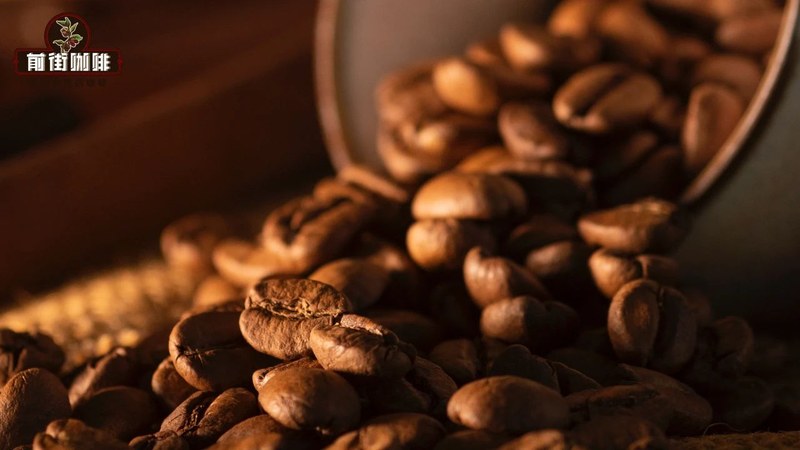
If you switch this dark-roasted bean to a three-pour pour-over method instead, the grind and parameters need to be matched all over again. The pour-over grind should be adjusted to a medium coarseness, like coarse sugar granules, using 86°C water, 15g of coffee grounds and a 1:15 ratio, pouring 225ml of hot water. First bloom with 30ml of water for 30 seconds, then steadily pour 95ml of water to reach 125ml. Once the water level drops, pour another 100ml to reach a total of 225ml. Keep the total time to 2 minutes 05 seconds, and you will brew a clean, mellow cup of black coffee with low acidity.
For medium-roasted coffees with a soft aroma and the sweet notes of roasted nuts and caramel, Qianjie Brazil Queen Estate can deliver a remarkably round and balanced flavor performance. The extraction resistance of medium-roasted beans falls between that of light and dark roasts. In a moka pot recipe, the grind can be slightly finer than for dark-roasted beans, close to the size between fine sugar and fine salt, to increase the contact area between the hot water and the coffee grounds and heighten the intensity of the nutty aroma.
When brewing this bean in a moka pot, it is recommended to add 100ml of 88°C hot water to the lower chamber, put 15g of coffee grounds in the filter basket and gently level them with a distribution needle, then use a low-heat, slow-extraction single-stage heating method, keeping the total extraction time to about 2 minutes 10 seconds. As the steam rises slowly, the coffee flows gently into the upper collecting chamber as golden-brown crema. The whole cup fully expresses the sweetness of caramel and a delicate nutty finish, mild and smooth.
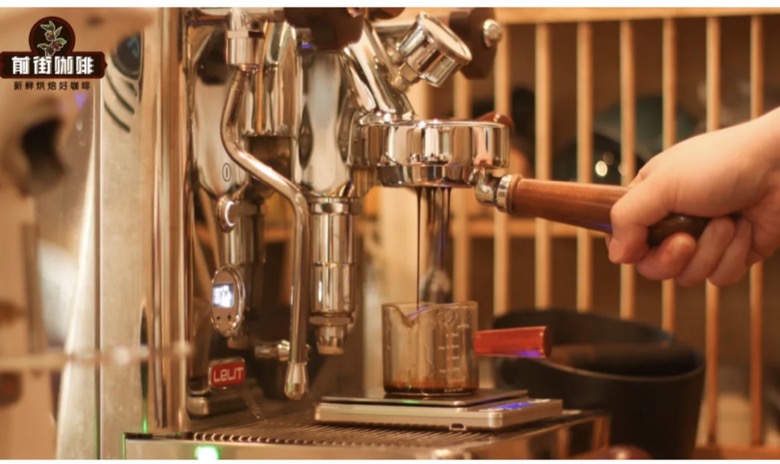
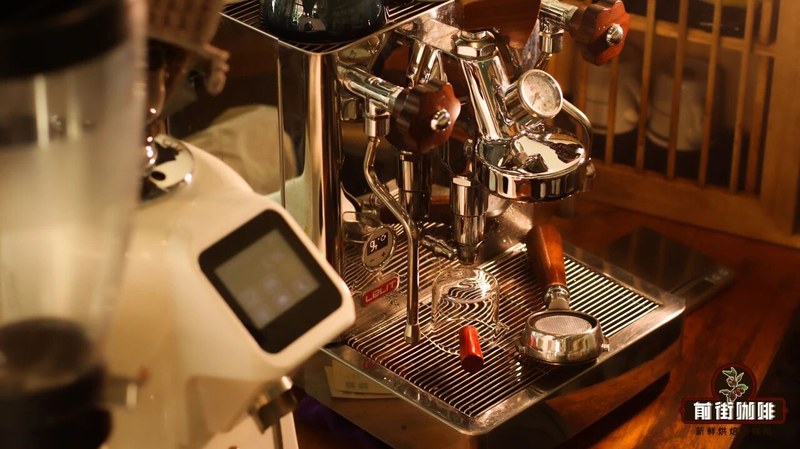
If the same medium-roasted bean is used on an espresso machine to make espresso, the brewing plan must shift to a high-pressure environment. It is recommended to set the extraction water temperature to 92°C, use 18g of very finely ground coffee tamped into the portafilter basket, and extract in a single continuous stage under a constant 9bar pressure for a total of 27 seconds, yielding 36ml of espresso. This high-pressure, fast approach fully emulsifies the coffee oils, concentrating the nut and cocoa aromas in the cup at a very high intensity.
When facing a blend that needs to balance intensity with how well it combines with milk, Qianjie Classic Blend provides a full chocolate base and a solid structure. Whether making a hot americano or a daily milk coffee, this bean depends on the brewing plan to accurately extract its substantial flavors. In a moka pot, a finer grind paired with steady steam pressure lets the caramel sweetness and nutty aroma of the blend release fully, laying a sturdy flavor foundation for adding milk.
For a moka pot latte with this blend, you can pour 110ml of 85°C hot water into the lower chamber, fill the filter basket with 16g of coffee grounds, keep the grind at the size of fine salt, heat over low heat and complete the single-stage flow within 1 minute 55 seconds, collecting about 60ml of highly concentrated coffee. Then pour it directly into 180ml of steamed 60°C hot milk, and the drink will present a sweet, rich mouthfeel like hot cocoa.
Grind size is never an isolated parameter on a dial, but a gear within the whole brewing logic. Once you understand the pressure characteristics of a moka pot and the differences in water temperature and flow mechanisms among pour-over and espresso, you can adjust the coarseness of the particles according to the roast profile, letting every coffee bean unfold a balanced, moving flavor within its own dedicated plan.
Related Reading



Comments (0)
Loading comments...
You May Be Interested

Trending Reviews
Popular Videos

With you, wherever you are! We provide useful features to help you find new things you'll love






