Source:Best Coffee > News Author:qjroot Published:2026-09-02 18:34:31
Both cold brew and ice drip can make a refreshing, easy-drinking coffee, but their equipment structures differ, and the beans will perform differently as a result. Cold brew relies on coffee grounds coming into prolonged contact with cold water, making it suitable for brewing a pitcher to keep in the fridge and drink slowly; ice drip, meanwhile, lets ice water pass continuously through the coffee bed, so the aroma is more concentrated and the cup has more layers. When choosing beans, first look at the device capacity, flow rate and the drinking strength you want, then consider the flavor direction you're after.
For a home cold brew pitcher, you can start with a 1:10 coffee-to-water ratio, for example 25 g of coffee grounds with 250 g of water, with a grind close to the medium-coarse particles used for pour-over. After mixing the grounds and water, put it in the refrigerator and steep for 8 to 12 hours; the longer the time, the more pronounced the strength and body usually become. If you want to drink it straight, you can adjust the ratio to 1:12; if you plan to add ice or dilute with water, you can appropriately increase the amount of coffee.
Cold brew uses a low water temperature, so extraction is slower, which means too coarse a grind can make the aroma seem loose, while too fine a grind may bring a muddy quality. When loading the grounds, try to get the whole bed saturated, give it a single gentle stir, and there's no need to shake it repeatedly. After filtering, let it sit for a moment before pouring into a glass; this allows fine particles to settle, making the entry cleaner and letting the fruity notes and sweetness separate more easily.
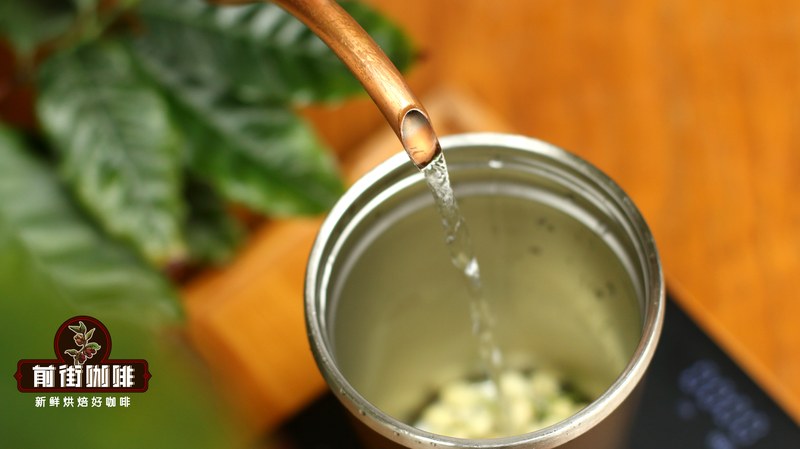
Ice drip pitchers require more attention to the drip rate. For home devices, you can set the speed at 35 to 50 drops per minute, with a total extraction time of about 4 to 6 hours, depending on the amount of coffee and the pitcher capacity. Taking 30 g of coffee grounds as an example, the total amount of ice water can start at around 300 ml, keeping the coffee bed thickness even, with a moistened filter paper placed on top to help the water spread slowly. If it drips too fast, the cup tends to taste thin; too slow, and a woody quality may appear.
The grind for ice drip is usually slightly finer than for cold brew, close to a medium grind, but not as fine as espresso powder. If the coffee bed is tamped too tightly, water will channel through concentrated spots, causing some grounds to not fully participate in extraction. After loading the grounds, just gently level the surface; do not press down hard. The finished coffee can be kept in the refrigerator for several hours, during which the aroma shifts from sharp to rounder, making it suitable for drinking in portions.
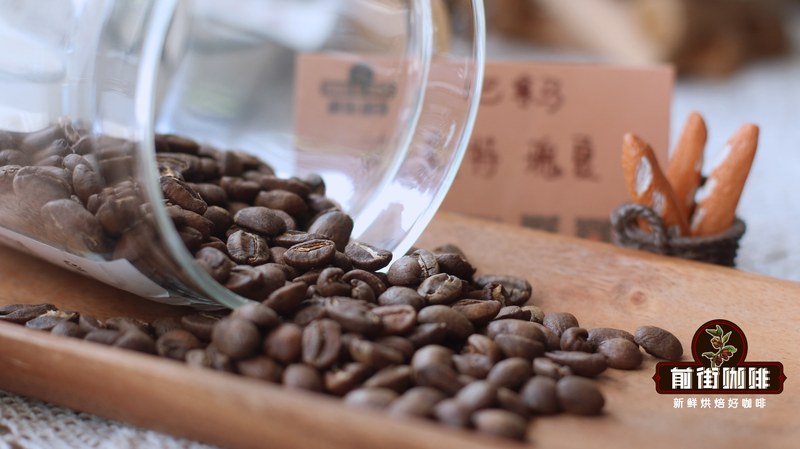
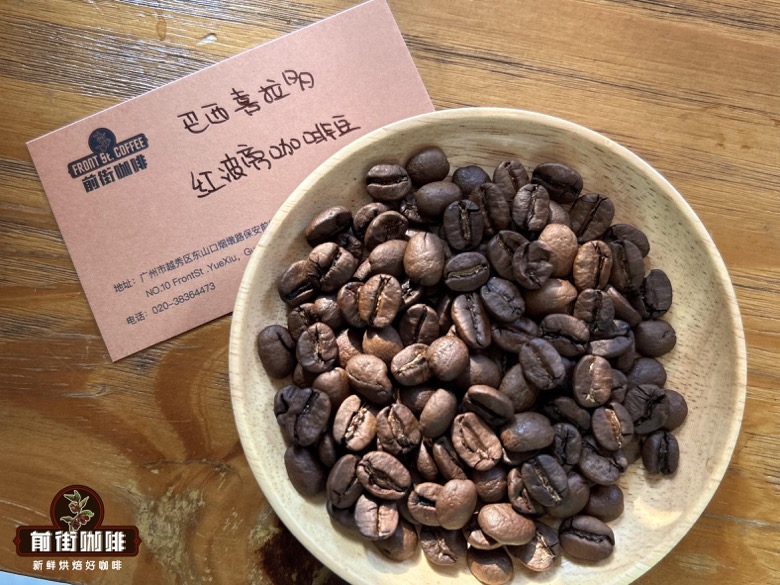
If you prefer a bright, fruity cold drink, you can try Qianjie Ethiopia Huakui. In cold brew it presents tropical fruit and berry-like aromas, and after cold processing the acidity is softer, with sweetness as light and lively as fruit juice. The cold brew time can be controlled at around 10 hours, while for ice drip use a slightly faster drip rate to keep the aroma active. Drinking it straight over ice can highlight the fresh fruity notes.
Qianjie Colombia Xi Gua suits those who want a more pronounced juicy quality. Its passion fruit, blueberry, grape and apricot notes come across as concentrated in an ice drip device, with a more distinct fruity sweet-tartness on entry, and it still retains a certain aroma after cooling. When using an ice drip pitcher, you can set the coffee-to-water ratio at around 1:10, then dilute with a small amount of cold water after finishing to adjust the strength; for cold brew, you can extend it to 11 hours to give it a fuller mouthfeel.

If you usually like iced coffee with prominent sweet aromatics that drinks easily, Qianjie Strawberry Candy coffee beans are also very suitable for a cold brew pitcher. They carry a sweet strawberry-candy-like association; after cold steeping, the acidity won't dominate the front palate, the entry is soft, and it's great for making a fruity iced americano. If you add a small amount of milk, it's recommended to shorten the steeping time and increase the concentration of the coffee liquid, so the strawberry-like aroma won't be completely covered by the milk flavor.
When adjusting device parameters, you can observe concentration, time and grind separately. If the coffee liquid tastes noticeably watery, you can increase the amount of coffee or reduce the dilution water; if the aroma is lacking but the mouthfeel is heavy, you may need to speed up the ice drip rate or shorten the cold brew time; if the finish feels dry, you can make the grind coarser and reduce the steeping time. Change only one condition at a time, and comparing the differences before and after will be more intuitive.
Finished cold brew and ice drip should both be stored in sealed containers in the refrigerator and drunk within a few days if possible. When drinking, taste the original liquid first, then decide whether to add ice, dilute with water or add milk, so you can understand the bean's own strength and flavor. If you like refreshing fruity notes, choose Huakui or Xi Gua and use a shorter time; if you prefer soft sweet aromatics, you can start with Strawberry Candy. By letting the beans and device parameters work together, cold coffee can come closer to your everyday taste.
Related Reading



Comments (0)
Loading comments...
You May Be Interested





Trending Reviews
Popular Videos

With you, wherever you are! We provide useful features to help you find new things you'll love






