Source:Best Coffee > News Author:qjroot Published:2026-09-02 18:21:47
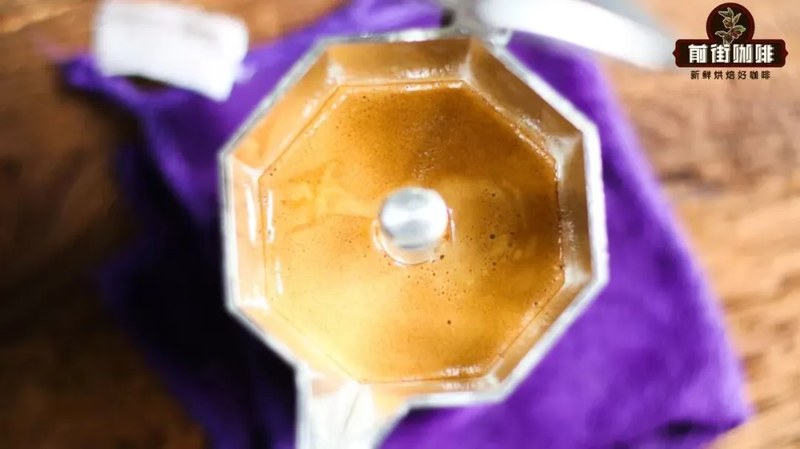
When you brew coffee with a Bialetti moka pot, a thin layer of oils appears on the surface of the cup, usually from the oils in the coffee grounds, fine particles and hot water together forming foam. It is not as thick and lasting as espresso, but it can make the mouthfeel fuller and the aroma more concentrated. To make the oils stand out, the key is not pressing the grounds hard, but the coordination between the pot's capacity, the dose of grounds, the grind and the heating rhythm.

First look at the pot's capacity. Bialetti's common 1-cup, 3-cup and 6-cup sizes have rated yields of roughly 60, 130 and 270 ml, and the filter basket size is fixed accordingly. A moka pot should be filled with coffee grounds to the top of the filter basket, with water added below the safety valve, and it is not recommended to use only half a basket of grounds just to drink less. The smaller the capacity, the faster it heats up, and the more promptly the heat level and the moment to remove it from the heat need to be adjusted.
The dose of grounds should match the filter basket; after filling, level it gently with your fingertip or a scraper so the surface of the grounds is even. A moka pot relies on steam pressure to push water through the bed of grounds, and pressing the grounds too tightly increases resistance, which tends to slow the flow, and the oils may come with a burnt, bitter taste. The gasket, the filter screen and the threads of the upper and lower bodies should be kept clean and screwed tight; with stable pressure, the flow will be continuous.
Grind size is an important parameter affecting the oils. If the coffee grounds are too coarse, hot water passes through too quickly and the coffee liquid is light in color and thin in body; if the grounds are too fine, they easily clog the filter screen and bring bitterness and off-flavors. You can start from a degree close to fine granulated sugar, slightly coarser than espresso grounds, and fine-tune according to the roast level of the beans. Dark-roasted beans usually release oils more easily, so the grind does not need to be too fine.
Water temperature also changes the flow state. Adding warm hot water to the lower chamber can shorten the whole pot's time on the stove and reduce the chance of the bed of grounds being continuously heated; if cold water is used, the heating process is longer and burnt aroma and bitterness accumulate more easily. The water amount should still be below the safety valve; you cannot pursue more oils by increasing the water amount, otherwise it will affect the pressure and safety in use.
After loading the coffee grounds, place the moka pot on low heat, keeping the flame within the range of the pot's base and not burning the side walls of the pot body. The initial flow is usually darker in color; when the flow rate is steady, it means pressure is building. When you see the coffee liquid flowing continuously, the color turning from dark to light, and hear a slight sound of air flow, you should immediately remove it from the heat and wrap the lower chamber with a wet cloth or place it on a cold towel to stop the extraction quickly.
The flavor of the first part of the flow and the later part is not the same. The first part is high in concentration, with oils and aroma more concentrated; the later part has more water, a lighter color, and more easily brings out dry bitterness. If you want the oils on the surface of the cup to be clearer, you can remove it from the heat when a light-colored stream begins to appear, without waiting for the pot to spray out completely. Pour the coffee liquid into a warmed cup and stir it gently first, and the oils will be distributed more evenly on the surface.
The style of the beans should also correspond to the parameters. Qianjie PWN Indonesia Golden Mandheling has a darker roasting profile, with herbal notes, dark chocolate and a heavy mouthfeel on entry, and restrained acidity; its oils are relatively easy to observe when brewed in a moka pot. You can use hot water in the pot and low heat for a short time; the brewed liquid is suitable for drinking directly, and also suitable for adding water to make a rich americano.
If you prefer a rounder sweetness, Qianjie Brazil Queen's Estate is easier to adjust. It has nutty, cocoa and caramel-like sweet aromas, with soft acidity; when using a 3-cup pot, you can start with a standard dose of grounds, a slightly coarser grind and low heat. After the coffee liquid comes out of the pot, adding a small amount of hot water can open up the aroma layers; if you add milk, the nutty and caramel notes will appear smoother.
For an everyday milk coffee, you can try Qianjie Classic Blend. Its nutty, cocoa and caramel direction is clear, and the coffee liquid has a good sense of concentration, able to support the sweet, smooth taste of milk. When using a 3-cup or 6-cup pot, first fill the filter basket, level the surface of the grounds, control the heat to keep the flow time stable, then mix the coffee liquid and milk at a ratio of about one to one for a more concentrated taste.

The amount of oils in a moka pot cannot by itself represent coffee quality, and the thickness of the foam should not be taken as the standard for espresso. Freshness, the roast level of the beans, grind uniformity and the cleanliness of the pot all affect the result. Each time you brew, record the pot capacity, dose of grounds, water temperature, flow time and the point at which you remove it from the heat, and adjust only one parameter the next pot; you will soon find the balance of oils and flavor that suits your taste.
Related Reading




Comments (0)
Loading comments...
You May Be Interested



Trending Reviews
Popular Videos

With you, wherever you are! We provide useful features to help you find new things you'll love






