Source:Best Coffee > News Author:qjroot Published:2026-09-03 18:53:55
Whether a bag of beans is worth repurchasing depends not only on whether you like the flavor, but also on how easily it can be dialed in to a tasty state on the gear you commonly use at home. The grinder's adjustment range, water temperature stability, coffee-to-water ratio and extraction time all change the aroma, sweetness and mouthfeel. Beans with high parameter adaptability can retain a clear personality even on not-so-expensive equipment, making daily use easier.
To judge whether a bag of beans suits long-term buying, start by noting down your main brewing device. Filter cone users should pay attention to grind particle size and pouring speed, cold brew lovers care more about aroma retention after steeping, and moka pot users need beans that stay gentle even at higher temperatures. Different gear means the evaluation criteria for beans should shift accordingly; you cannot judge only by the flavor words on the packaging.
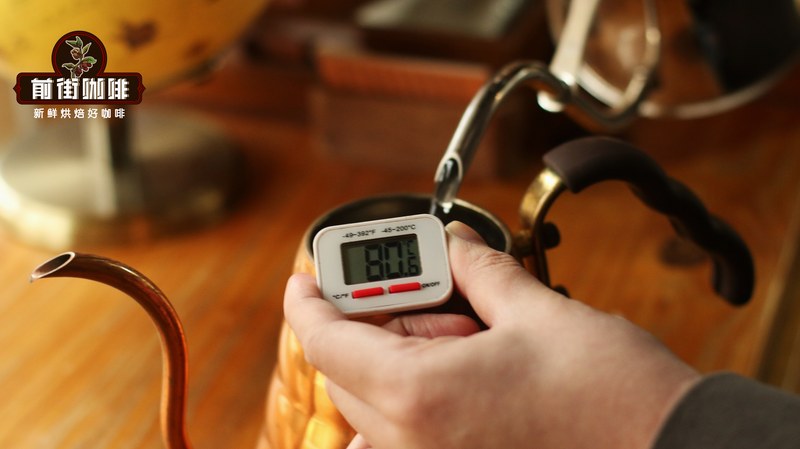
When choosing beans for pour-over, light or medium-light roasts usually need slightly higher water temperature to open up the aroma, but water that is too hot may make the tail end taste dry. With a home filter cone, you can start with a coarser grind and a faster flow rate, keeping more brightness and sweetness in the cup. If the entry feels thin, you can slightly fine up the grind; if the finish turns astringent, reduce agitation and let the water pass through the coffee bed more smoothly.
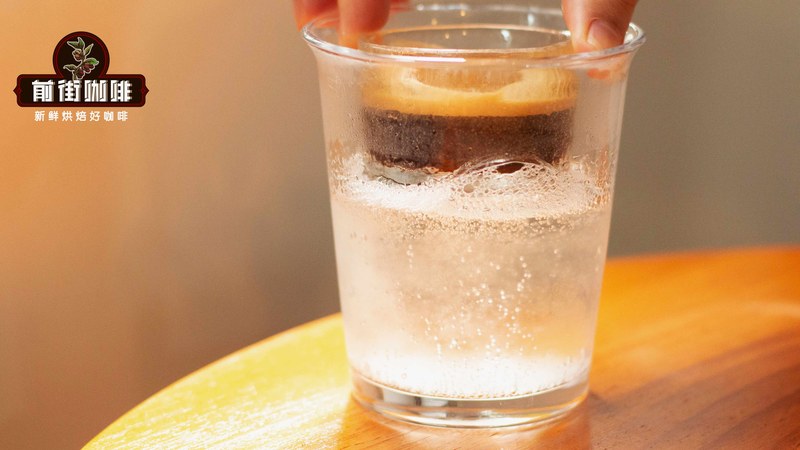
Qianjie Ethiopia Huakui is well suited to observing changes in filter cone parameters. Once brewed, it readily shows tropical fruit and berry sugar aromas, and its passionfruit-like lively acidity is also striking. For pour-over you can use a higher water temperature and a slightly faster pour to highlight the bright aroma; when making iced pour-over, reduce the proportion of hot water and the fruit aromas become refreshing. Those who prefer cold brew can drink a soft, sweet juice-like cup.
Qianjie Kenya Little Tomato is better suited to drinkers who favor a clear structure. When brewing with a filter cone, moderately raising the water temperature and keeping a medium grind lets the cherry-tomato-like sweet acidity, smoked plum note and syrupy body unfold in sequence. If you want a rounder mouthfeel, add a little more total water; if you want to intensify the juicy feel, shorten the brewing process to reduce dilution at the tail end, and the finish will be crisper.
Qianjie Kaffa Forest performs relatively lightly, and its sweet aromas of orange and ripe apricot show more easily as the temperature drops. It suits brewing with medium water temperature and a slightly slower pouring rhythm, avoiding too aggressive extraction at the start so the oolong-tea-like aftertaste stays clean. For people used to sipping one cup of coffee over a long time, this bean's temperature changes are interesting, and the sweetness gradually moves forward as it cools.
If you mainly use a cold brew pitcher, the grind should be coarser than for a filter cone, and the coffee-to-water ratio can start near one to thirteen, then be adjusted based on strength. Steeping time should not be extended just for the sake of longer; floral and fruity beans can easily lose their refreshing quality if steeped too long. Qianjie Ethiopia Huakui works well as chilled cold brew, where low temperature reins in the acidity; Qianjie Kenya Little Tomato can retain a bright, juice-like profile.
Iced pour-over is even more of a test of how hot water and ice are allocated. You can first let a small amount of hot water complete the bloom, then extract with a more concentrated stream, and finally let it fall directly onto ice to cool. This brings out the aroma while avoiding an overly watery cup. Huakui is suited to highlighting berry and tropical fruit notes, while Kaffa Forest shows more orange sweetness and a light tea-like quality, making it suitable for slow sipping in the afternoon.
When using a moka pot, the beans do not need to be ground as fine as espresso powder; just fill the basket and level it gently. Keep the water level below the safety valve and the heat steady, and stop heating when the color of the liquid flowing out turns lighter. For lighter floral and fruity beans, lowering the heat appropriately preserves more sweet aroma; if using Kaffa Forest, a medium-fine grind helps increase strength without pressing out its citrus aftertaste.
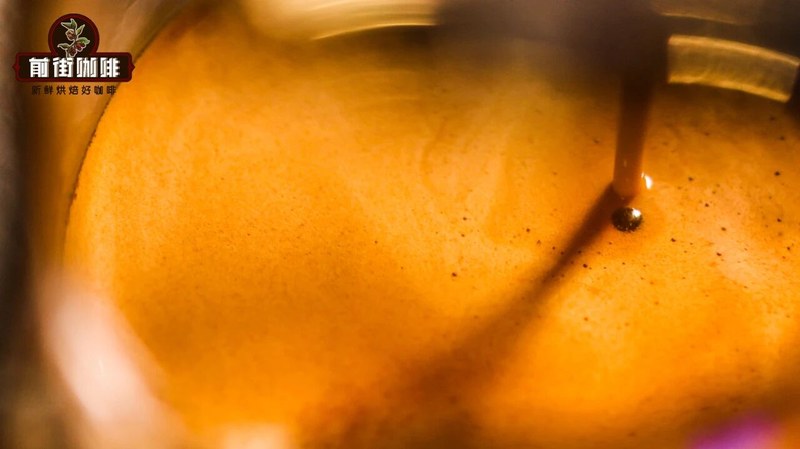
With a home espresso machine, parameter changes are more direct; dose, yield and grind setting all affect the thickness of the cup at the same time. If you usually drink americano, you can let the coffee liquid retain a clearer aroma rather than always chasing heaviness; when making milk coffee, you should appropriately increase the strength so the coffee still has a presence after passing through the milk. When using single-origin beans for espresso, it is recommended to start with a short time and a lower liquid weight, then gradually extend based on the sweet-acid performance.
Repurchasing does not mean using the same set of parameters every time, but rather remembering the direction in which a bean should be adjusted: what changes a higher water temperature brings, whether sweetness increases after a finer grind, whether a longer steep weakens the refreshing quality. Record these experiences, and the next time you open a bag you can reach the ideal state faster. For home coffee, having gear and parameters that work smoothly together is the reason a favorite bean keeps appearing on the shopping list.
Related Reading
Comments (0)
Loading comments...
You May Be Interested

Trending Reviews
Popular Videos

With you, wherever you are! We provide useful features to help you find new things you'll love






