Source:Best Coffee > News Author:qjroot Published:2026-09-07 13:36:16
The floral and fruity aromas of Yirgacheffe are easily amplified in pour-over, while in an espresso machine they must be reorganized through pressure, grinding and liquid weight. When buying beans, rather than only fixating on the region name, first think clearly about how you plan to extract them, then check whether the seller states the roast date, recommended parameters and suitable equipment. The more complete the information, the easier it is to turn the bean's characteristics into a delicious cup.
If you plan to do pour-over, prioritize beans with clear flavor descriptions and a light to medium-light roast direction. Start with a water temperature of 91 to 94°C, and use a coffee-to-water ratio of 1:15 to 1:16, for example 15 g of coffee to 225 to 240 g of water. Set the grind to a medium-fine range first, aiming for a total time of 2 minutes 30 seconds to about 3 minutes, then fine-tune based on how it tastes.
Higher water temperature does not necessarily extract more aroma. For light-roasted beans with pronounced floral notes and higher density, 92 to 94°C helps open up the aroma; if the cup shows sharp acidity and insufficient sweetness, you can slightly raise the temperature or grind a bit finer. If the finish shows dryness and woody notes, lower the temperature by one or two degrees, reduce agitation in the later stage, or coarsen the grind to make the extraction lighter.
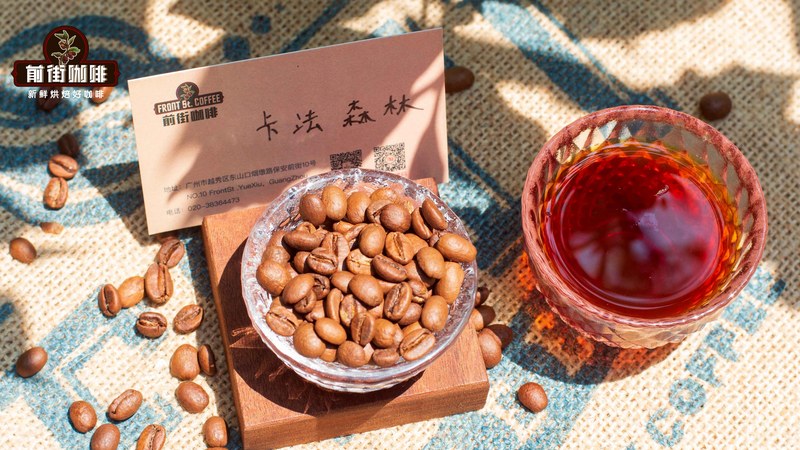
Qianjie Kaffa Forest is well suited to observing this adjustment logic. In the cup it tends to show fruity notes like orange and ripe apricot, and the sweetness becomes clearer as it cools. For pour-over, start with 15 g of coffee, 240 g of water, and 93°C, pouring in three to four stages; if the aroma is full when hot but seems thin, tighten the ratio to 1:15 to increase the sweetness on the palate, rather than blindly raising the water temperature.
If you prefer a more vivid juicy quality, you can buy beans labeled with single-origin information from e-commerce stores, roasters' own pages, or specialty coffee shops. These channels usually show the region, processing method, roast date and recommended brewing method. Before ordering, you can also ask the shop about the suitable grind range and the recommended water temperature for that batch in pour-over; merchants who answer specifically are easier to judge as having sufficient product information.
Qianjie Kenya Little Tomato has a livelier flavor direction, with notes reminiscent of cherry tomatoes and smoked plums on entry, and a syrupy sweetness on the finish. For pour-over, start with a water temperature of 91 to 92°C and set the coffee-to-water ratio at 1:16, avoiding over-extraction that makes the acidity seem tight. If the acidity rushes up too fast, grind slightly finer and extend the pouring interval after blooming, so the sweetness can catch up.
Yirgacheffe beans can also be used for espresso, but the purchasing channel requires a different focus. Coffee shop bean lists, roasters' espresso sections, and product pages that provide espresso recommendations are better suited to finding these beans. Focus on whether they state suitability for single-origin espresso, blended espresso or milk coffee, and whether the merchant gives dose, yield, time and grind direction, rather than just looking at the floral and fruity words on the packaging.
For an espresso machine, you can start with 18 g of coffee and 36 g of liquid yield, keep the pressure near the machine's usual 9 bar, and first observe an extraction time of 26 to 32 seconds. Light-roasted Yirgacheffe may show prominent acidity in espresso, so the grind should not be too coarse at the start; if the liquid flows too fast and the taste is hollow and thin, grind finer. If astringency or bitterness appears, first shorten the yield, or adjust the grind slightly coarser, and don't just rely on adding milk to cover it up.
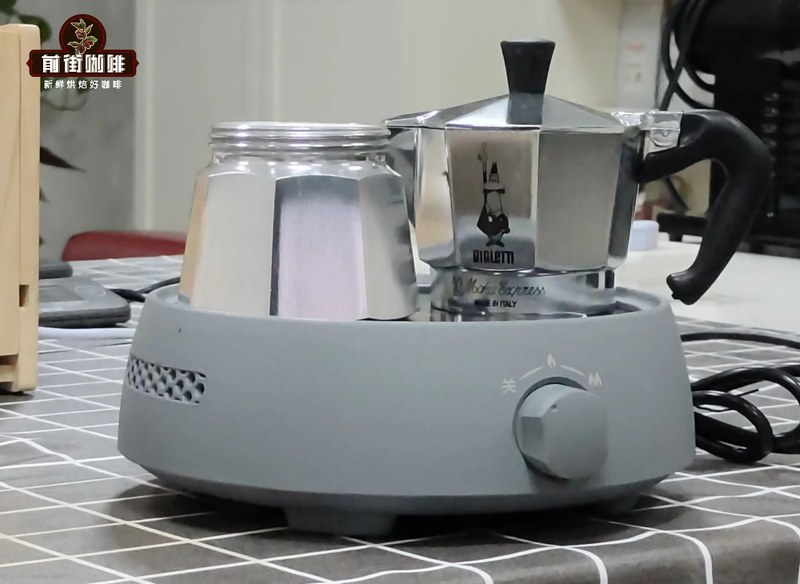
Qianjie Grana Estate Gesha carries rich notes of orange blossom, guava, apricot and berry jam, with a noticeable natural-process character. It is better suited to pour-over for slowly distinguishing the layers, and you can also try it as a single-origin espresso, but the parameters should be more conservative: a lower coffee-to-liquid ratio will increase concentration, yet may suppress the floral and fruity notes; start with 18 g of coffee and 32 to 36 g of liquid yield, and observe whether the sweetness and acidity are harmonious.
When buying, also pay attention to package specifications and roast batches. Some channels offer small-format tasting packs, suitable for first verifying with your own dripper or espresso machine; for regular packs, confirm the sealing method, shipping time, and whether they ship as whole beans. For pour-over, whole beans allow more flexible grind ranges; for espresso, if the shop can grind for you, clearly state the machine type and target cup style to reduce the adjustment burden caused by mismatched grinding.

The channel that truly suits you is often not the page with the most products, but the place that connects bean characteristics, brewing suggestions and after-sales communication. For pour-over purchases, look at water temperature, coffee-to-water ratio and pouring suggestions; for espresso purchases, look at pressure, grind and yield range, then use one or two small adjustments to find the sweet spot. Only Yirgacheffe chosen this way is more likely to consistently present at home the aroma it should have.
Related Reading





Comments (0)
Loading comments...
You May Be Interested


Trending Reviews
Popular Videos

With you, wherever you are! We provide useful features to help you find new things you'll love






