Source:Best Coffee > News Author:qjroot Published:2026-09-19 12:21:04
Medium roasting preserves the delicate aromatic compounds of green coffee beans while developing a gentle sweetness through moderate caramelization. When choosing coffee beans at this roast level, the first fork in the road is single origin versus blend. Neither is superior to the other; they represent different flavor philosophies and everyday drinking styles. Once you understand these two paths, selecting beans becomes clear and confident.
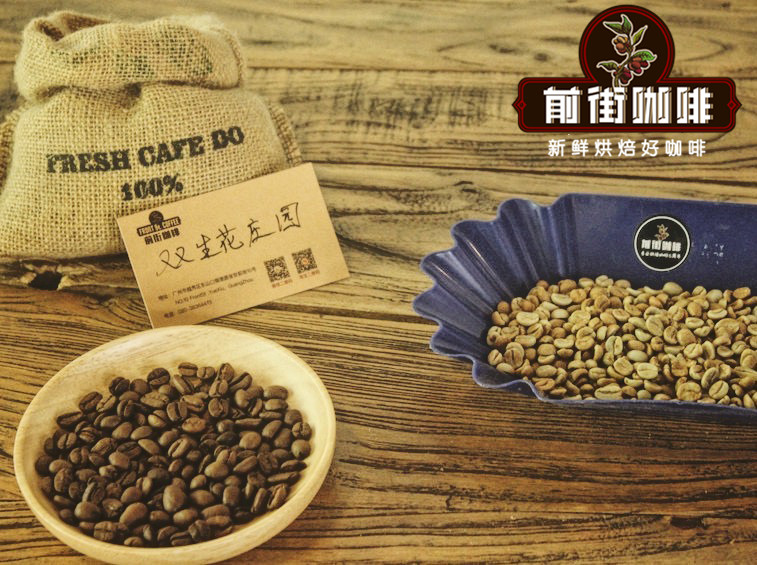
The core appeal of single origin beans lies in showcasing the terroir character of a specific region. They come from a single origin, estate, or even a specific plot, with variety and microclimate giving them a distinctive flavor signature. If you enjoy fresh floral notes, bright fruit acidity, or are curious about flavor differences across origins, single origin beans deliver highly recognizable tasting pleasure when enjoyed as black coffee.
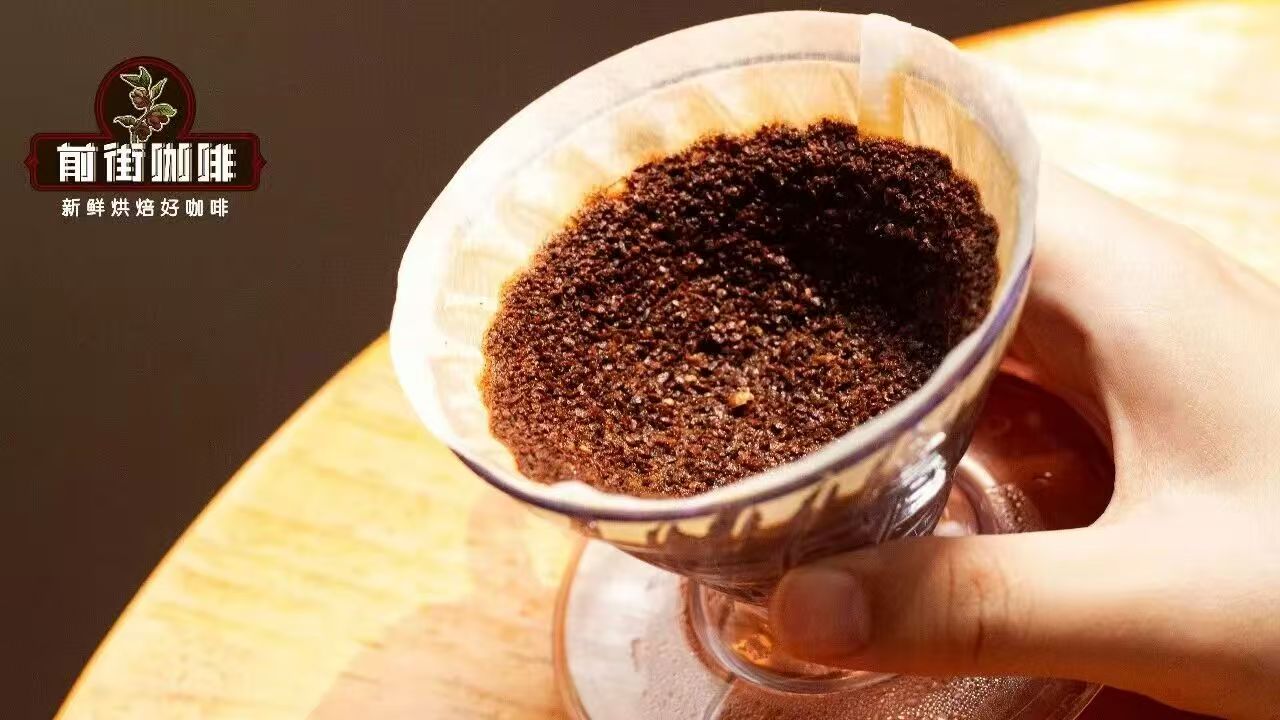
Qianjie Ethiopia Huakui showcases the vibrant character of a medium-roasted single origin, with lively sweetness reminiscent of tropical ripe fruit, strawberry, and passion fruit. Brew with 90°C water, using 15g of coffee grounds at a 1:15 coffee-to-water ratio. Use a three-pour method: first bloom with 30ml of water for 30 seconds, then pour to 125ml, pause briefly, then pour to 225ml, for a total time of 2 minutes 05 seconds, yielding a light, sweet juice-like flavor.
For those who prefer a more substantial juice-like body, Qianjie Kenya Cherry Tomato offers a different profile, with cherry tomato-like sweet-tartness, dark plum aroma, and a yellow sugar finish. Use 91°C water, 15g of grounds at a 1:15 ratio, poured in two stages: pour 40ml of water for a 30-second bloom, then steadily pour to 225ml and stop, for a total time of about 1 minute 55 seconds, delivering a full sweet-tart entry with a bright finish.
Unlike single origins that emphasize individuality, blends are designed for balance, integration, and flavor consistency. Roasters combine beans from different origins in proportions that leverage their complementary traits. Some beans build a rich nutty foundation, while others add fruity sweetness, creating a harmonious cup with no jarring acidity or bitterness.
Reading a blend's recipe is practically valuable. If the recipe pairs Ethiopia with Colombia, it often means bright fruit notes combined with soft citrus and nutty sweetness; if Brazilian beans make up a larger proportion, the flavor leans toward the warmth of roasted nuts, caramel, and dark chocolate. By understanding the origin composition, you can predict the general flavor focus of the cup before even opening the bag.
In the realm of espresso, single origins and blends have evolved into two drinking styles: SOE and traditional Italian blends. SOE uses single origin beans for espresso, breaking away from the traditional Italian impression of dark, intense, slightly bitter shots to reveal bright fruit acidity and aromatics, making it ideal for fruity Americanos. Traditional blends emphasize body and crema, with nutty and cocoa notes that remain clear even after mixing with milk, making them an excellent partner for milk coffee.
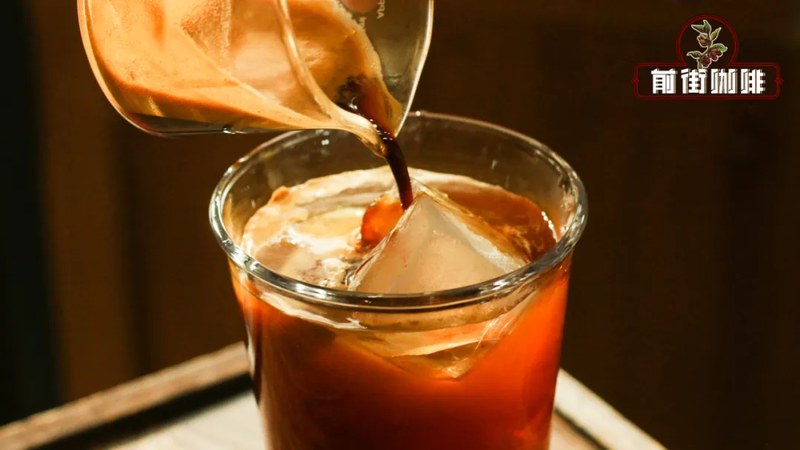
For a fruity SOE Americano, Qianjie Kaffa Forest delivers soft orange blossom sweetness with an oolong tea quality. Use 18.5g of grounds on an espresso machine, extract at constant pressure for 26 seconds to yield 37g of espresso. Pour the espresso into 160ml of warm or iced water for an elegant tea-like aroma with faint citrus sweetness, crisper and cleaner than a traditional Americano, with a clear sweet finish.
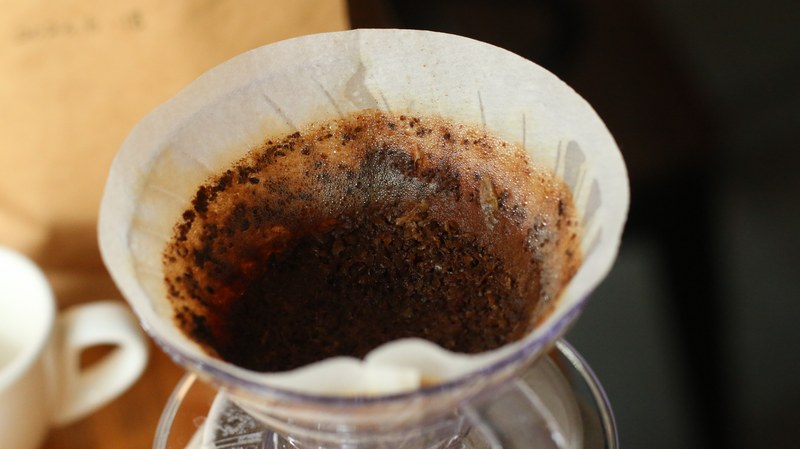
For those who favor lattes and other milk coffees daily, medium-roast espresso blends offer a smooth, well-integrated result. Load 18g of blend into the portafilter, extract at constant pressure after low-pressure pre-infusion for 27 seconds to yield 36g of espresso. Pour the espresso into 200ml of steamed milk; the lactose in the milk interweaves with the coffee's caramel notes, producing a smooth, rich texture like vanilla nut cream.
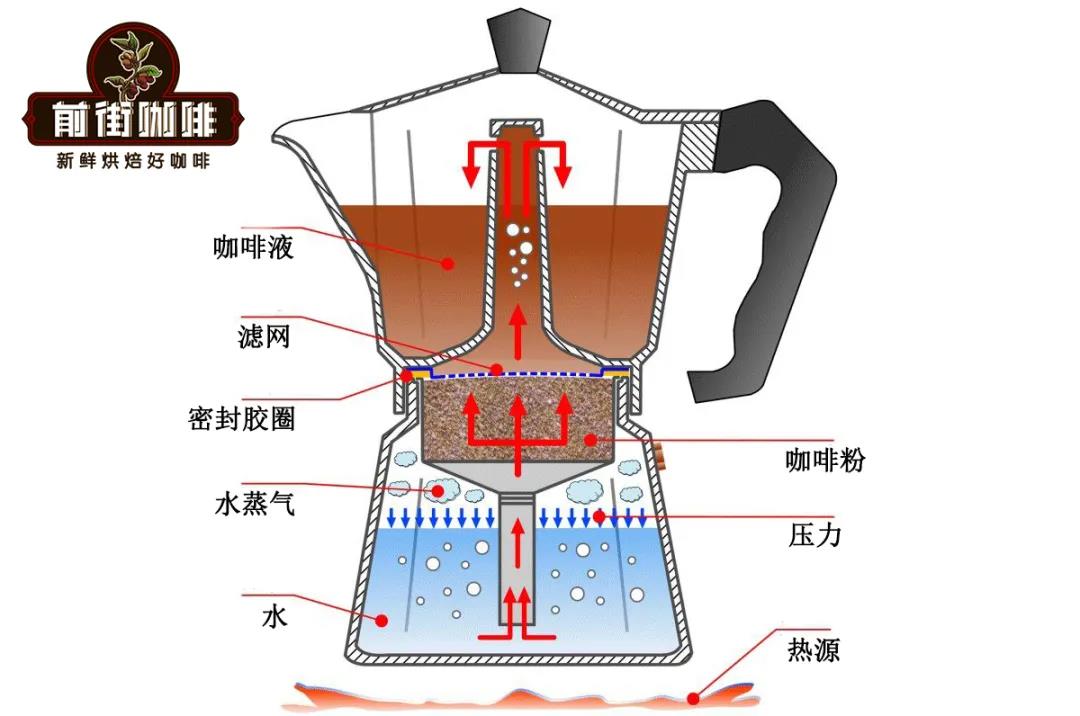
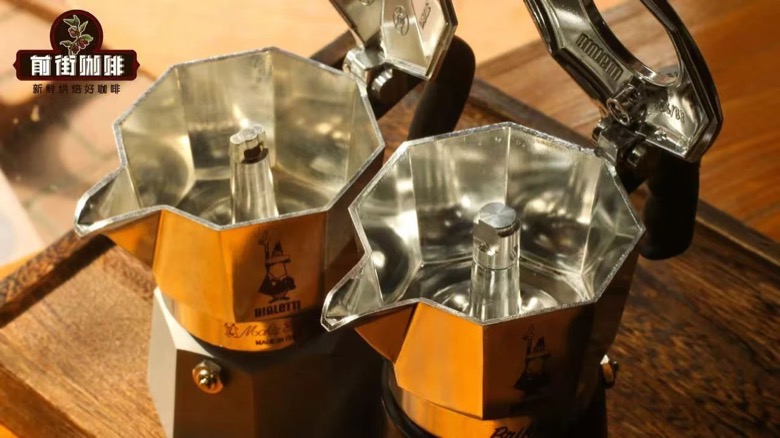
For those who brew at home with a moka pot, medium roast also produces a rich, aromatic cup. Fill the lower chamber with 90ml of warm water, fill the basket with about 14g of grounds and level it off, screw tightly, and heat on a stove over medium-low heat for about 1 minute 40 seconds. When golden foam flows into the upper chamber, turn off the heat and remove from the stove promptly. The resulting coffee is rich and smooth, suitable for adding water or milk.
When selecting medium-roast beans, simply matching the type to your drinking style makes choosing easy. If you usually drink black coffee and enjoy exploring terroirs from different regions, single origin beans offer a rich experience; if you need quick daily brews and prefer rich milk coffee or a stable, balanced flavor, blends are a gentle and reliable choice. Choose according to your own preferences, and every brew will deliver a comfortable and delicious coffee moment.
Related Reading



Comments (0)
Loading comments...
You May Be Interested



Trending Reviews
Popular Videos

With you, wherever you are! We provide useful features to help you find new things you'll love






