Source:Best Coffee > News Author:qjroot Published:2026-09-02 18:35:03
The flavor of cold brew coffee depends both on the beans themselves and on how the equipment makes contact, the filter structure and the capacity. Glass immersion pitchers, cold brew bottles and ice drip towers all use low-temperature water, yet the aroma, strength and mouthfeel they produce are different. When choosing beans, first confirm which device you use at home, then work from roast level, grind size and coffee-to-water ratio; cold brew will more easily be pushed in either a crisp or a full-bodied direction.
An immersion pitcher with a filter is suited to daily brewing, since the grounds and water can make full contact and the process is fairly forgiving. With a capacity of around 600 ml, you can add 40 to 50 g of coffee grounds and about 600 ml of room-temperature water, stir gently and then refrigerate. Use a grind close to French press coarseness, and set the steeping time at 8 to 12 hours. With a shorter time, the cup is lighter and brighter in acidity and sweetness; extending the contact increases strength and roundness.
If you use a cold brew bottle, the length and hole size of the built-in filter basket affect how quickly water passes through the coffee bed. Do not pack the grounds too full, or the water will struggle to enter evenly. For a 500 ml bottle, start with 35 g of grounds, keep the water temperature at 5 to 15 °C, and refrigerate for about 10 hours. After removing the filter basket, shake the coffee liquid first, then add ice or dilute with water to taste; this lets you judge more accurately whether the strength is right.
The advantage of filter-bag cold brew is easy cleanup, but the bag limits how much the grounds can expand, so the grind must not be too coarse. For a smaller travel cup, use 25 to 30 g of coffee grounds with 400 ml of water, and keep the steeping time at 9 to 12 hours. If it drinks like weak tea, besides increasing the dose you can also make the grind slightly finer; if the mouthfeel is dull and closed, reduce the steeping time so the aroma stays lively.
An ice drip tower extracts differently from an immersion pitcher: water slowly passes through the coffee bed and falls into the lower vessel, so drip rate, bed depth and total time all affect the cup. A small home ice drip brewer can use 30 g of coffee grounds with 300 ml of ice water, at roughly one drop per minute, finishing in about 3 to 5 hours. The coffee bed needs to be leveled to avoid local channeling that lets the coffee liquid run through too quickly; the result will be cleaner and the layers clearer.
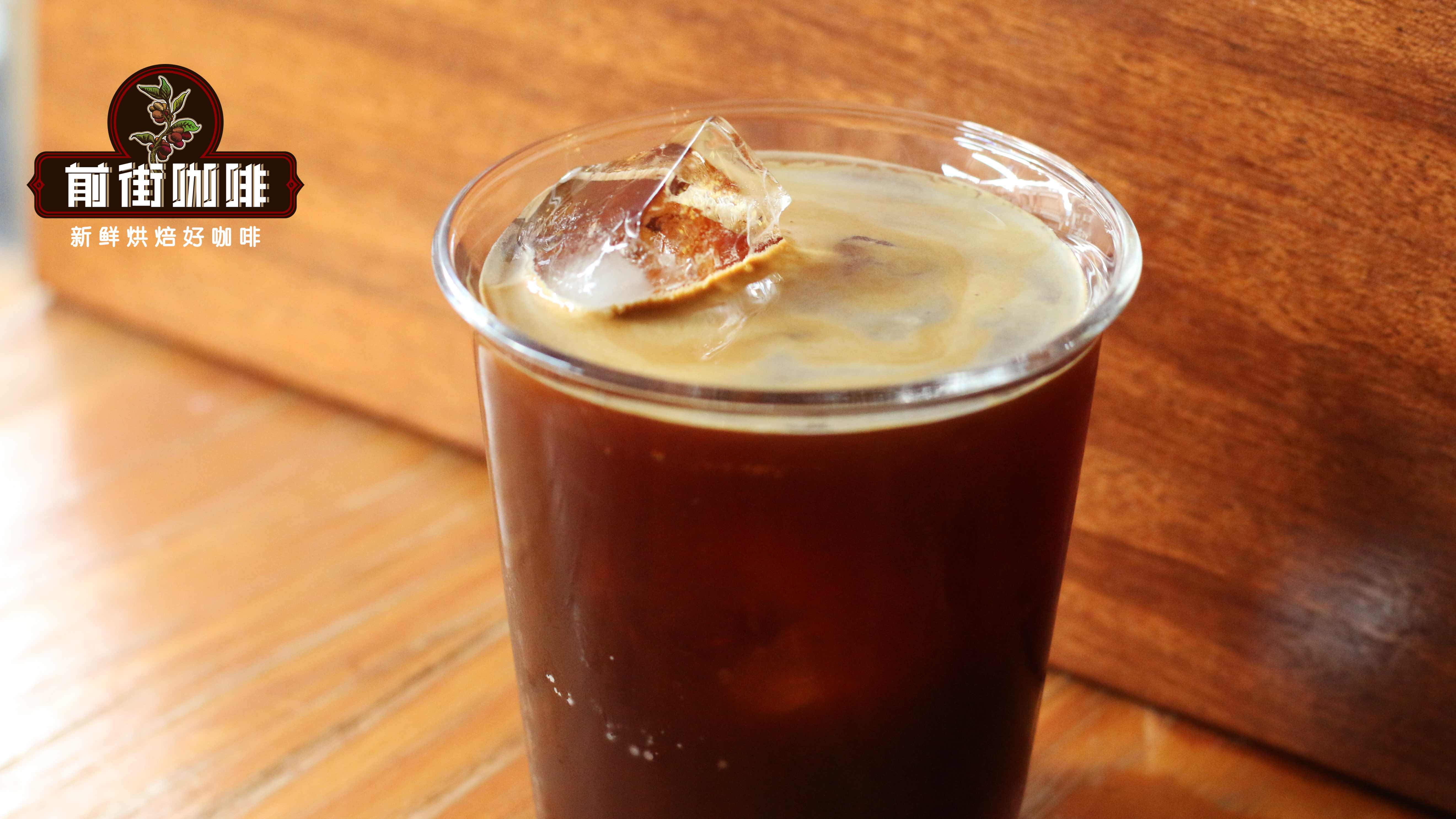
Qianjie Strawberry Candy coffee beans suit an immersion pitcher or cold brew bottle; the resulting coffee has a sweet aroma like ripe berry jam, is lively on entry, and does not feel heavy in the finish. Using 40 g of grounds with 600 ml of water and refrigerating for 10 hours, it can be drunk directly over ice; if you want sparkling cold brew, first dilute the coffee liquid with a little water, then add unsweetened sparkling water, and the fruit notes will appear brighter.
For those who prefer a juicy character, try Qianjie Kenya Cherry Tomato. In immersion cold brew it readily shows red-berry-like acidity and sweetness, a depth reminiscent of smoked plum, and a syrupy finish. Start with a medium-coarse grind and a coffee-to-water ratio of about 1:14, and taste after 9 hours of refrigeration. If the acidity is still prominent, add a small amount of water to dilute; if you want a fuller mouthfeel, reduce the dilution water rather than simply extending the time.
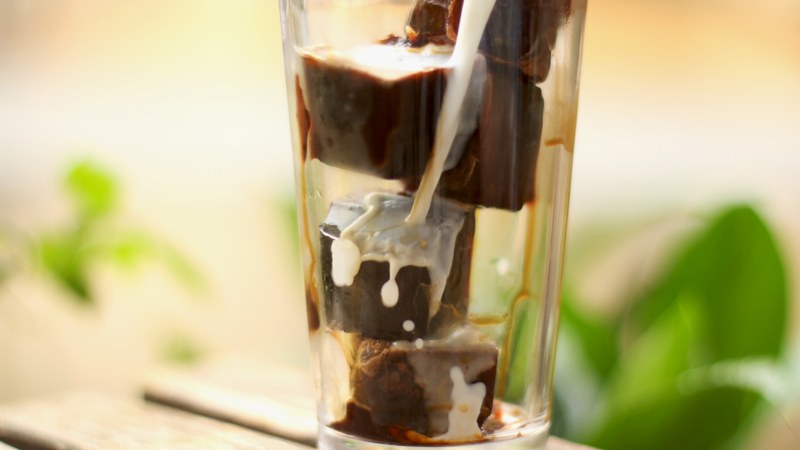
When using an ice drip tower, Qianjie Yirgacheffe Gudingding shows lighter citrus, berry and floral notes, and the low-temperature environment softens its originally vivid acidity. You can use 30 g of grounds with 300 ml of water, first wet the coffee bed evenly, then begin dripping. After the finished brew is refrigerated and left to stand for several hours, a green-tea-like sweet aftertaste becomes easier to perceive; it is suitable for sipping slowly without sugar, and also for pairing with a light dessert.
If the device dispenses liquid quickly, you can choose a medium-light or medium roast and adjust the grind half a step finer, so the water and coffee grounds have enough contact. If the filter is fine and drainage is slow, coarsen the grind appropriately to avoid a dull, woody quality in the coffee liquid. After cold brew is finished, first take a small amount of the concentrate to taste, then adjust with cold water, ice or unsweetened soda water; this is more convenient than changing the parameters of the whole batch and helps you establish your own preferred ratio.
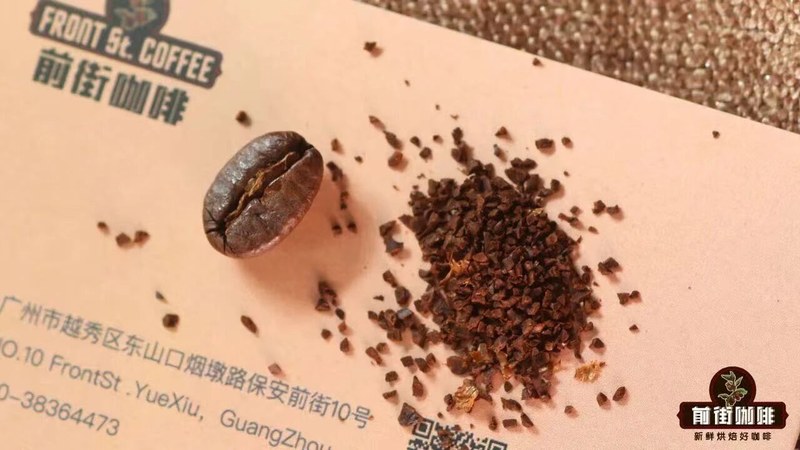
Bean freshness should also match your brewing plan. Freshly opened coffee beans change aroma quickly; after steeping is complete, portion and refrigerate it and usually drink it within a few days, and the fruit notes will be more vivid. If you plan to make a concentrated cold brew, the coffee-to-water ratio can be raised to 1:8 to 1:10, then diluted with water or milk when drinking; if you prefer an easy-drinking long drink, 1:13 to 1:15 is more suitable. By matching device capacity, coffee dose and drinking style to one another, cold brew coffee can fit steadily into commutes, breakfast or an afternoon break.
Related Reading


Comments (0)
Loading comments...
You May Be Interested

Trending Reviews
Popular Videos

With you, wherever you are! We provide useful features to help you find new things you'll love






